Which language should you use in Brussels, and when does it matter?
Default to French in most of Brussels, since it is the dominant home language across the region. Switch to Dutch in a handful of neighborhoods, and use English as a practical fallback almost everywhere. It matters most with commune administration, the police, and emergency services, where the choice carries legal weight, not just courtesy.
Why is Brussels officially bilingual?
Belgium has three official languages: Dutch, French, and German, assigned by region under the country’s federal structure, as Belgium’s federal government portal sets out. Flanders speaks Dutch. Wallonia is mostly French-speaking, with a German-speaking area near the eastern border. Brussels is the exception.
The Brussels-Capital Region is bilingual by statute, French and Dutch, across all nineteen of its communes. That status covers government offices, courts, official signage, and public transport announcements. Street signs show both names together — Grand-Place / Grote Markt, Bruxelles-Midi / Brussel-Zuid — and neither is the “real” one. The law does not cover shopkeepers, waiters, or the stranger next to you on the tram. Private life sorts itself out by neighborhood, not by decree.
Where does each language actually dominate?
French is the majority home language across the region, by a wide margin. Dutch is a minority language in daily speech, though it keeps institutional weight. Flemish-community schools, cultural centers, and broadcasting all operate in Brussels regardless of who lives nearby. The Vrije Universiteit Brussel tracks the shift through its periodic language-use survey, known as the Taalbarometer. Its broad finding across several editions has stayed consistent: French dominant, Dutch a shrinking minority in home use, and English and other languages rising fastest among younger and international residents.
Some corners of the city read differently. Rue Antoine Dansaert / Antoine Dansaertstraat, near the canal, has a visible Flemish cultural presence. The KVS, the city’s Flemish-language theatre, anchors one end of it, and the Flemish cultural center de Markten sits nearby. Saint-Gilles / Sint-Gillis is heavily French-speaking in daily life, shaped by decades of migration from Southern Europe and North Africa. Etterbeek is French-dominant too, but its edge borders the European Quarter, which pulls in more English as a working language of nearby EU institutions.
The decision rule: what to open with, in seven situations
The choice rarely affects whether someone understands you. It affects tone. Guessing right signals a small amount of homework done. Guessing wrong is usually not a problem — it just costs the warmer version of the exchange.
- Asking a Bruxellois shopkeeper for directions: open in French. It is the safer bet across the historic center, and staff in tourist-facing shops switch to English within a sentence if needed.
- Ordering in a Flemish-run cafe near Dansaert: a Dutch opening line is noticed and appreciated, given the area’s Flemish institutions. Staff there are almost always comfortable in French too, so nothing is lost by guessing wrong.
- Dealing with commune administration (registering an address, collecting a permit): pick French or Dutch, not English. Belgian language legislation requires public administration in Brussels to answer in whichever of the two official languages a resident uses. That duty does not extend to English.
- Calling an ambulance or the emergency number, 112: dispatch is set up to work across Belgium’s official languages, and the European Commission’s own information on the single European emergency number confirms 112 is meant to work the same way region to region. Keep sentences short regardless of language: name, location, problem.
- Talking to an Uber or taxi driver: there is no dominant-language rule worth guessing at. Brussels’ driver pool is genuinely international. A clear address matters more than the language it arrives in.
- Addressing police: the same statutory duty applies as with other public bodies in the region — French or Dutch, answered in kind. Keep it formal and factual either way.
- Greeting a bar in Saint-Gilles versus Etterbeek: French works as the default opener in both. Etterbeek’s proximity to EU institutions makes an English fallback slightly more common there. Dutch is not the practical entry point in either commune.
What actually happens if you guess wrong?
Usually nothing. Brussels residents code-switch constantly, often mid-sentence. A shopkeeper addressed in the “wrong” language typically just answers in the other one, or in English, without comment.
Where it gets sharper is political, not personal. The French/Dutch balance is a live constitutional question in Belgium, tied to decades of federal negotiation over language, territory, and funding. That history matters. But it rarely surfaces in a five-minute transaction at a counter, and nobody owes a visitor buying a train ticket an opinion on it.
Does English cover the gap?
Largely, yes, in restaurants, museums, hotels, and most retail — but not by legal right. English has no official status in Brussels. Government forms, court proceedings, and the language duty owed by police and commune staff stop at French and Dutch. Anything more than sightseeing — an address change, a lost-passport report, a formal complaint — is likely to be handled in one of the two official languages, not English.
For museums specifically, front-desk and gallery staff are typically multilingual as a matter of practice rather than law. The site’s Museums & Galleries archive covers what a given collection holds, and the guide to which Brussels museums are free, and on which days lays out the durable free-entry pattern that runs alongside these language questions rather than instead of them.
How this intersects with the city’s closing days
Language questions tend to surface exactly when an office or counter is open, and that is its own separate puzzle in Brussels. Commune administration runs a weekday, business-hours pattern, with none of the flexibility of shops. Most museums close on Monday; the site’s guide to what shuts in Brussels on Monday lays that out. Most shops close on Sunday, covered in the companion piece on what stays open in Brussels on a Sunday. Neither pattern depends on which language a reader speaks. Both decide whether there is a counter to speak it at.
For the wider logistics of a visit — transport, timing, how rules shift commune by commune — the Planning & Practicalities archive collects that ground. How this site sources and checks that kind of detail is set out on its own about page.
Access Brussels is an independent guide written from published, checkable sources. We have not visited the places described here and we do not publish personal recommendations or invented ‘local favorites’ — where something is singled out as notable, we say who says so. Opening times, fares, closures and prices change at short notice, so treat everything here as a starting point and confirm with the museum, operator or venue directly before building a day around it. We give no advice on visas, insurance, health or safety; use your own government’s official guidance for those.
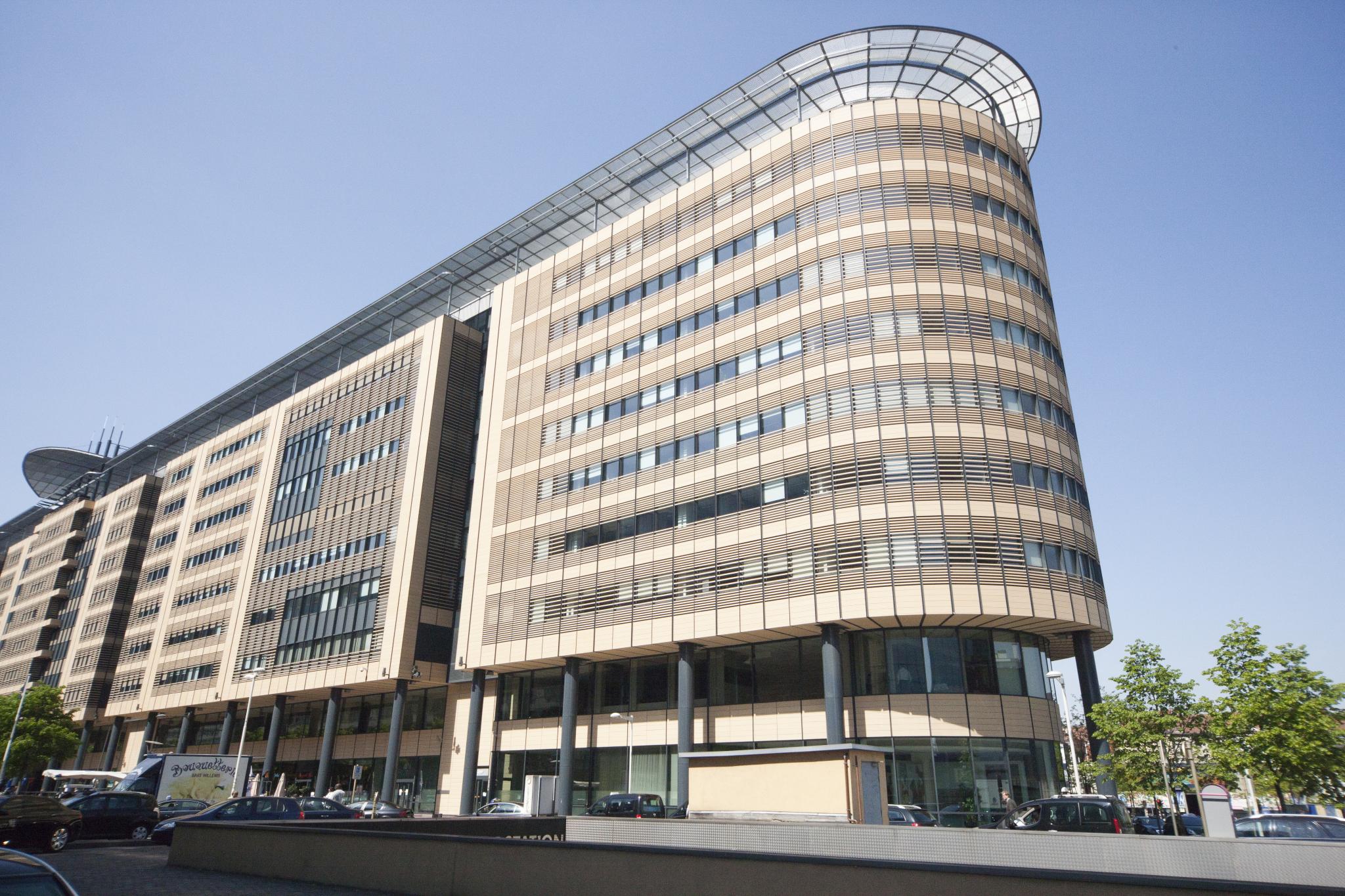
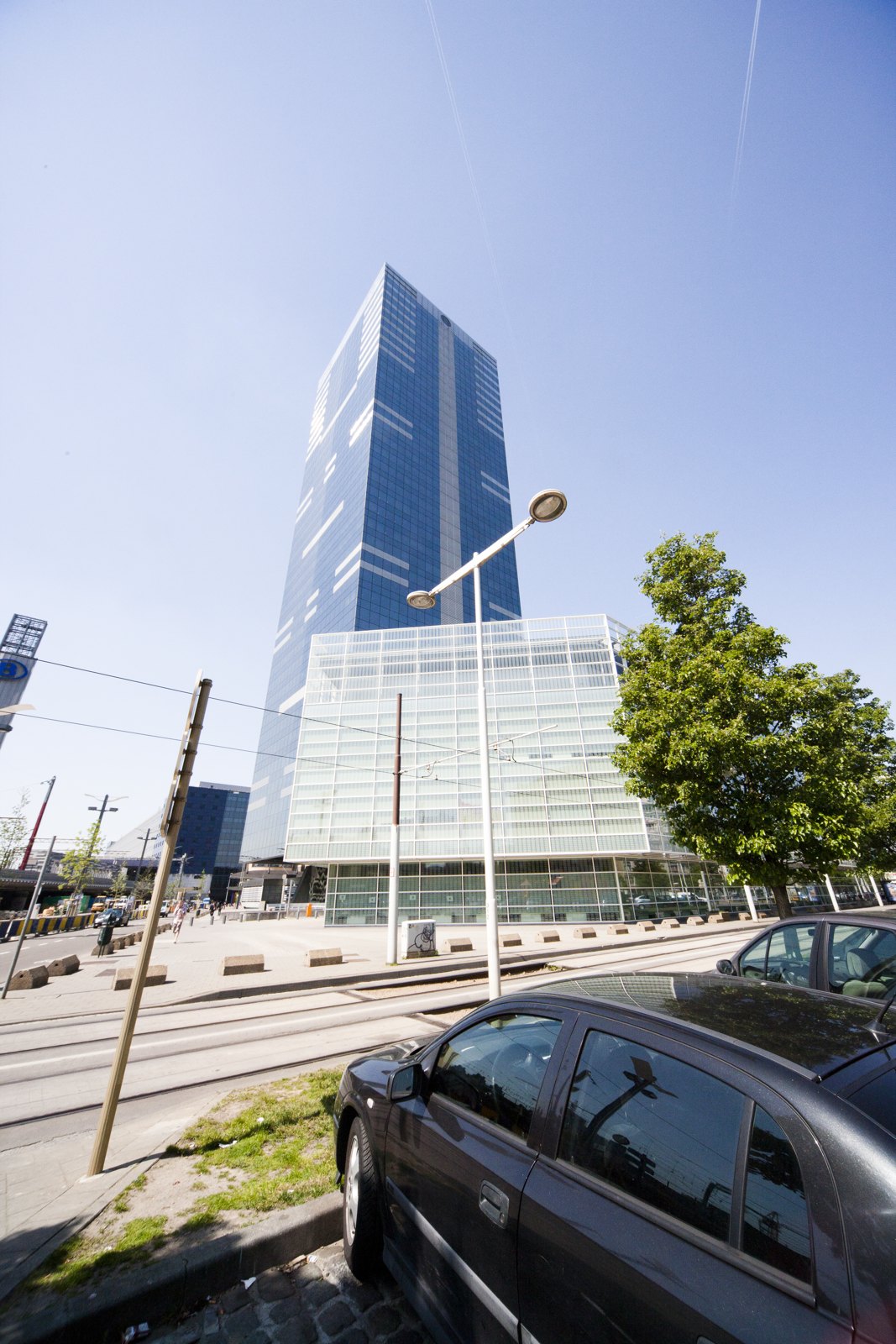
Featured image: Photo by William Murphy from Dublin, Ireland, source, BY-SA