Landmarks & Sights
Sites & monuments · Bezienswaardigheden
The Grand-Place, the Atomium and the Art Nouveau — what is free, what is ticketed, and which famous one disappoints.

We write about sights as practical questions — what costs money, what is free, which entrance, and when the crowd arrives — rather than as history you can read anywhere.
Brussels' rule is unusual: the free half is the good half. The squares, the arcades, the parks, the murals and the flea market cost nothing, and several of the museums cost nothing either — the European ones by policy, the palace for six weeks a year. What you pay for is a short list.
And the corollary, which is the most useful sentence on this site: the single most photographed object in the city is the one that disappoints. Plan around that rather than into it.
Free, and worth the walk
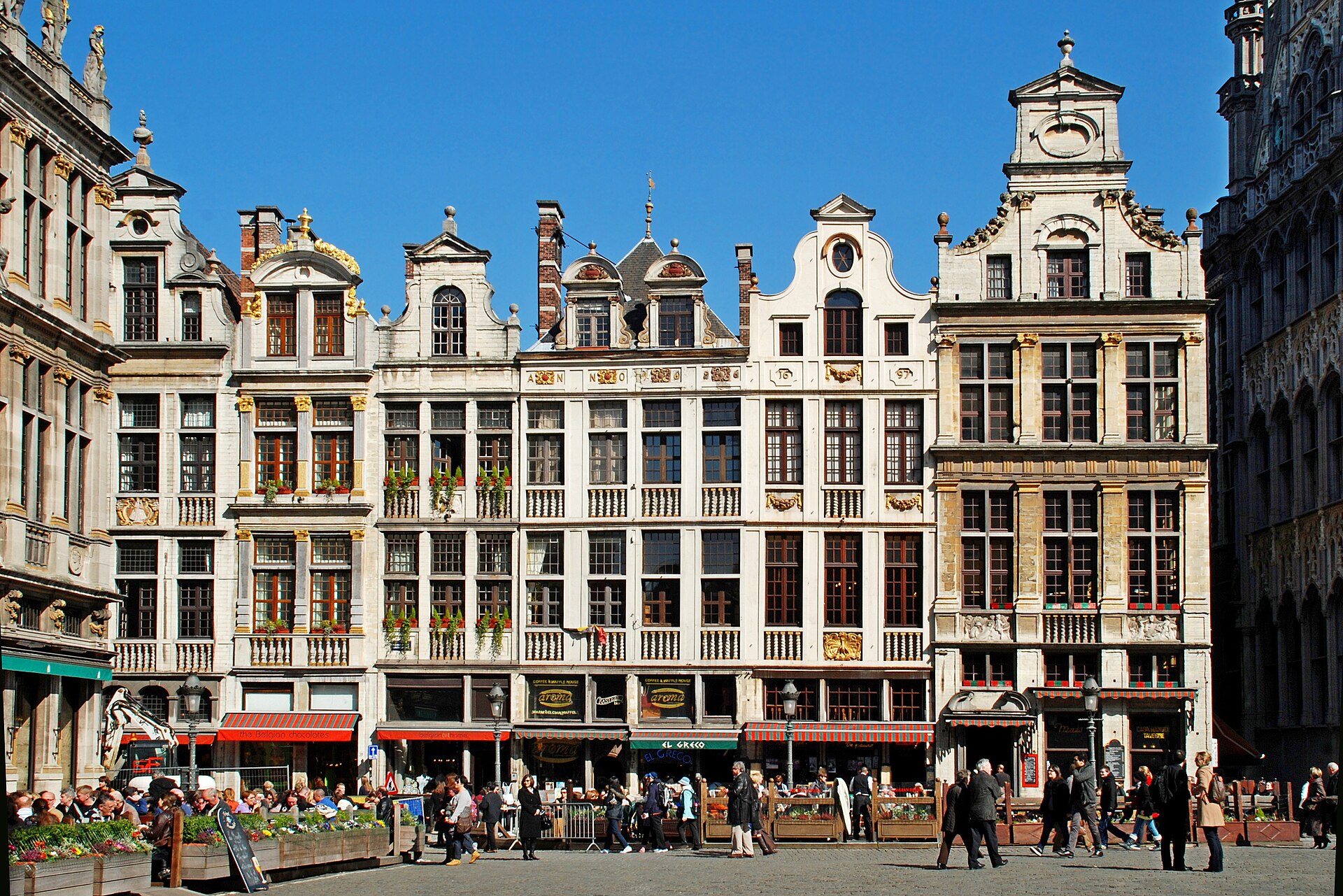
The Grand-PlaceCentre, City of BrusselsA square that is free at every hour and is genuinely better at night, when the guild houses are lit and the day crowd has gone.
Photograph by EmDee, Wikimedia Commons, CC BY-SA 3.0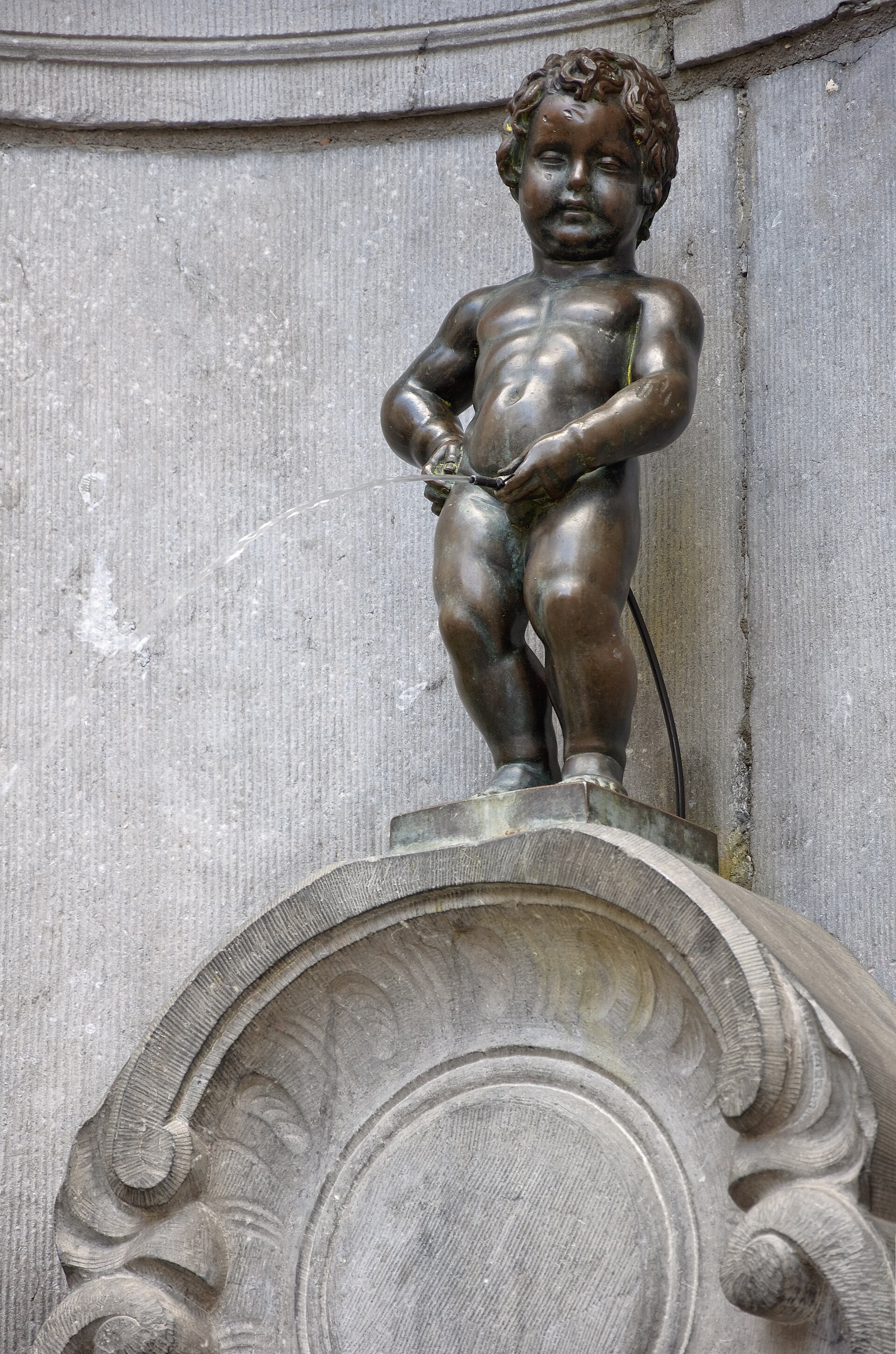 Manneken PisTwo minutes from the Grand-Place
Free, sixty-one centimetres tall, and the most reliably disappointing sight in Europe — which is worth knowing before you plan a morning around it.
Photograph by Myrabella, Wikimedia Commons, CC BY-SA 3.0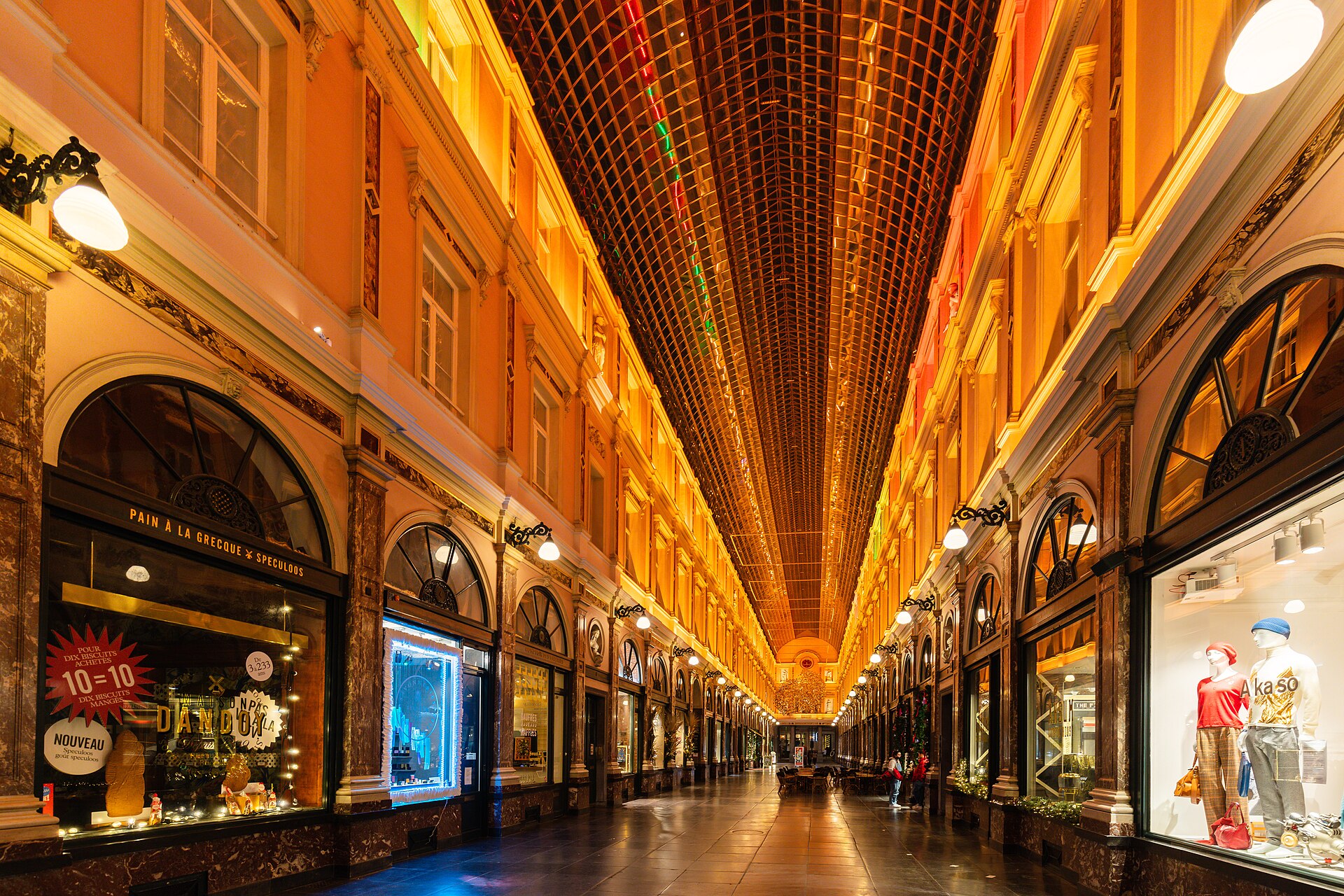 Galeries Royales Saint-HubertBetween the Grand-Place and the cathedral
A glass-roofed shopping arcade from 1847 — free to walk through, and one of the oldest of its kind anywhere.
Photograph by Diego Delso, Wikimedia Commons, CC BY-SA 4.0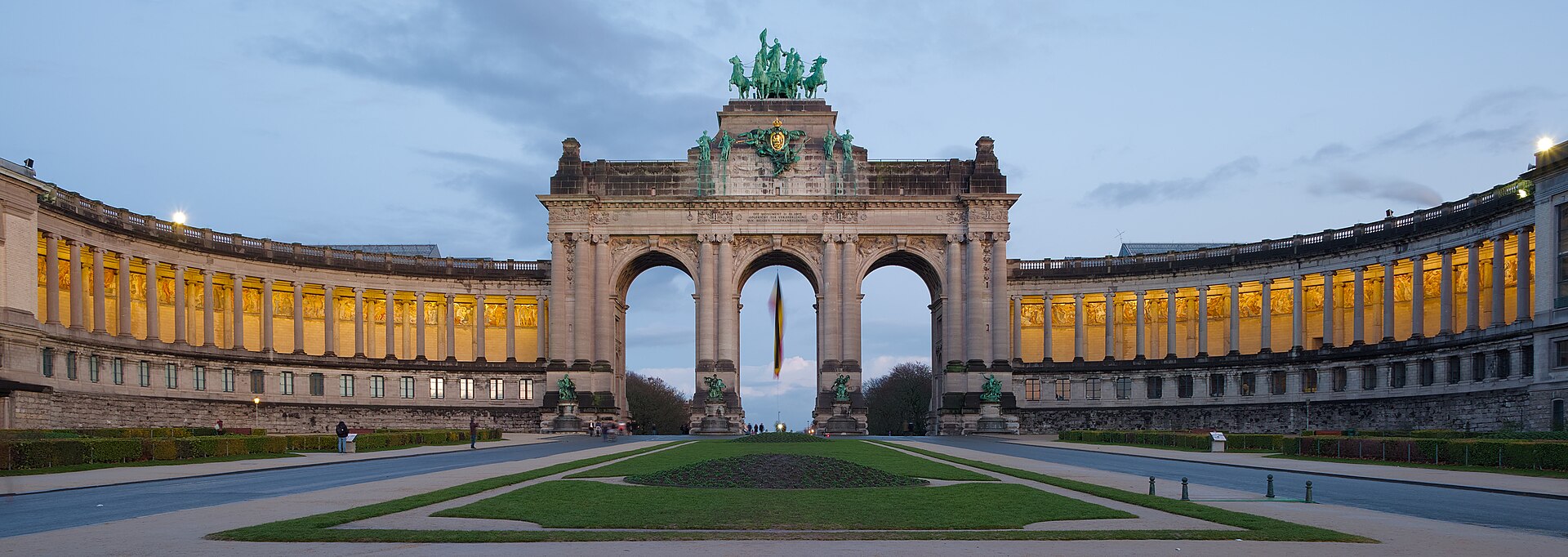 The CinquantenaireEtterbeek, by the European Quarter
A triumphal arch in a public park, free to walk under, with three separate museums behind it.
Photograph by Trougnouf (Benoit Brummer), Wikimedia Commons, CC BY 4.0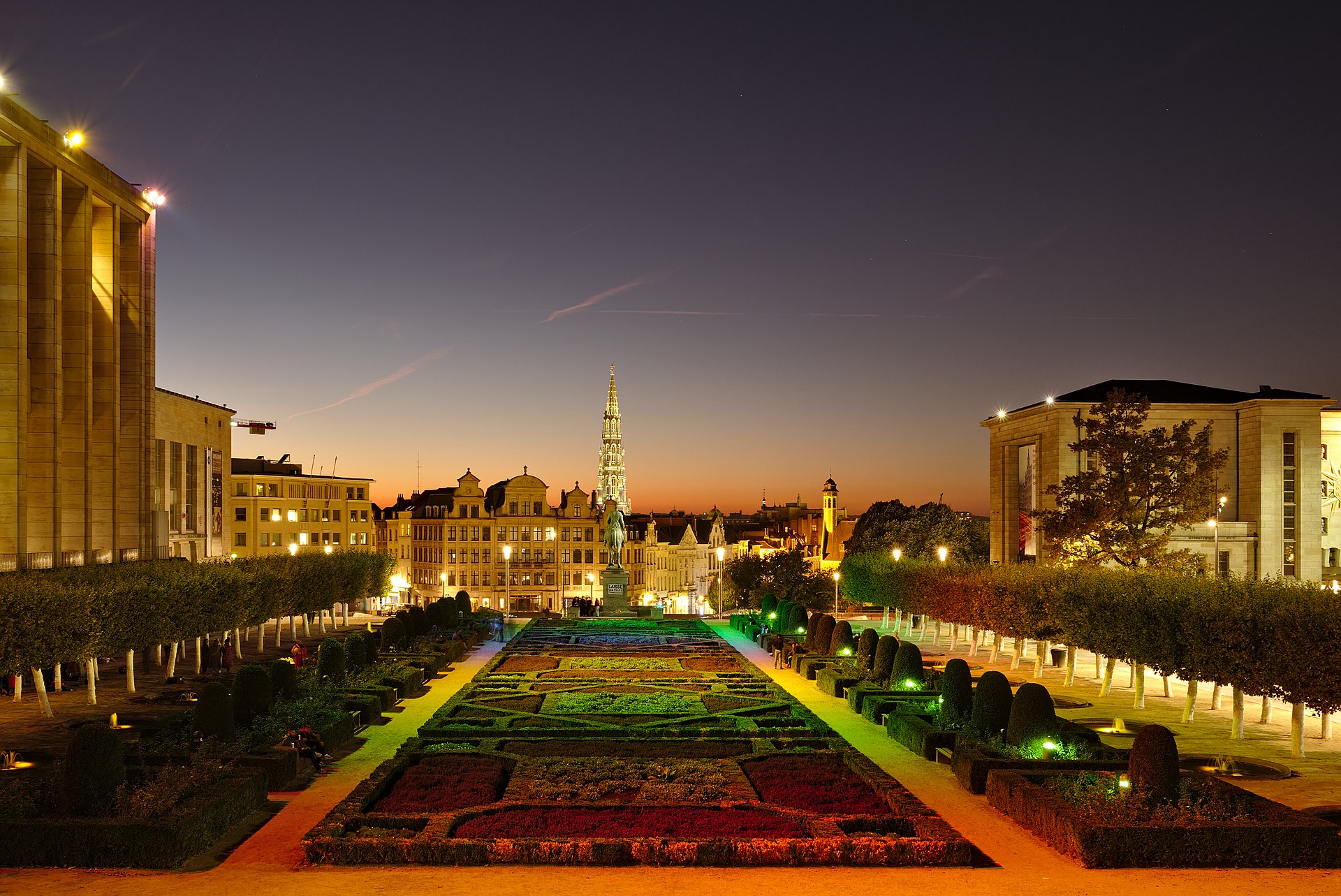 The Mont des ArtsBetween the upper and lower city
A formal garden on a slope with the best free view in central Brussels, and the museums stacked around it.
Photograph by Trougnouf (Benoit Brummer), Wikimedia Commons, CC BY 4.0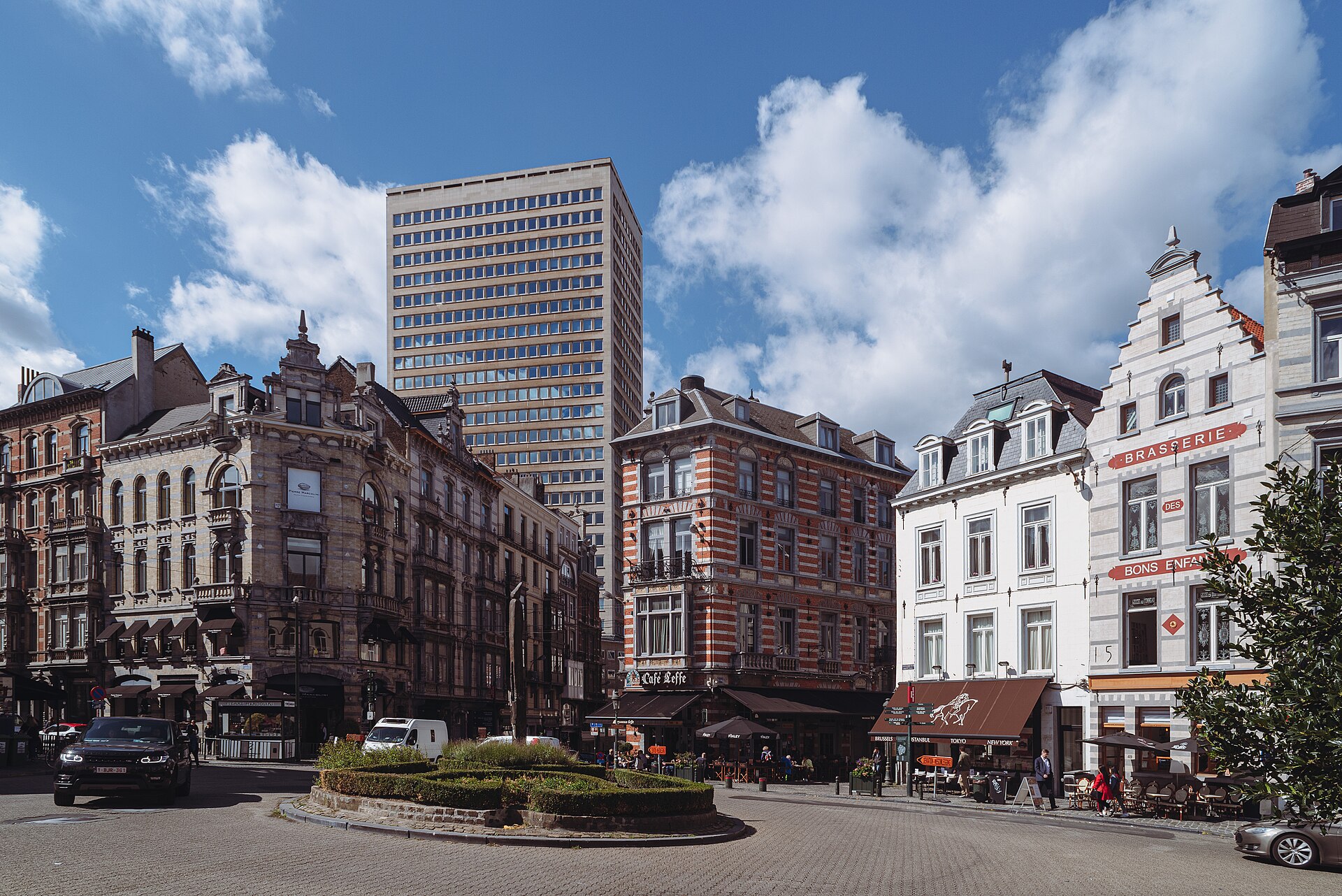 The SablonUpper city, between Louise and the centre
Two squares — one full of antique dealers and chocolate, the other a quiet garden — and both free.
Photograph by Flocci Nivis, Wikimedia Commons, CC BY 4.0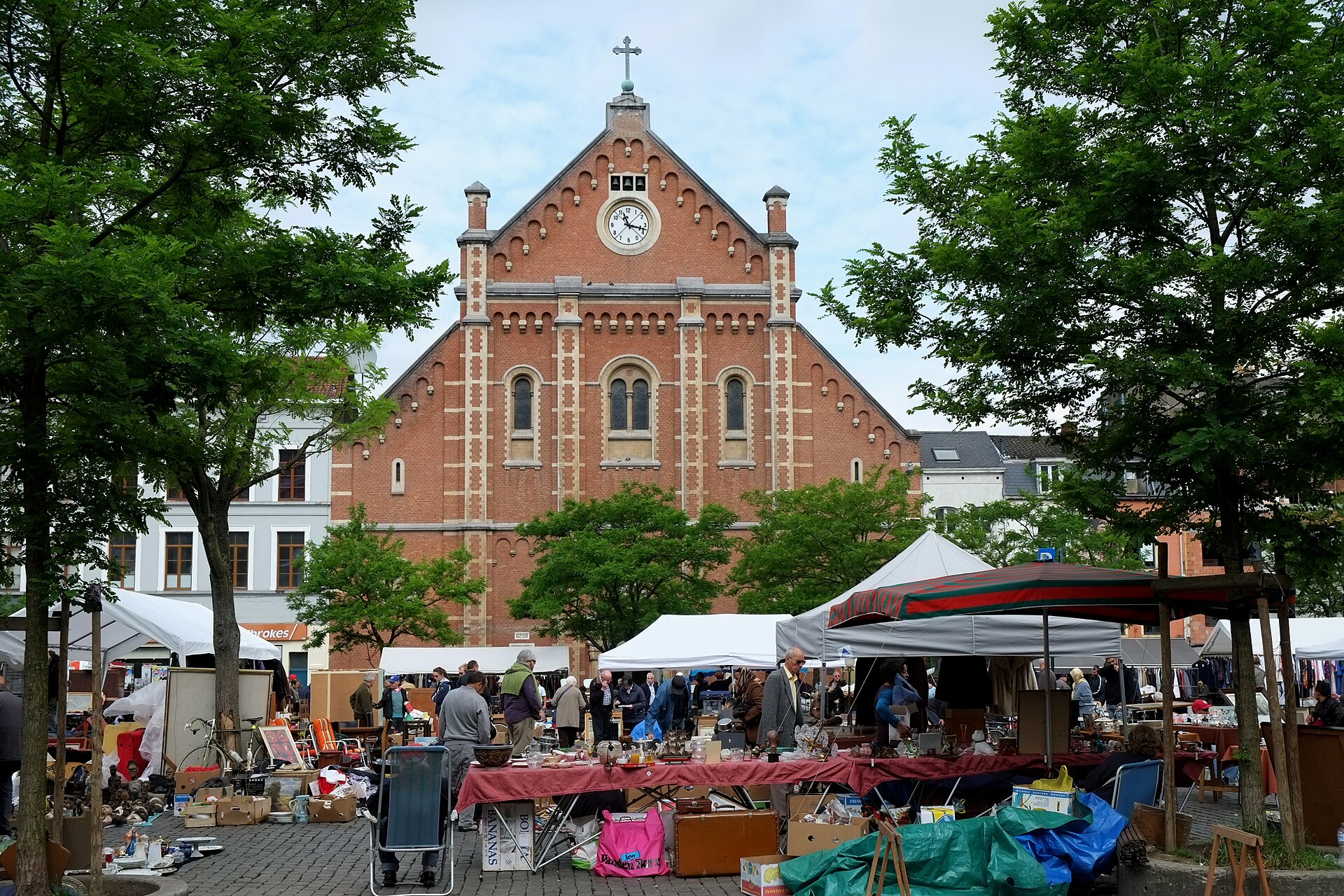 The Marolles and the Jeu de BalleLower city, below the Palace of Justice
A working-class quarter with a flea market that runs every single morning of the year — free, early, and the least polished thing in central Brussels.
Photograph by Patrick Despoix, Wikimedia Commons, CC BY-SA 4.0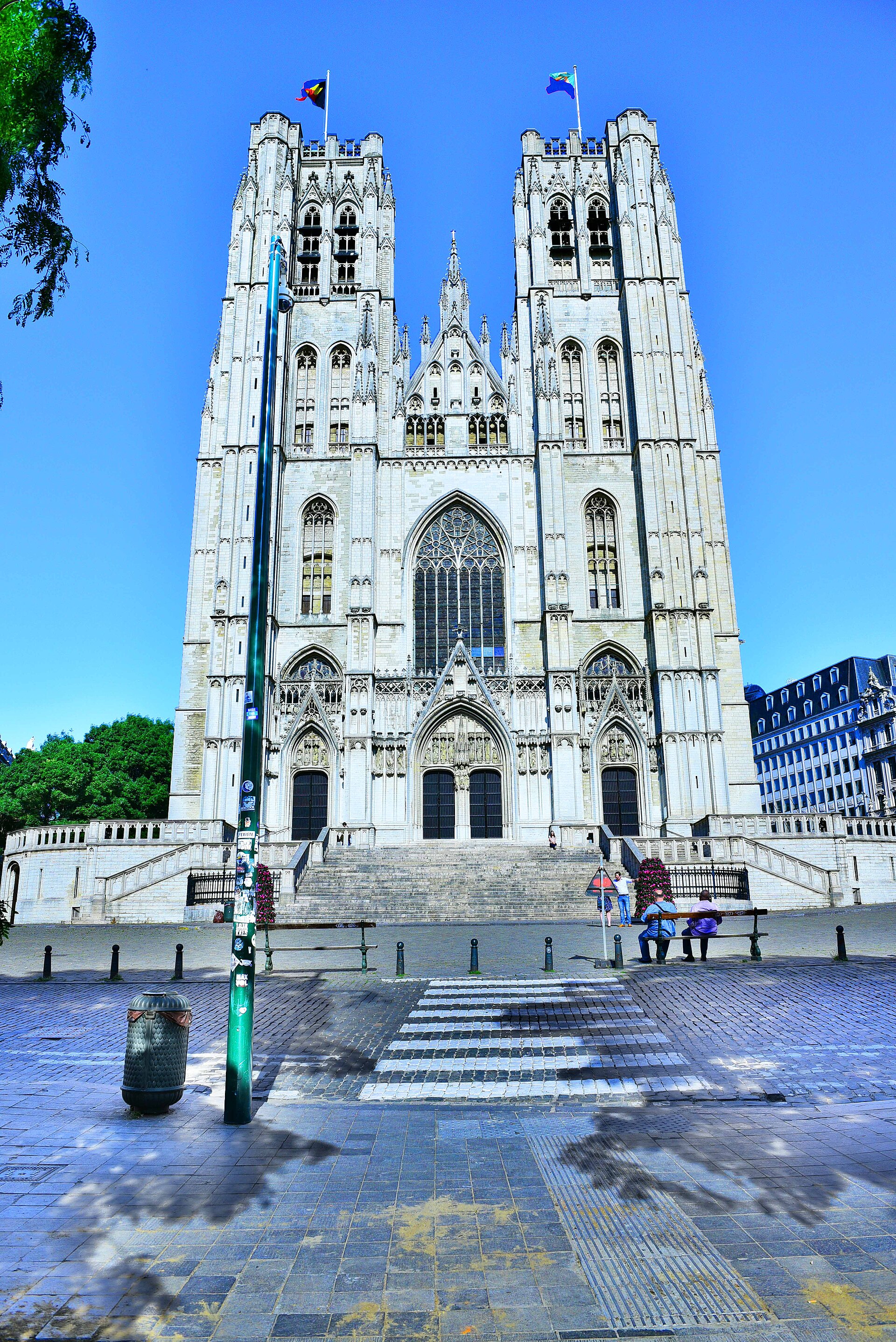 St Michael and St GudulaBetween the upper and lower city
The national cathedral, free to enter, and the quietest large interior in central Brussels.
Photograph by Edison McCullen, Wikimedia Commons, CC BY-SA 4.0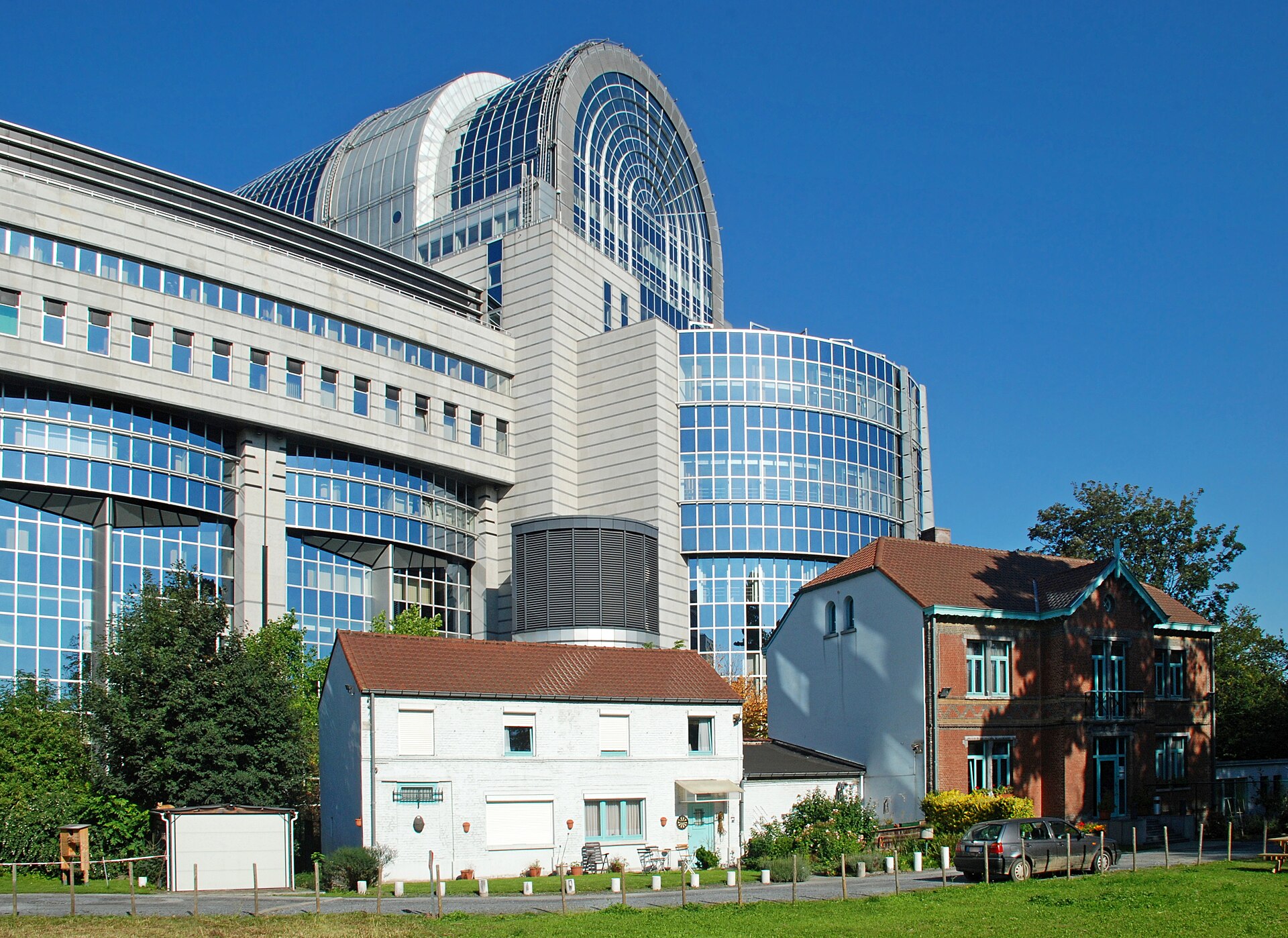 The European QuarterSchuman, east of the centre
Where the EU actually works — free to walk into, free to visit, and much stranger than its reputation.
Photograph by EmDee, Wikimedia Commons, CC BY-SA 4.0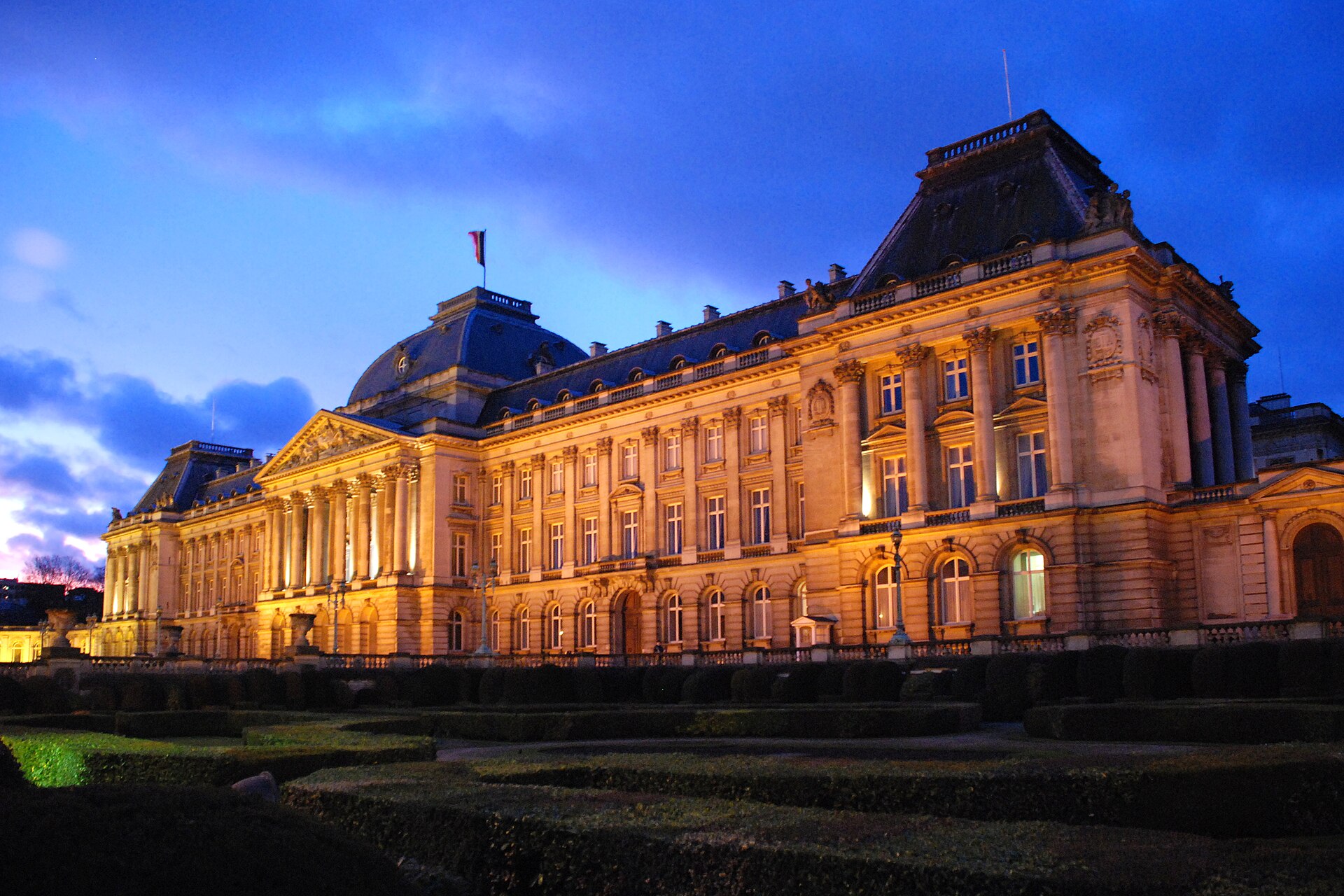 The Royal Palace and the ParkUpper city
The park is free all year; the palace is free too, but only for about six weeks in summer.
Photograph by EmDee, Wikimedia Commons, CC BY-SA 3.0Worth paying for
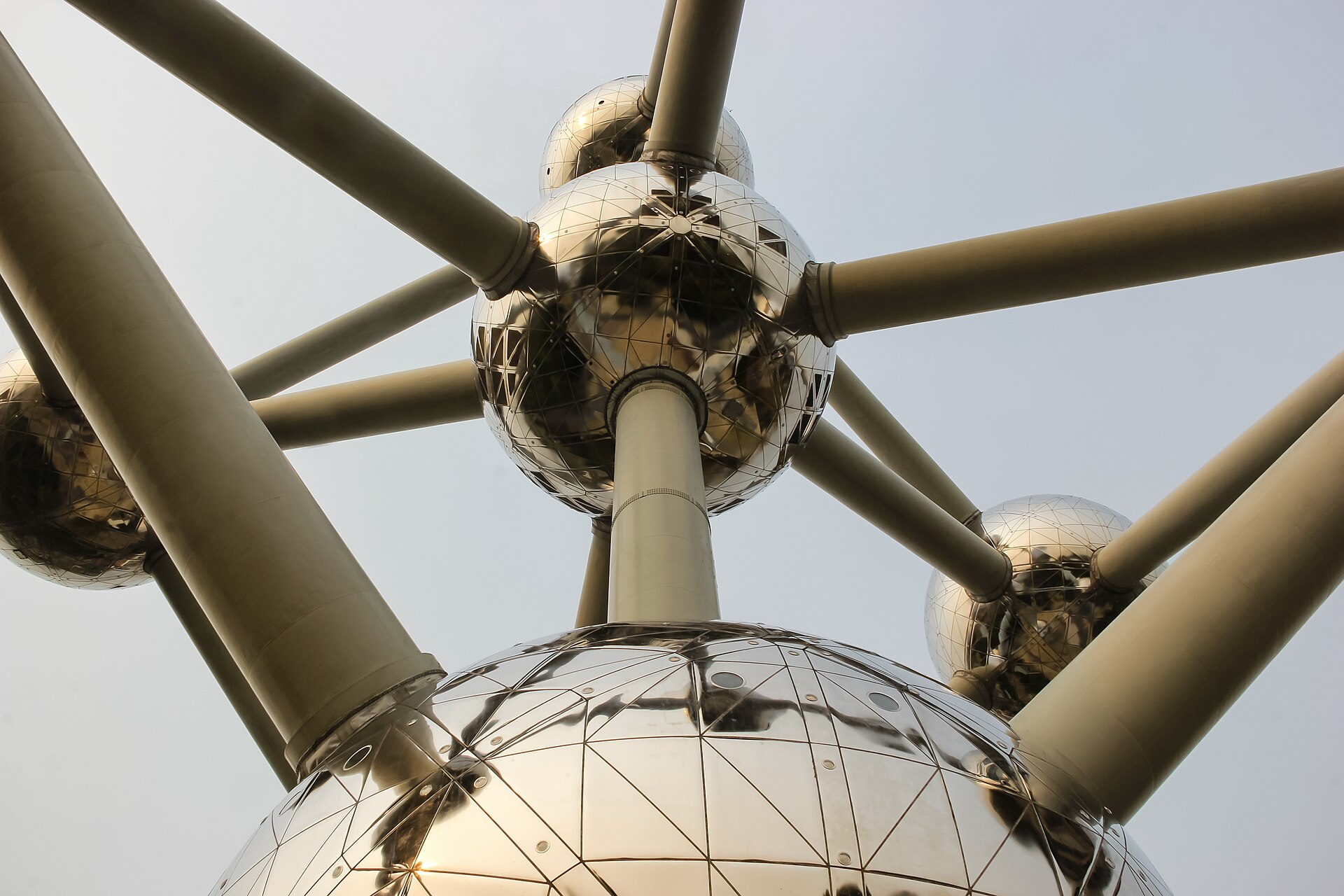 The AtomiumHeysel, north of the centre
Nine steel spheres built for a world's fair that was supposed to be dismantled six months later, and never was.
Photograph by Axel Kirch, Wikimedia Commons, CC BY-SA 4.0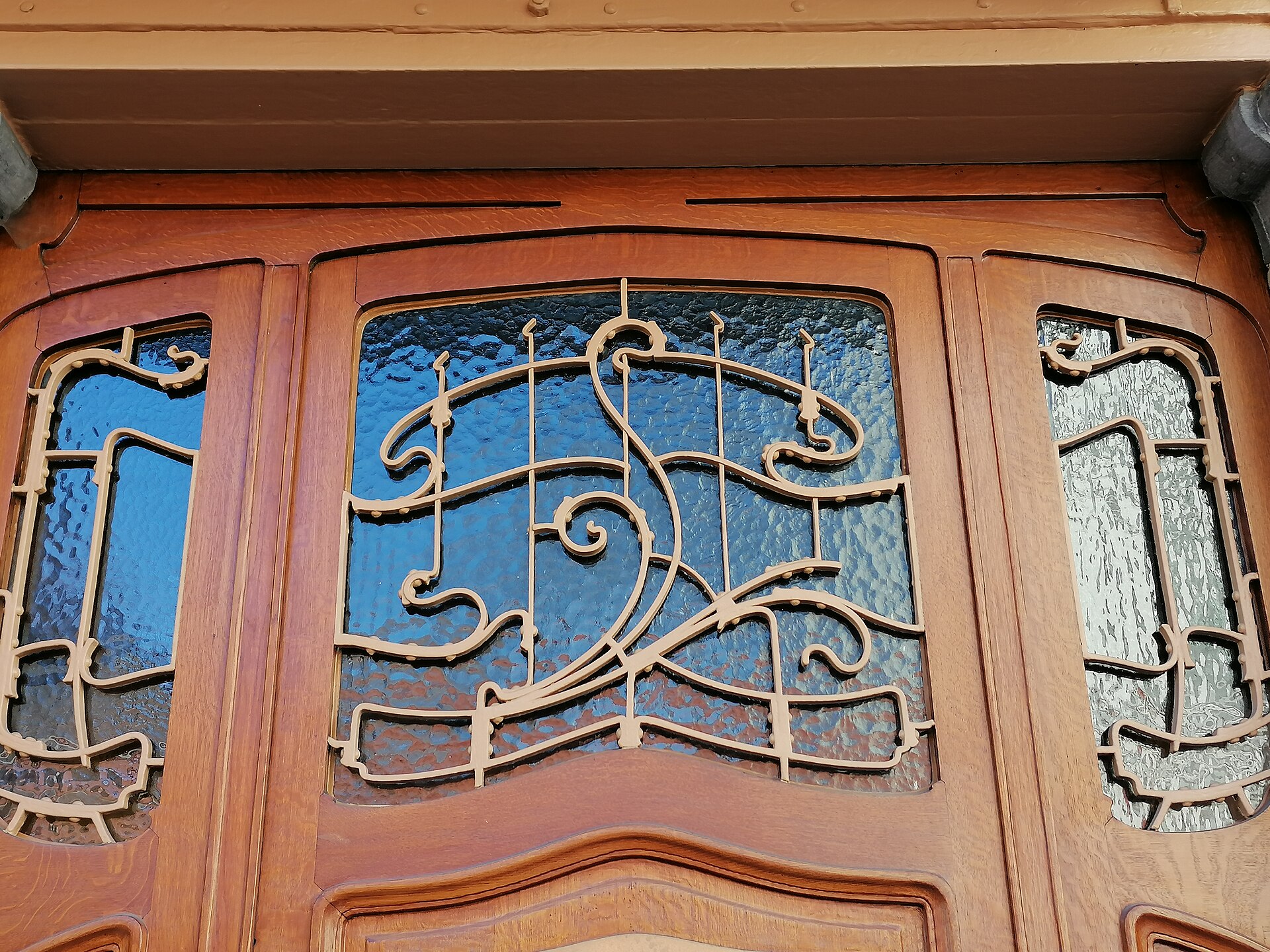 The Horta MuseumSaint-Gilles
Victor Horta's own house, kept as he left it — the best Art Nouveau interior in the city, and the one that needs booking.
Photograph by Eliedion, Wikimedia Commons, CC BY-SA 4.0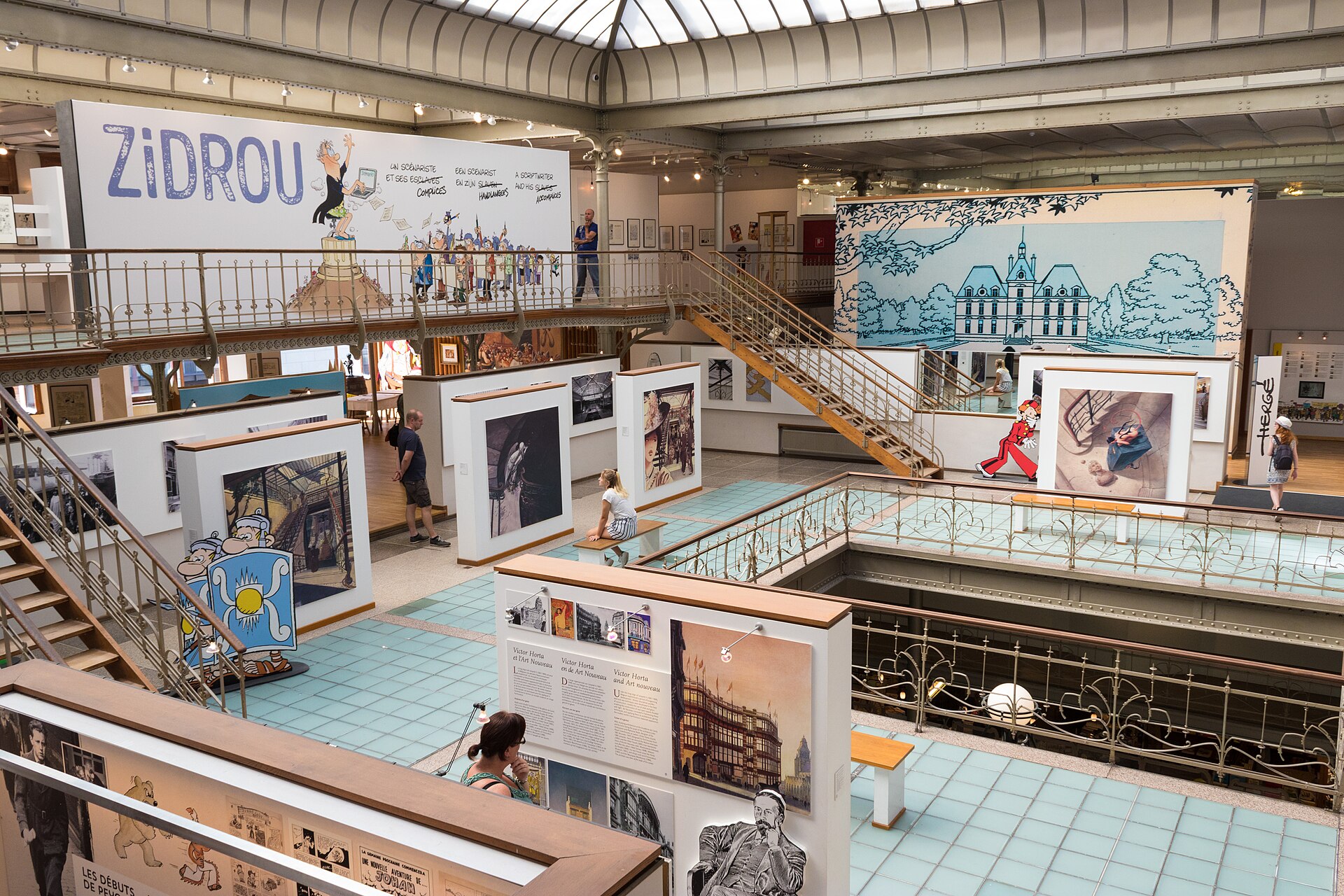 The Comics Art MuseumRue des Sables, centre
The national museum of the bande dessinée, in a Horta department store — two reasons to go, and the building is the one people underrate.
Photograph by Pierre Goiffon, Wikimedia Commons, CC BY-SA 4.0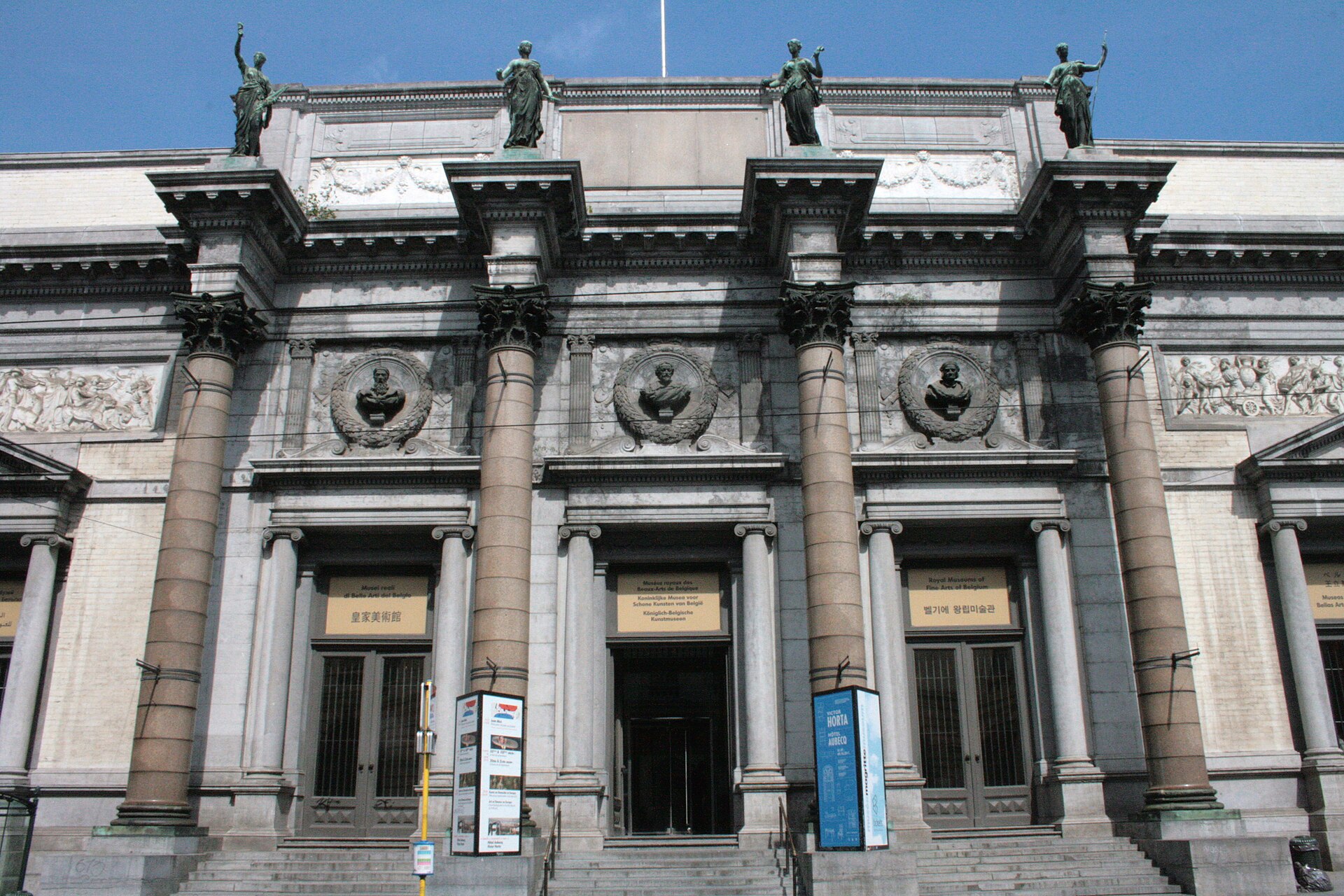 The Royal Museums of Fine ArtsMont des Arts / Sablon
Six museums on one site, sold in combinations — and the Magritte collection is the one most visitors are actually looking for.
Photograph by Michel wal, Wikimedia Commons, CC BY-SA 3.0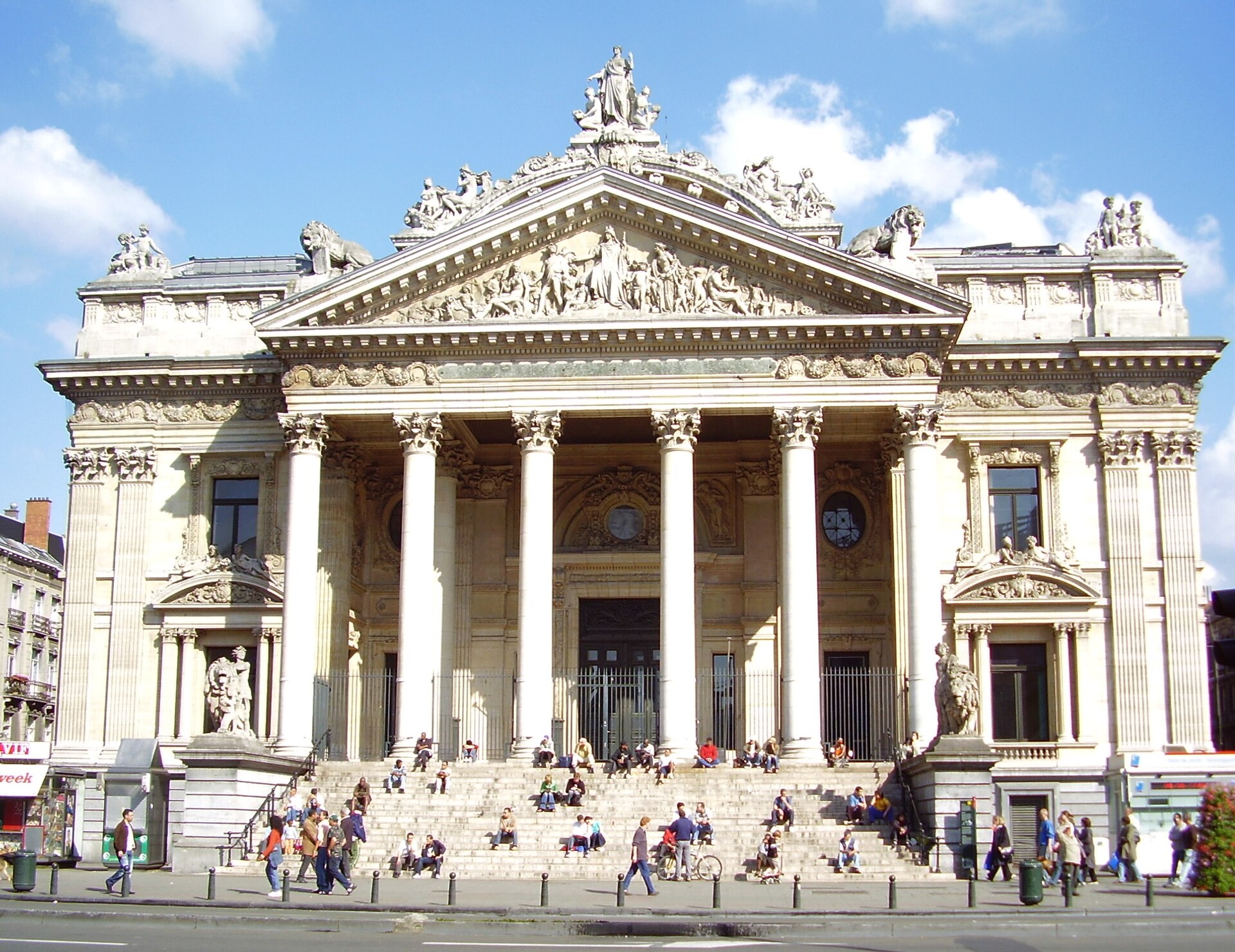 The BourseBoulevard Anspach, centre
The old stock exchange, reopened as a beer museum with a rooftop terrace — and its steps are where Brussels gathers.
Photograph by User:Ben2, Wikimedia Commons, CC BY-SA 3.0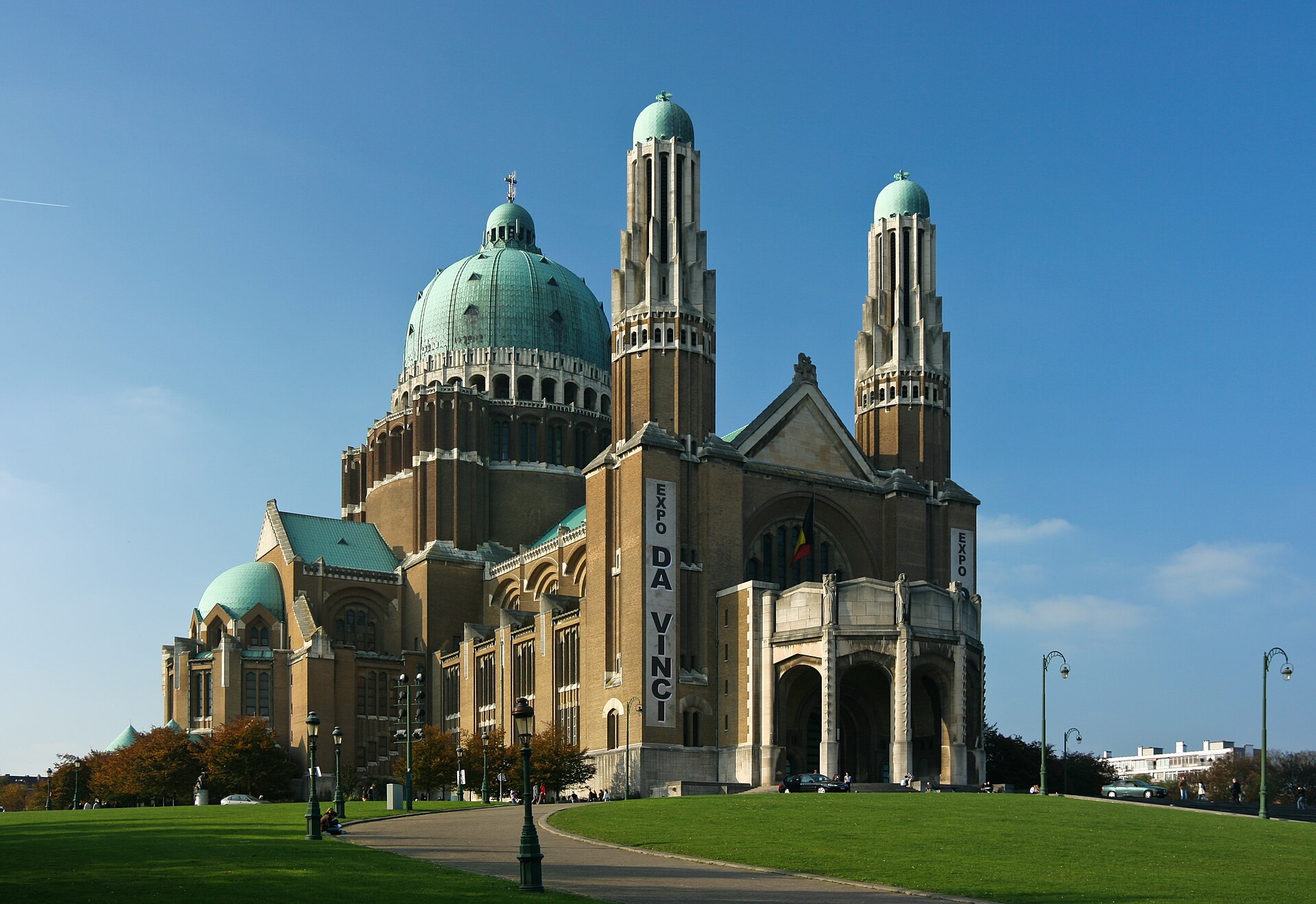 The Basilica of KoekelbergKoekelberg, west of the centre
The fifth-largest church in the world, mostly empty, with a dome walkway that gives the widest view over Brussels.
Photograph by Markus Koljonen (Dilaudid), Wikimedia Commons, CC BY-SA 3.0How to plan a day around them
Three rules do most of the work. Most museums close on Monday, and the free European ones are the exception — which makes Monday the day to go east. The Jeu de Balle runs every single morning, so it fits any day, but it is cheapest midweek and biggest at the weekend. And the Horta Museum needs booking, with a limited number of visitors and no photography, so build the day around its slot rather than hoping.
Plans by trip length are in Itineraries & Day Plans; what each ticket covers is in Museums & Galleries; and the crowd calendar is in Planning & Practicalities.
Ticket arrangements and opening hours as published for 2026 and checked on 5 September 2026. These change without much warning — confirm with the institution before you travel.
This section is being written. The guide above is the section for now. New articles are published across the site about twice a week rather than a section being filled in a day, so this page grows steadily — it is worth looking in again. In the meantime the sixteen sight pages and the plans by trip length are finished, and they are the best place to start.