Neighbourhoods
Quartiers · Wijken
Sablon, Marolles, Saint-Gilles and Ixelles — and what the nineteen communes mean for someone visiting for three days.
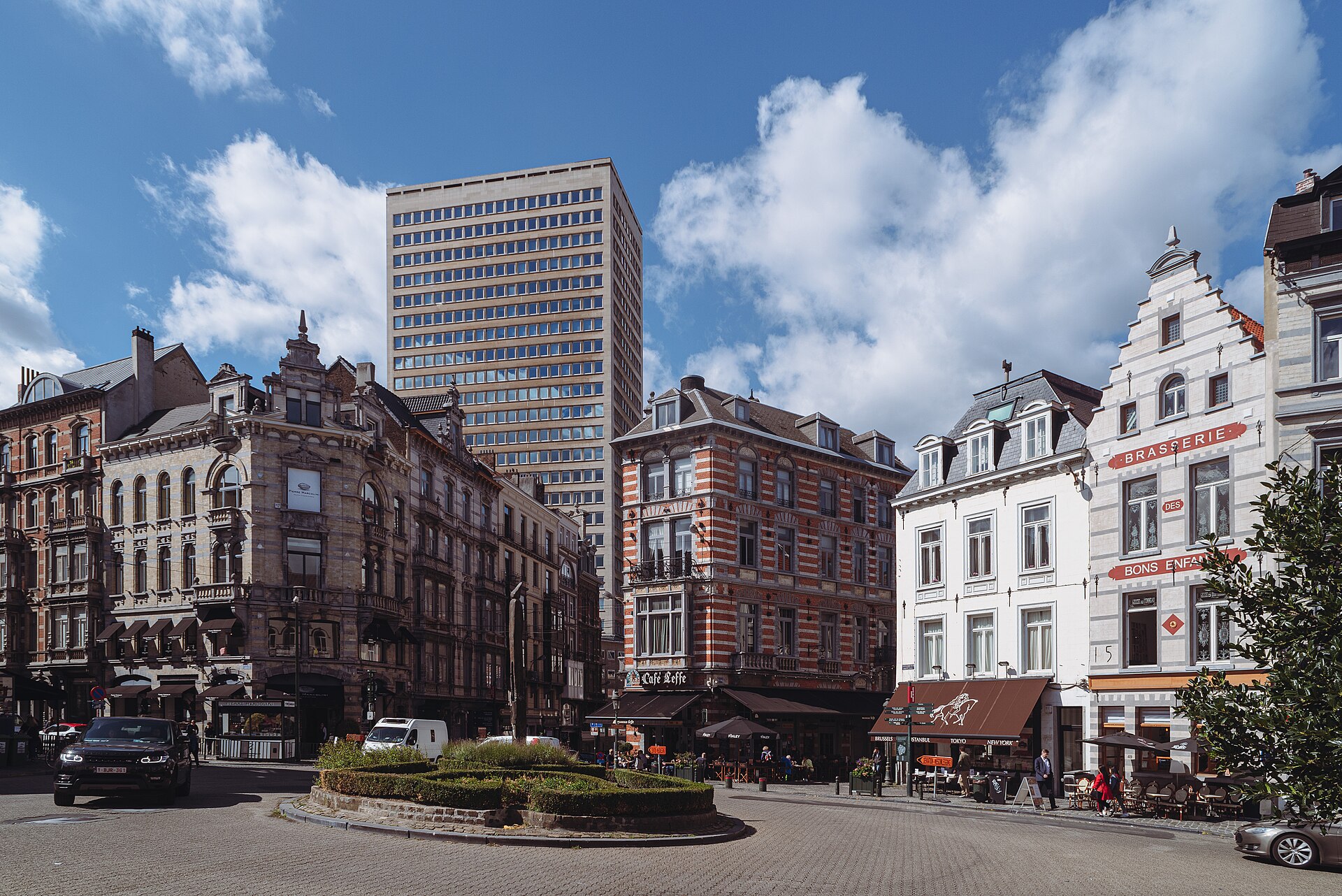

Brussels is not one city but nineteen communes, each with its own mayor, police zone, rules and character. For a visitor that mostly means one thing: the centre is small, and the parts worth your time are just outside it.
The ones that matter to a visitor
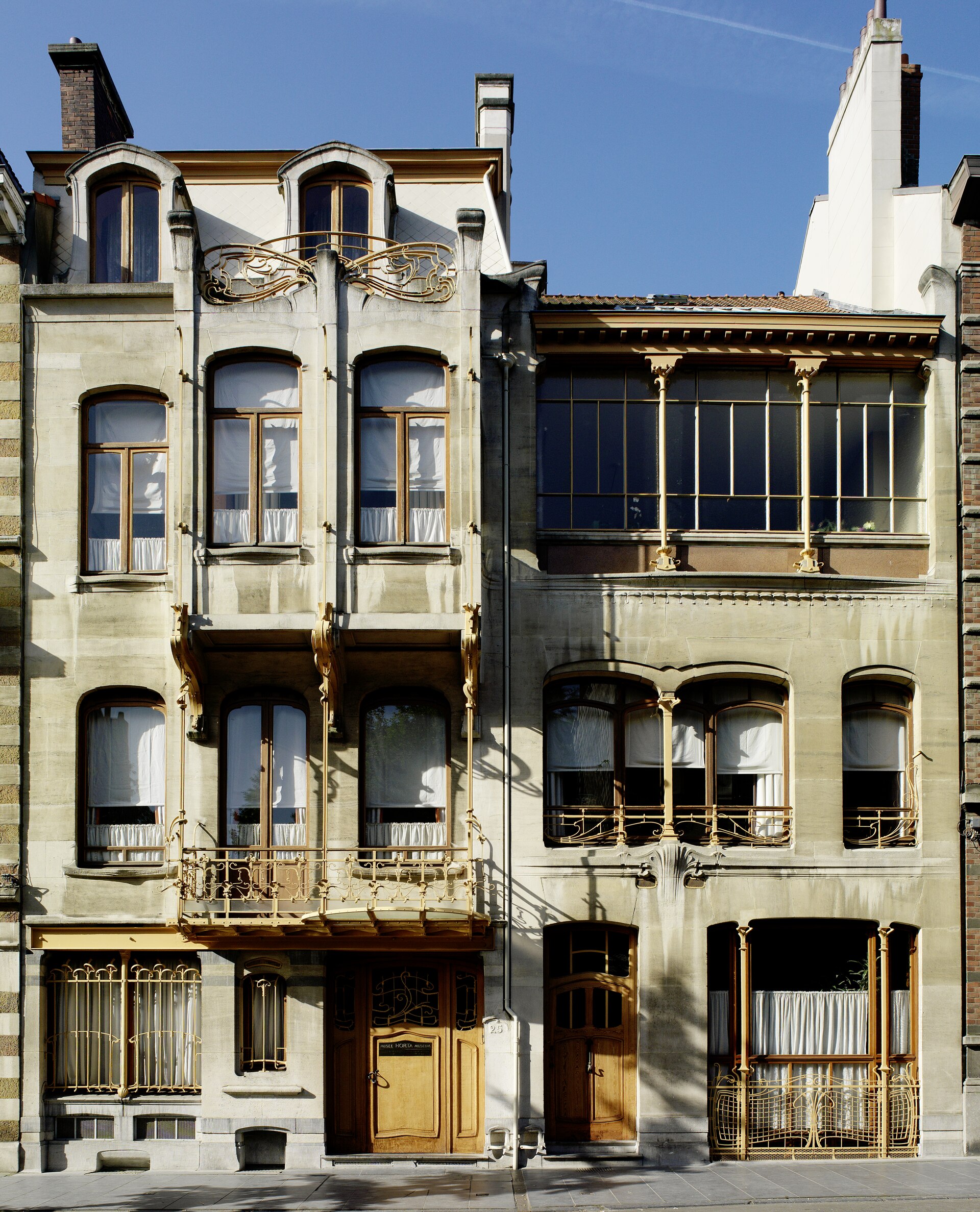
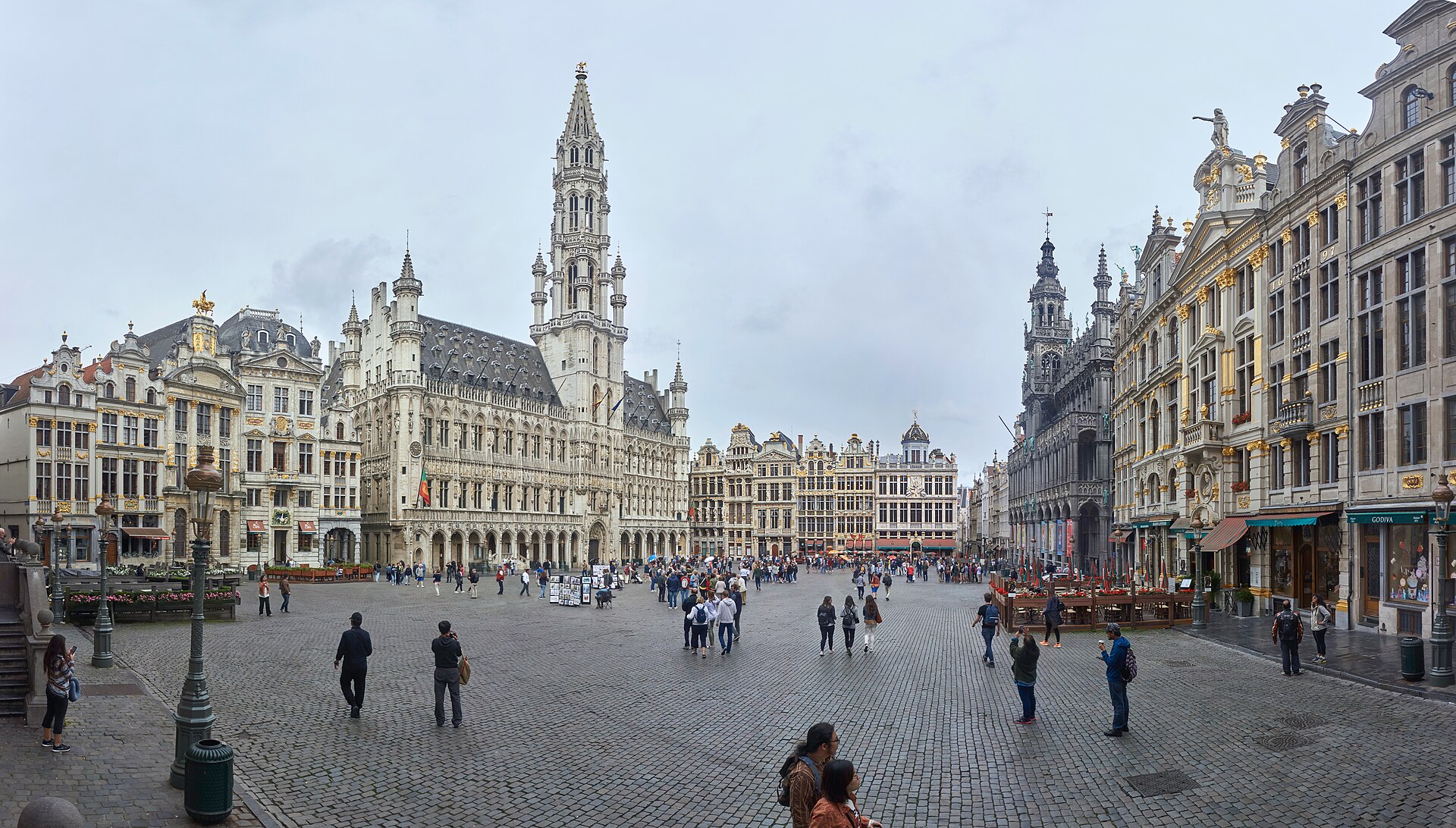
Brussels-City holds the Grand-Place, the Galeries and the tourist axis — and the Marolles, which is nothing like the rest of it. Saint-Gilles and Ixelles are where the Art Nouveau, the cafés and most of the city's actual life are; this is where a short trip should spend an afternoon. Etterbeek and the European Quarter are institutional and empty at weekends. Schaerbeek and Molenbeek along the canal are changing fast and hold the street-art scene.

Upper town and lower town
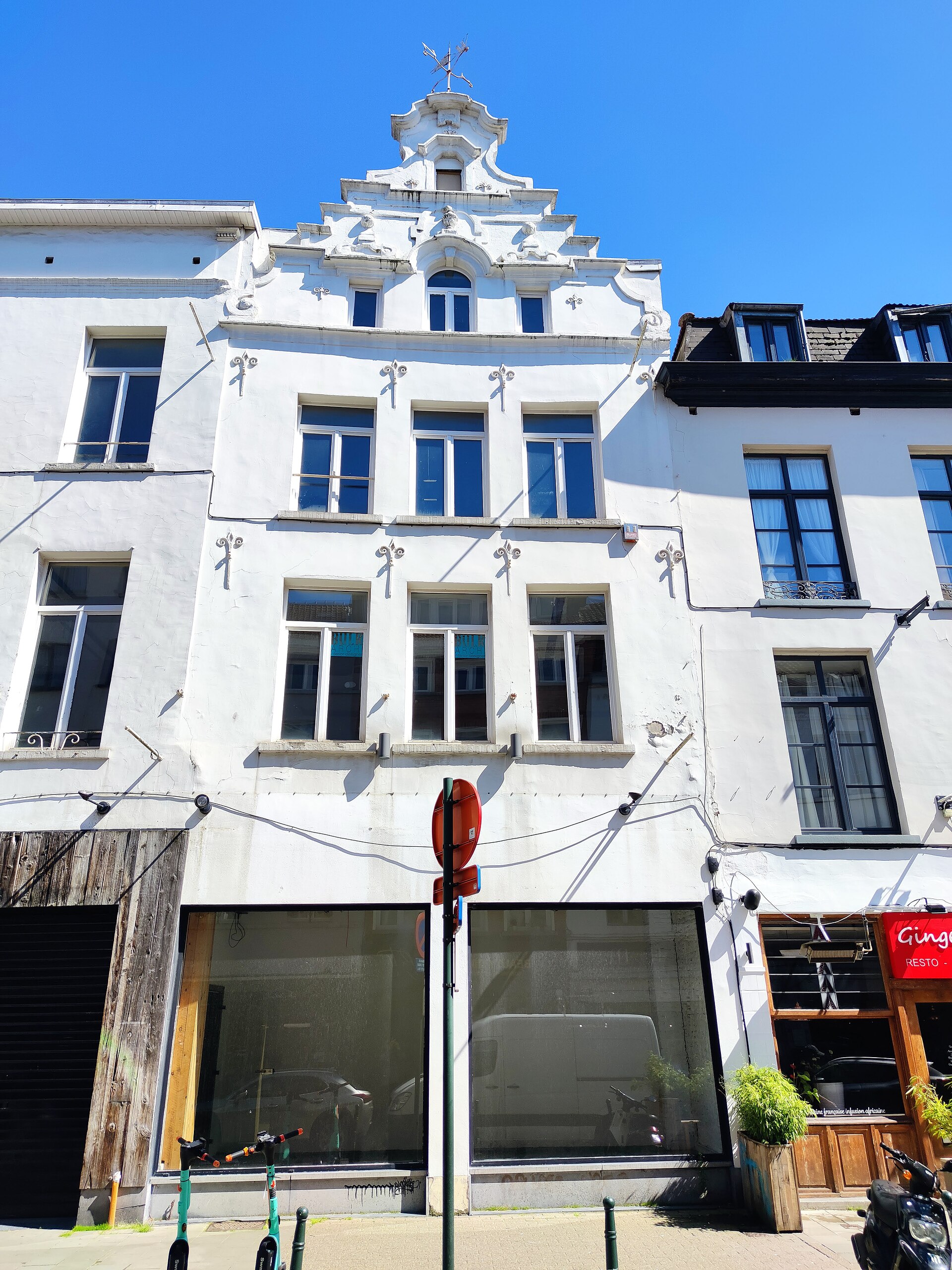
The older division still explains more than the communes do. The lower town — the Grand-Place, the Marolles, the Bourse — was the working, Flemish-speaking city. The upper town — the palace, the Sablon, the museums — was the court, and French. The hill between them is real, and the free public lifts exist because of it.
Where to stay
The centre is convenient and loud. Saint-Gilles, Ixelles and the Châtelain area put you ten minutes away by tram in a district people actually live in, usually for less money.

Checked on 5 September 2026 against published sources. Fares, hours and closing days change without much warning — confirm before you travel.
This section is being written. The guide above is the section for now. New articles are published across the site about twice a week rather than a section being filled in a day, so this page grows steadily — it is worth looking in again. In the meantime the sixteen sight pages and the plans by trip length are finished, and they are the best place to start.
Coming next in this section
- The nineteen communes explained, for someone here for three days
- Upper town and lower town: the division that still explains Brussels
- Where to stay in Brussels, and what each area costs you
- Saint-Gilles and Ixelles: the afternoon that changes your mind