Brussels is easy to visit and has a handful of rules worth knowing before you land.
Money and language
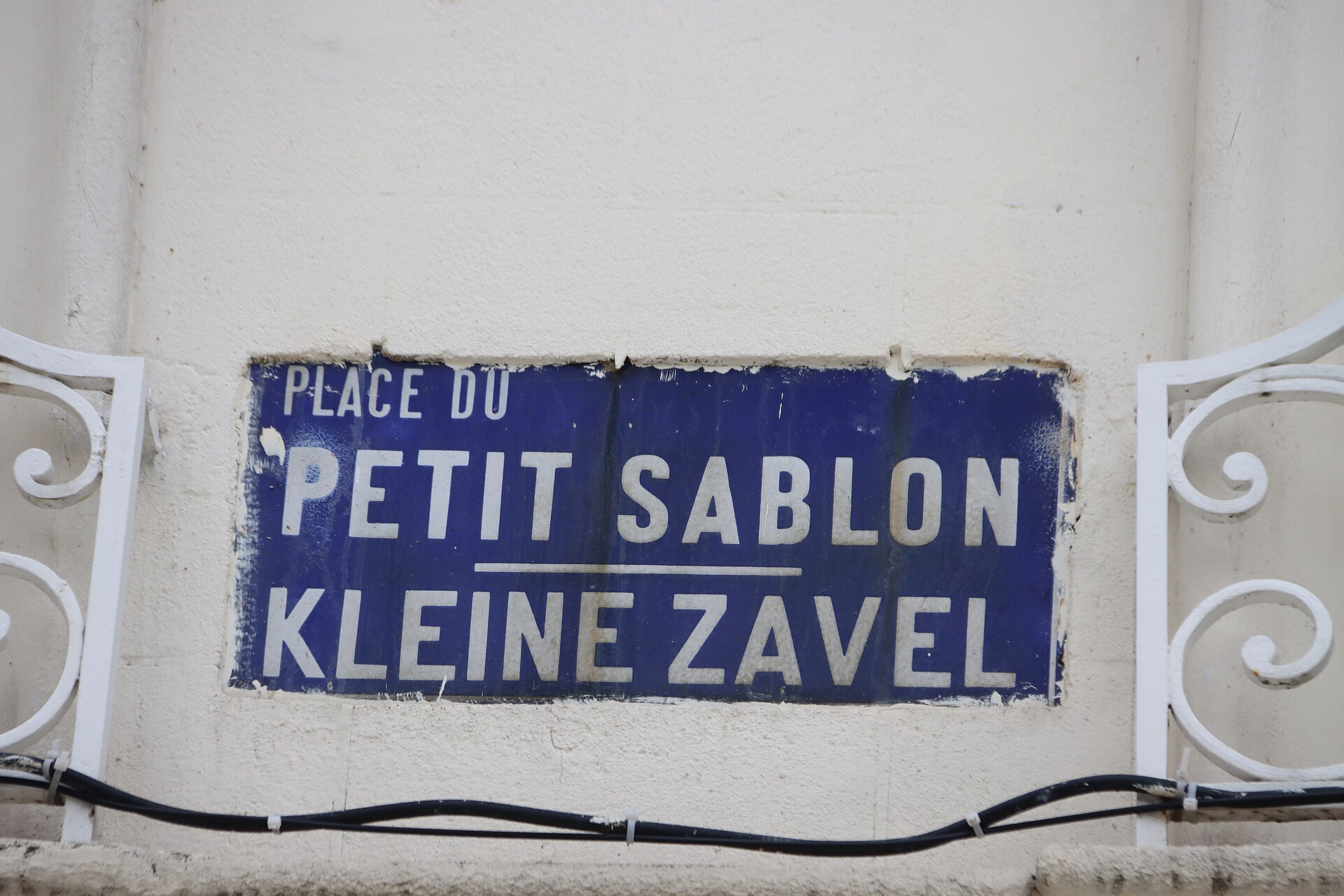
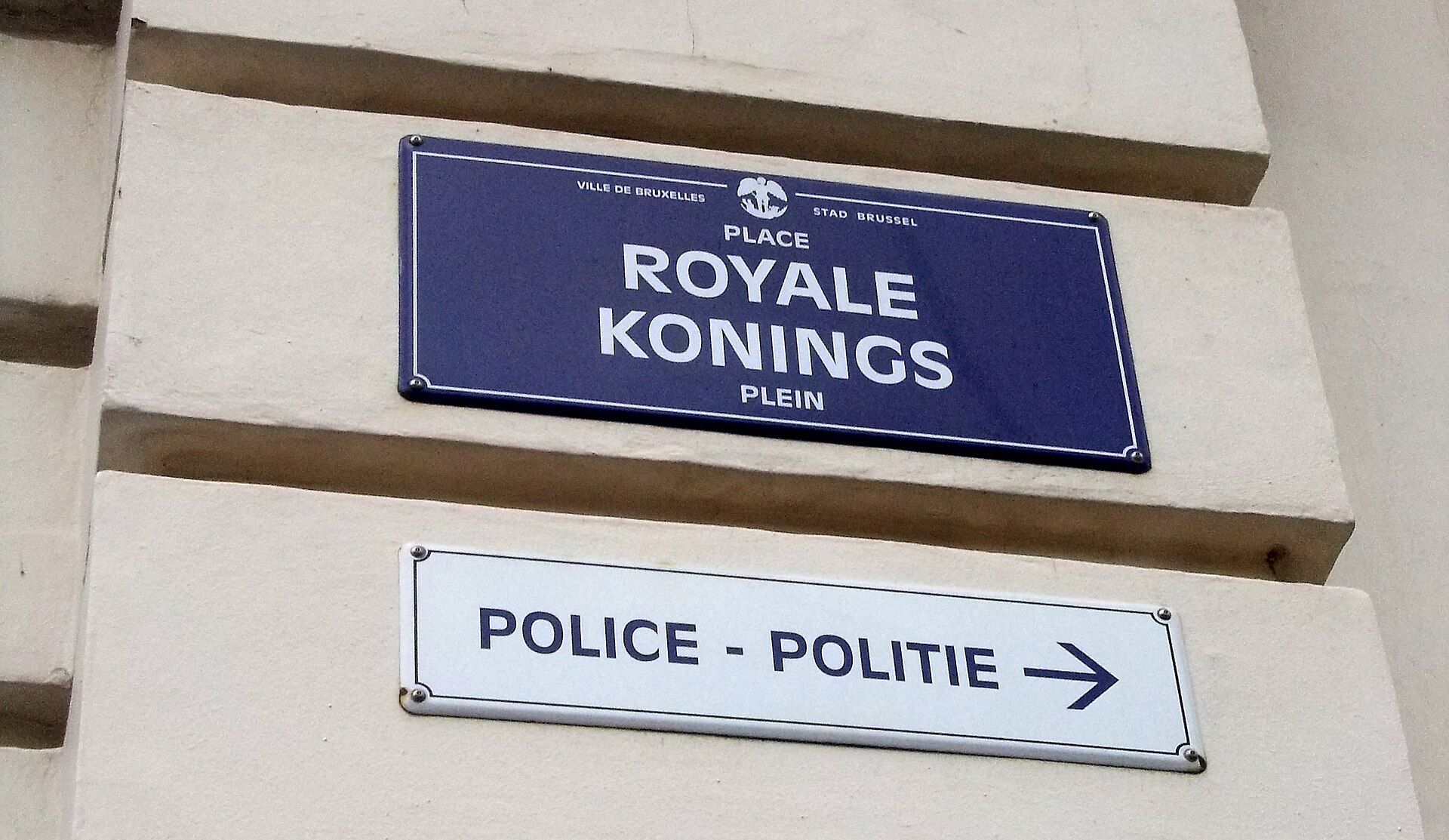
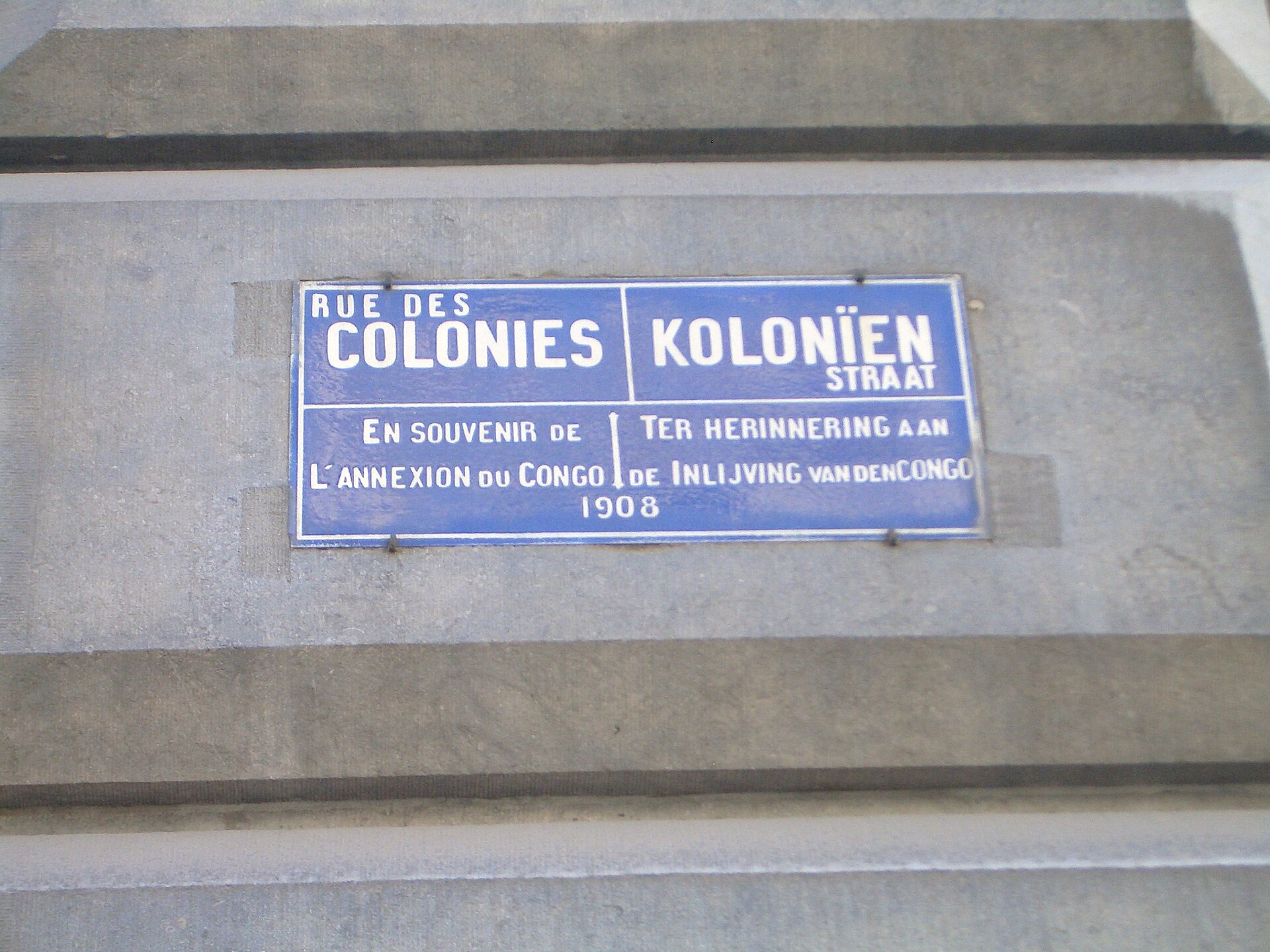
The currency is the euro and cards work almost everywhere, including on transport. The city is officially bilingual: every sign, street name and announcement is in French and Dutch, in that order in most of the region. English is widely spoken in the centre. If you speak one of the two, use it, and do not assume which the person in front of you prefers.
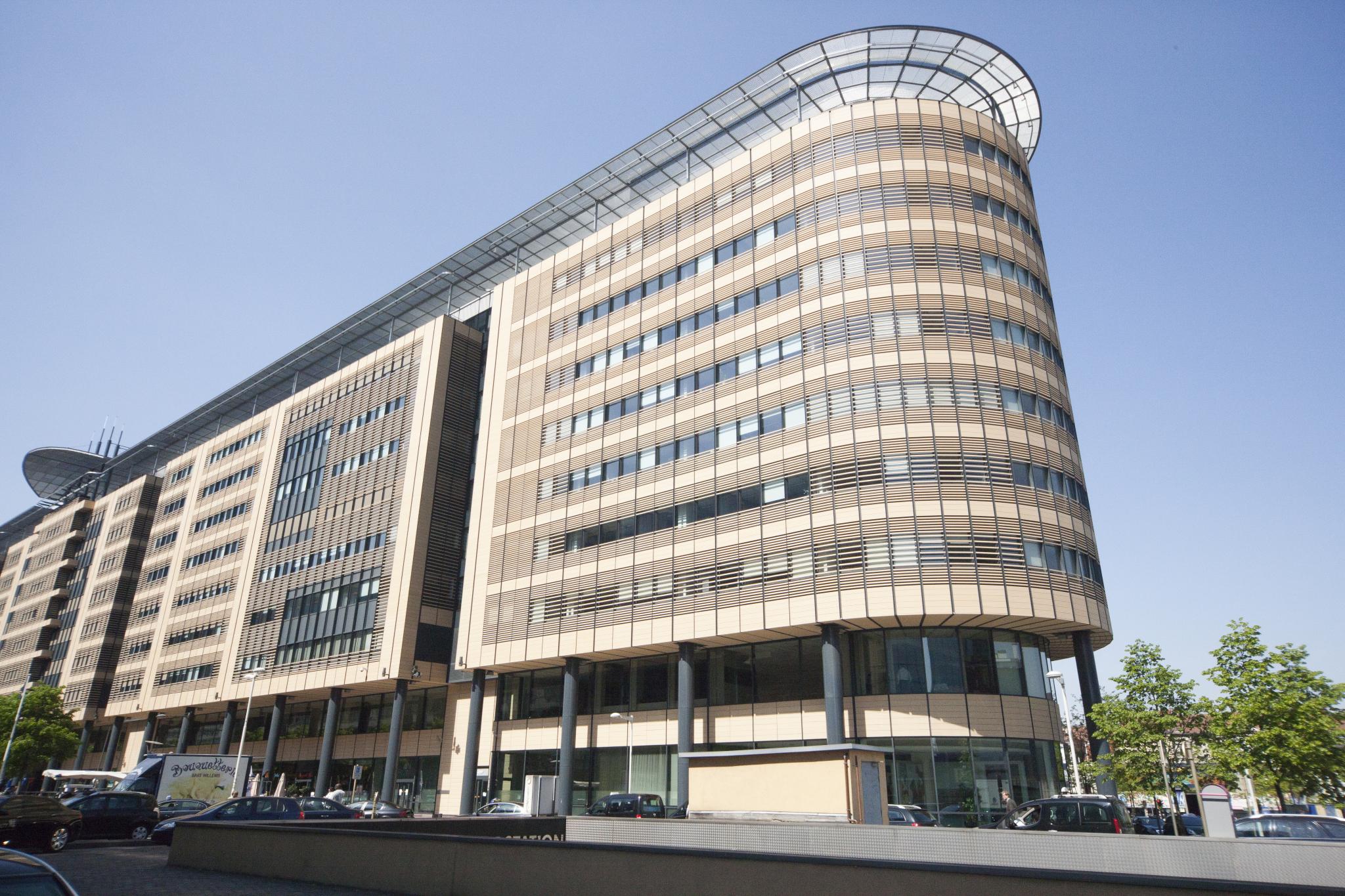
Every sign, street name and announcement is in both languages. Photograph by Andrijko Z., Wikimedia Commons, CC BY-SA 4.0
What is shut, and when
Most museums close on Monday; the free European ones do not. Sunday closes most shops, but the markets — Jeu de Balle, the Midi market, the Sablon antiques — all run. The Jeu de Balle flea market is the exception to everything: it opens every single morning of the year.
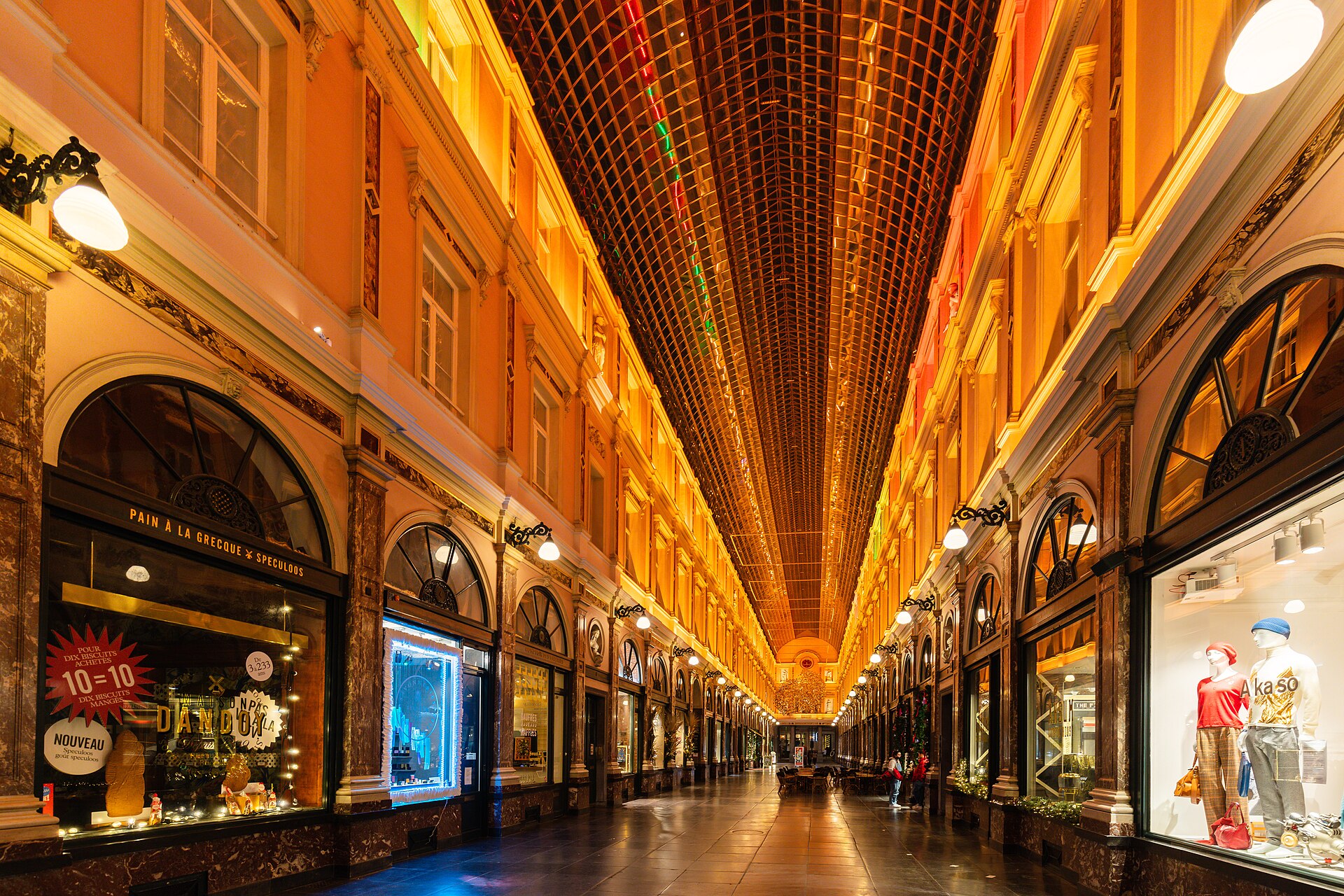
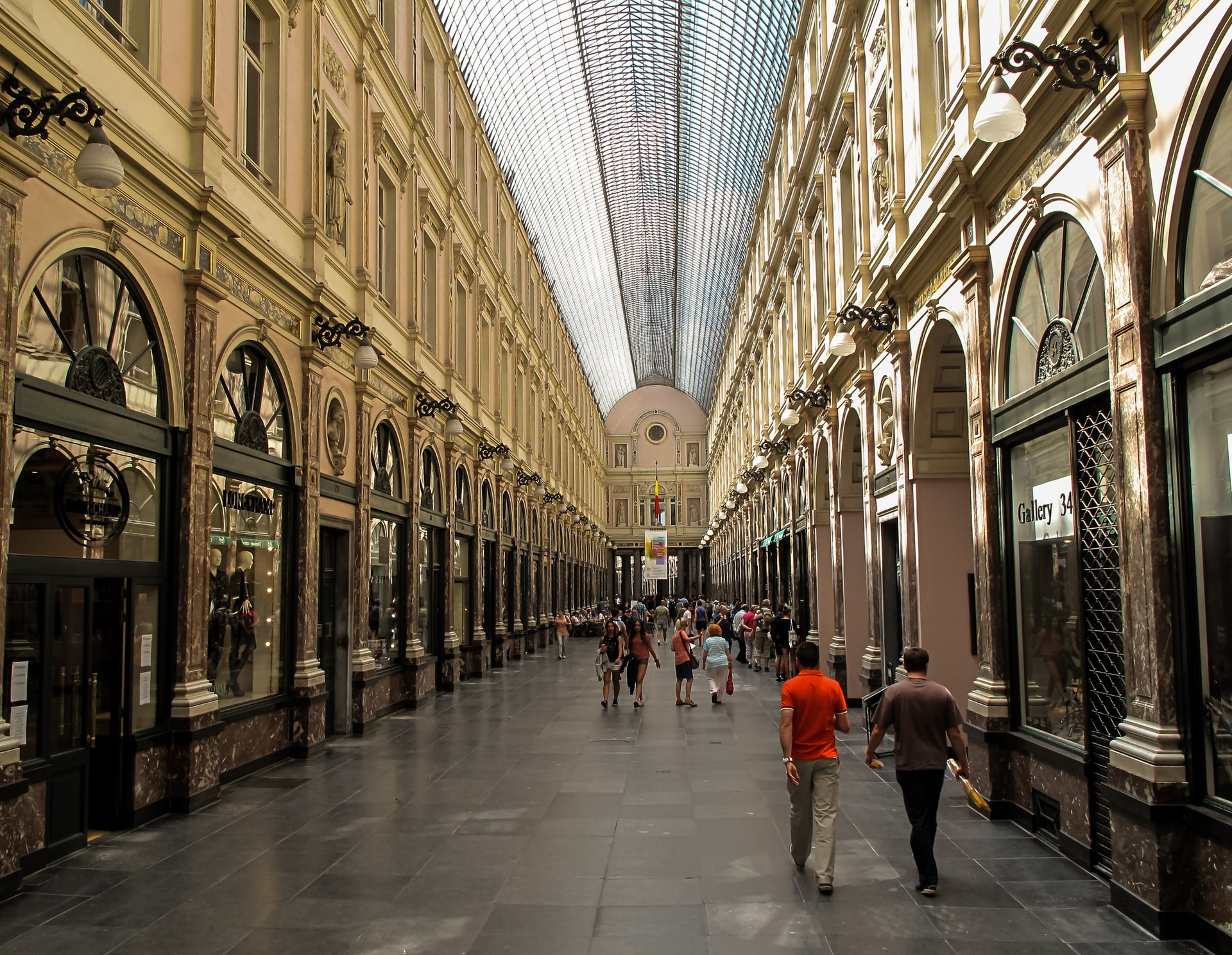
It rains often and briefly — keep one indoor option in reserve each day. Photograph by Diego Delso, Wikimedia Commons, CC BY-SA 4.0
The weather is a planning input
It rains here, often and briefly, all year. That is why the Galeries, the museums and the cafés matter more in Brussels than in a drier capital — keep one indoor option in reserve for every day.
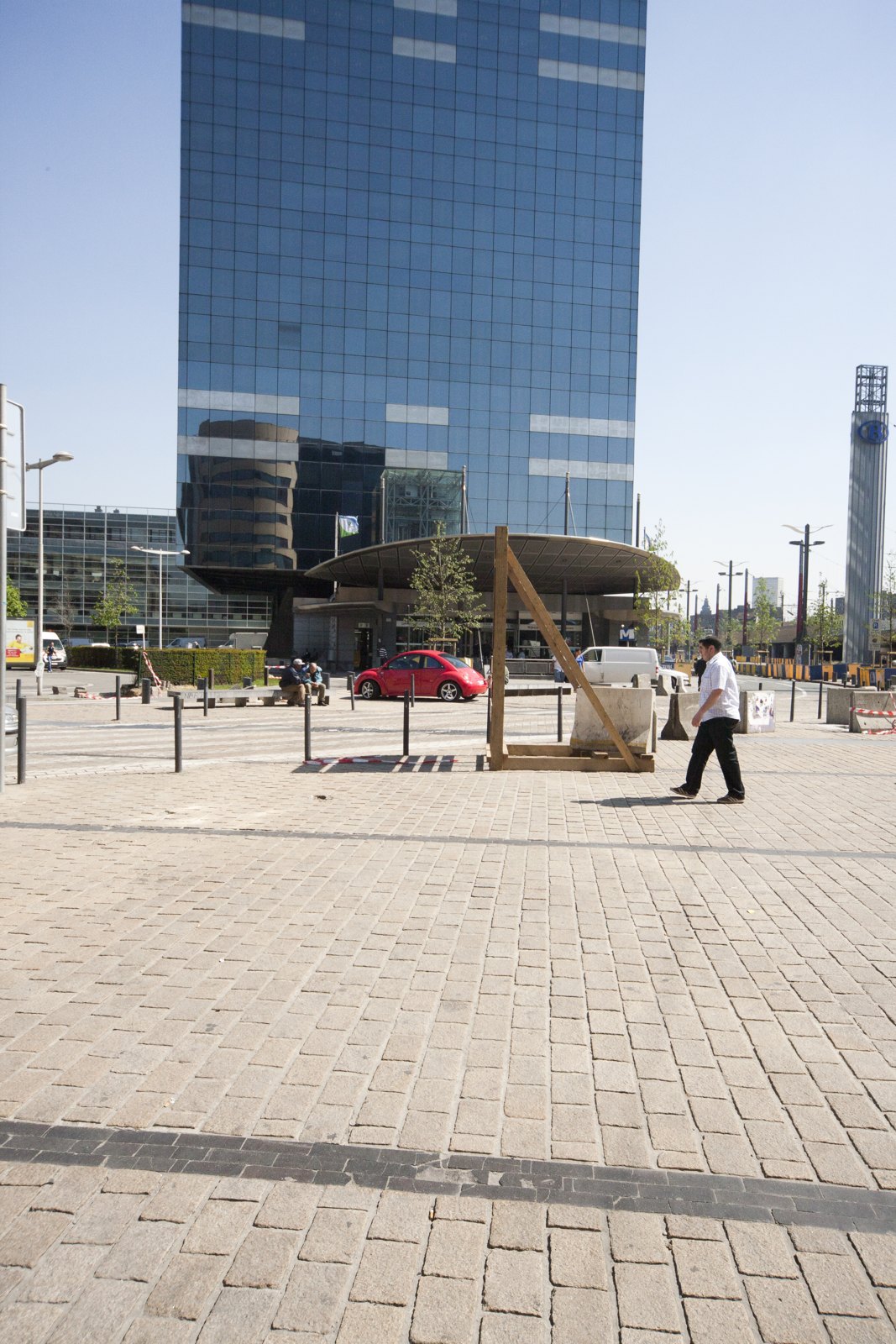
French first or Dutch first varies; do not assume which the person prefers. Photograph by Peyerk, Wikimedia Commons, Public domain
The crowd calendar
Summer and the December market period are busiest. The flower carpet fills the Grand-Place for a few days every second August. The European institutions empty the eastern quarter at weekends and in August, which makes those the quietest times to see it.
Checked on 5 September 2026 against published sources. Fares, hours and closing days change without much warning — confirm before you travel.
Which language should you use in Brussels, and when does it matter? Default to French in most of Brussels, since it is the dominant home language across the region. Switch to Dutch in a handful of neighborhoods, and use English as a practical fallback almost everywhere. It matters most with commune administration, the police, and … Read more
Monday is the closure day for most Brussels museums, including the Royal Museums of Fine Arts of Belgium and the Magritte Museum. It is not a citywide shutdown, though. A specific group of attractions — transport museums, the Atomium, outdoor markets — deliberately stays open. Shops follow a different pattern again, closer to normal than … Read more
Most shops in Brussels close on Sunday, by law rather than habit. Banks, post offices, and public administration offices shut too. But the city does not go dark: museums stay open, most restaurants trade as normal, night shops sell through the evening, and several designated zones let ordinary shops open every day of the week, … Read more
About what you read here. Everything on Access Brussels is general information and our own editorial opinion. We research carefully and we say when the evidence is unclear, but we can be wrong, things change, and no article can know your particular situation. Please do your own research and make your own judgement rather than treating anything here as the final word. Prices, products and specifications around the topics we cover change constantly, and what suits one person will not suit another. Check current details yourself, and where a decision involves real money, safety or something you cannot undo, it is worth confirming with a qualified professional before you act.

_signs_in_Brussels.jpg)


.jpeg)