Beer & Bars
Bière & bars · Bier & cafés
Trappist, lambic and gueuze explained, how a Brussels cafe bill works, and which glass comes with which beer.
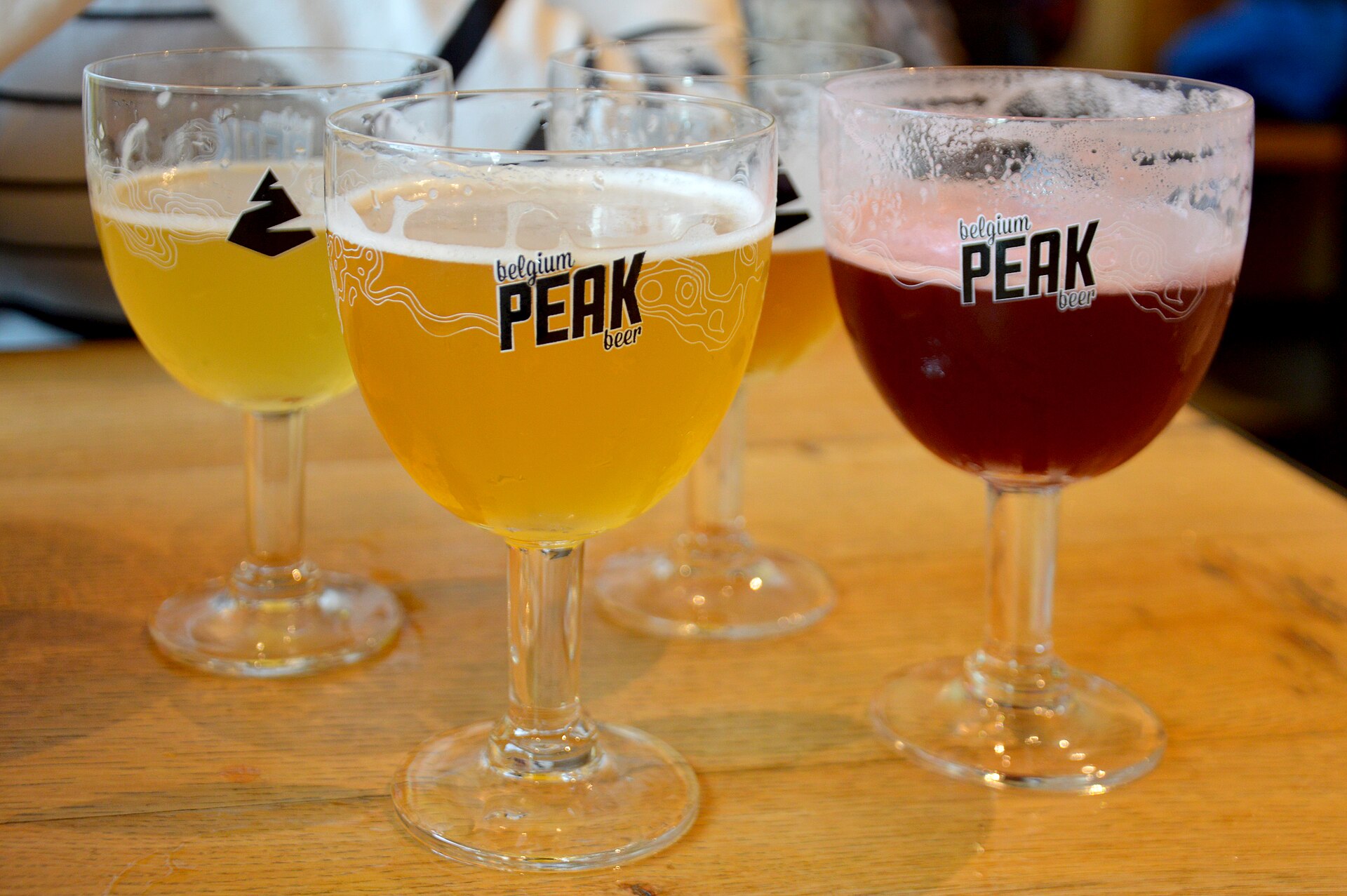

Belgium's beer culture is UNESCO-listed and Brussels is where its strangest branch lives. Almost every beer comes in its own glass, and that is not a flourish — the glass is part of how the brewery intends it to be drunk.
Lambic, gueuze and kriek
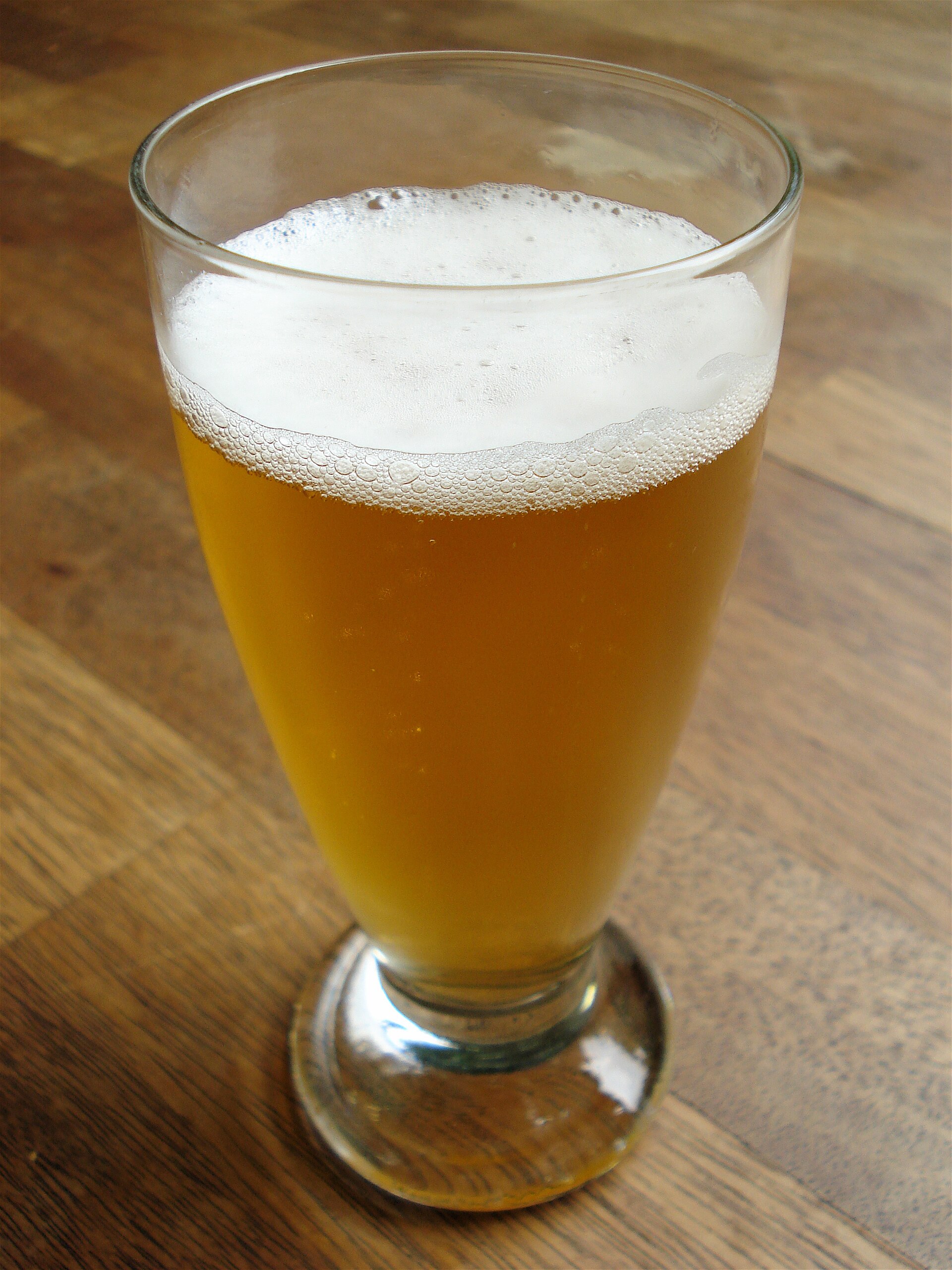
This is the local speciality and the one visitors get wrong. Lambic is fermented with wild yeasts from the air of the Senne valley — nowhere else — and is sour rather than sweet. Gueuze is a blend of young and old lambic, refermented in the bottle, and tastes closer to a dry cider or a sherry than to beer. Kriek is lambic with cherries, and the traditional version is tart, not the sweet red drink sold on the tourist streets.
If you order one expecting a lager you will dislike it. Order it expecting something closer to wine and it makes sense.

Trappist, and what the word means
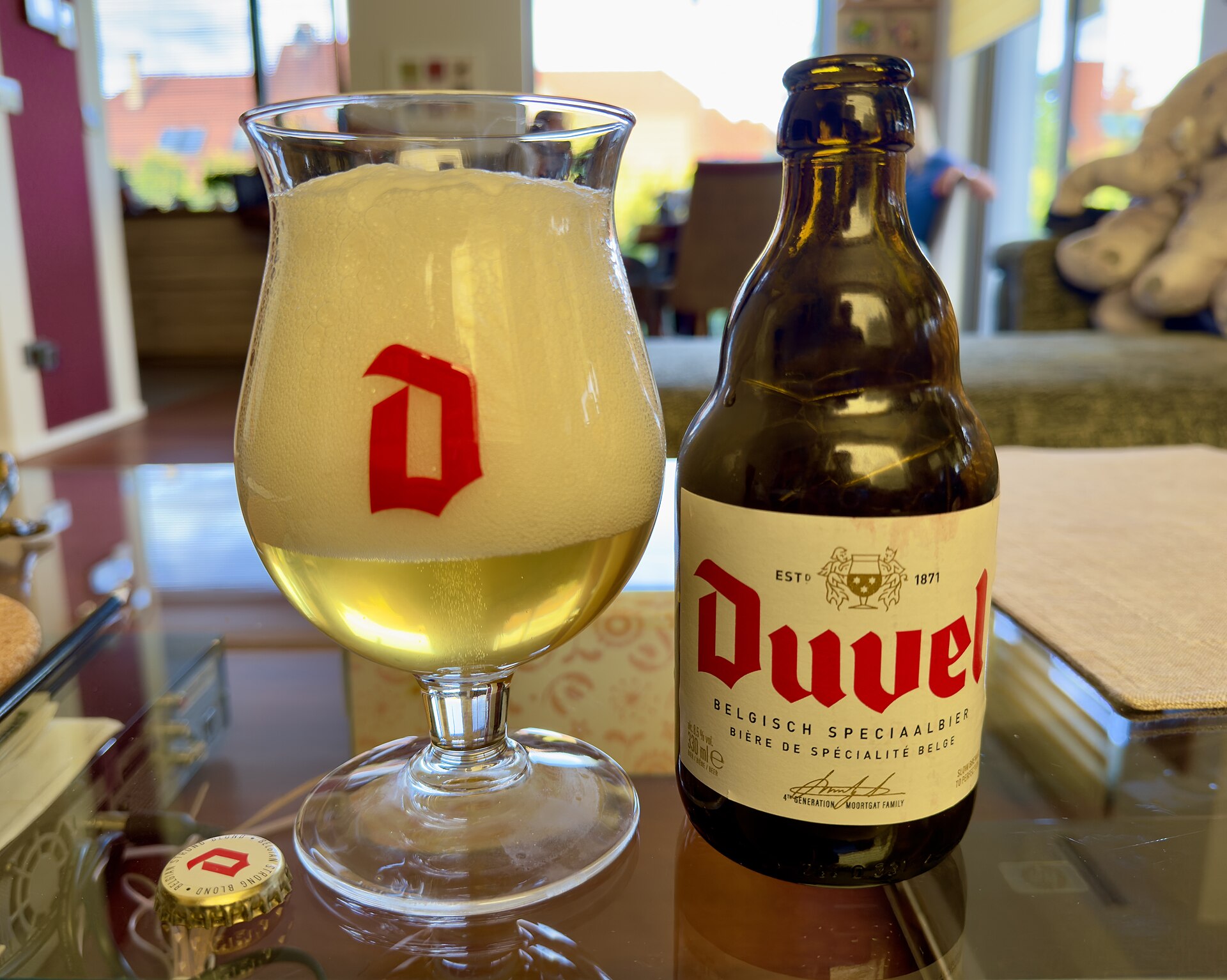
Trappist is not a style — it is a certification: brewed within a monastery's walls, under the monks' supervision, with profits to the community. Belgium has several. It says nothing about the taste, which ranges from pale and dry to very dark and strong.

How the bill works
You order at the table and pay at the end; the waiter keeps a tab. Service is included, and a tip is not expected — rounding up is plenty. Beers are strong: many sit between seven and ten per cent, and they are served in small glasses for that reason.

Checked on 5 September 2026 against published sources. Fares, hours and closing days change without much warning — confirm before you travel.
This section is being written. The guide above is the section for now. New articles are published across the site about twice a week rather than a section being filled in a day, so this page grows steadily — it is worth looking in again. In the meantime the sixteen sight pages and the plans by trip length are finished, and they are the best place to start.
Coming next in this section
- Lambic, gueuze and kriek: what Brussels beer actually tastes like
- Why every Belgian beer has its own glass
- Trappist is a certification, not a style
- How a Brussels cafe bill works, and what a tip should be