A capital that hides its good half behind a dull first impression
Brussels is signed twice, governed nineteen times over, and routinely written off after an afternoon on the Grand-Place. We write what is checkable, name the office that decides it, and date every figure.
Language and commune counts: Brussels-Capital Region. The Atomium was built for
Expo 58 and intended to stand for six months. Checked 5 September 2026.
Brussels in briefBruxelles · Brussel
Brussels is the capital of Belgium and the seat of the European Union’s main institutions
— about 1.2 million people spread across nineteen separate communes, each with
its own council, its own rules and, in places, its own opening hours. It sits in the flat middle of
the country on the river Senne, which you will not see: it was vaulted over in the 1860s and 70s to
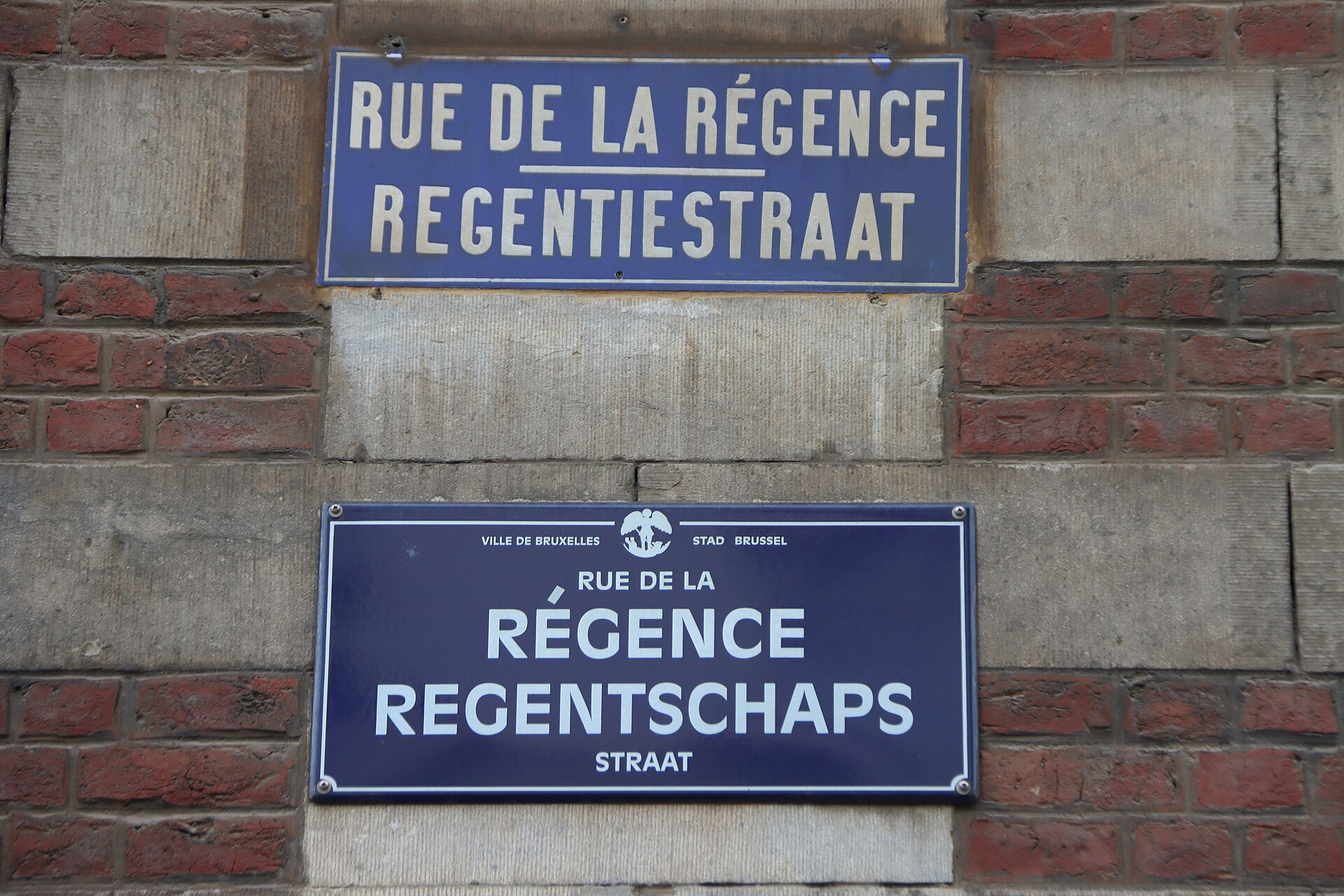
end the cholera outbreaks, and the boulevards were built on top of it. Everything here is signed
twice, in French and in
Dutch.
The city began as a settlement in the marshes around the year 979 and grew rich as a Brabant
cloth and trading town. In 1695 a French bombardment flattened the centre; the guild
houses on the Grand-Place were rebuilt within a
few years, which is why a medieval market square looks uniformly late-seventeenth-century. Brussels
became the capital of an independent Belgium in 1830 and was rebuilt on a monumental scale under
Leopold II. Art Nouveau began here, with Victor Horta’s Hôtel Tassel in
1893. The Atomium went up for the 1958 World’s
Fair and was only meant to stand for six months.
It is known for beer — lambic and gueuze are brewed nowhere else on earth — for
chocolate, frites and waffles; for comics,
since Tintin and the Smurfs are both from here and murals of them are painted across the centre; for
Art Nouveau; and for the Grand-Place, on the UNESCO World Heritage list since 1998. It is also known,
unfairly, as dull. That one we take up at the bottom of this page.
Country & region
Belgium. The Brussels-Capital Region is one of the country’s
three regions, and is made up of 19 communes.
Languages
French and Dutch, both official, both on every sign. English is widely spoken
in the centre and in the European quarter.
Currency
The euro (€). Cards work almost everywhere; a handful of old cafés
and market stalls are still cash only.
Time zone
Central European Time, UTC+1 — and UTC+2 from late March to late
October.
Population
About 190,000 in the City of Brussels commune itself; about 1.2 million across
the whole region.
Arriving
Brussels Airport (BRU) is roughly 12 km northeast with a direct train to the
three central stations. Brussels South Charleroi (CRL) is about 46 km away and is reached by
coach, not rail. Getting here
→
Stations
Bruxelles-Midi / Brussel-Zuid for Eurostar and the high-speed lines; Central and
Nord for nearly everything else.
When to come
April to June and September to October. It rains in every month of the year.
Most museums shut on Monday and much of the retail centre shuts on Sunday.
Plans by trip length →
Region, commune and language facts: Brussels-Capital Region. Grand-Place inscribed
by UNESCO in 1998. Checked 5 September 2026. Nothing on this page carries a price or a fare —
those live on the pages that keep them current.
Where things live
Eleven sections, set out the way this city signs itself — a direction, both names, and
the answer on the right.
Sight photographs by EmDee, Myrabella, Axel Kirch, Diego Delso, Eliedion, Pierre Goiffon, Michel wal, Trougnouf (Benoit Brummer), Flocci Nivis, Patrick Despoix, Edison McCullen, User:Ben2 and Markus Koljonen (Dilaudid), via Wikimedia Commons, under CC BY, CC BY-SA, CC0 and public-domain licences. Each sight’s own page carries its full credit and licence.
The Jeu de Balle flea market runs every single morning of the year — one of very few in
Europe that never takes a day off, and the best free hour in Brussels. Photograph by Patrick Despoix, Wikimedia Commons, CC BY-SA 4.0
Plans by how long you have
Written plans rather than lists, each built around what is shut on the day you are
here. The longer ones add a day out of the country, then a second capital.
Every street name in the city is given twice, French and Dutch. Photograph by FrDr, Wikimedia Commons, CC BY-SA 4.0
One correction, plainly
Brussels is routinely dismissed as “boring”, usually after one afternoon spent between the Grand-Place and Manneken Pis. The defensible version: the tourist axis is small and heavily worked, and almost everything the city is actually good at — Art Nouveau, beer, comics, food, the Sunday market at Midi — sits one or two tram stops off it. Judge the city from Saint-Gilles or Ixelles, not from the Îlot Sacré.
Everything on this page is checked against a primary source and dated. Fares and opening hours change — confirm before you travel.
About what you read here. Everything on Access Brussels is general information and our own editorial opinion. We research carefully and we say when the evidence is unclear, but we can be wrong, things change, and no article can know your particular situation. Please do your own research and make your own judgement rather than treating anything here as the final word. Prices, products and specifications around the topics we cover change constantly, and what suits one person will not suit another. Check current details yourself, and where a decision involves real money, safety or something you cannot undo, it is worth confirming with a qualified professional before you act.
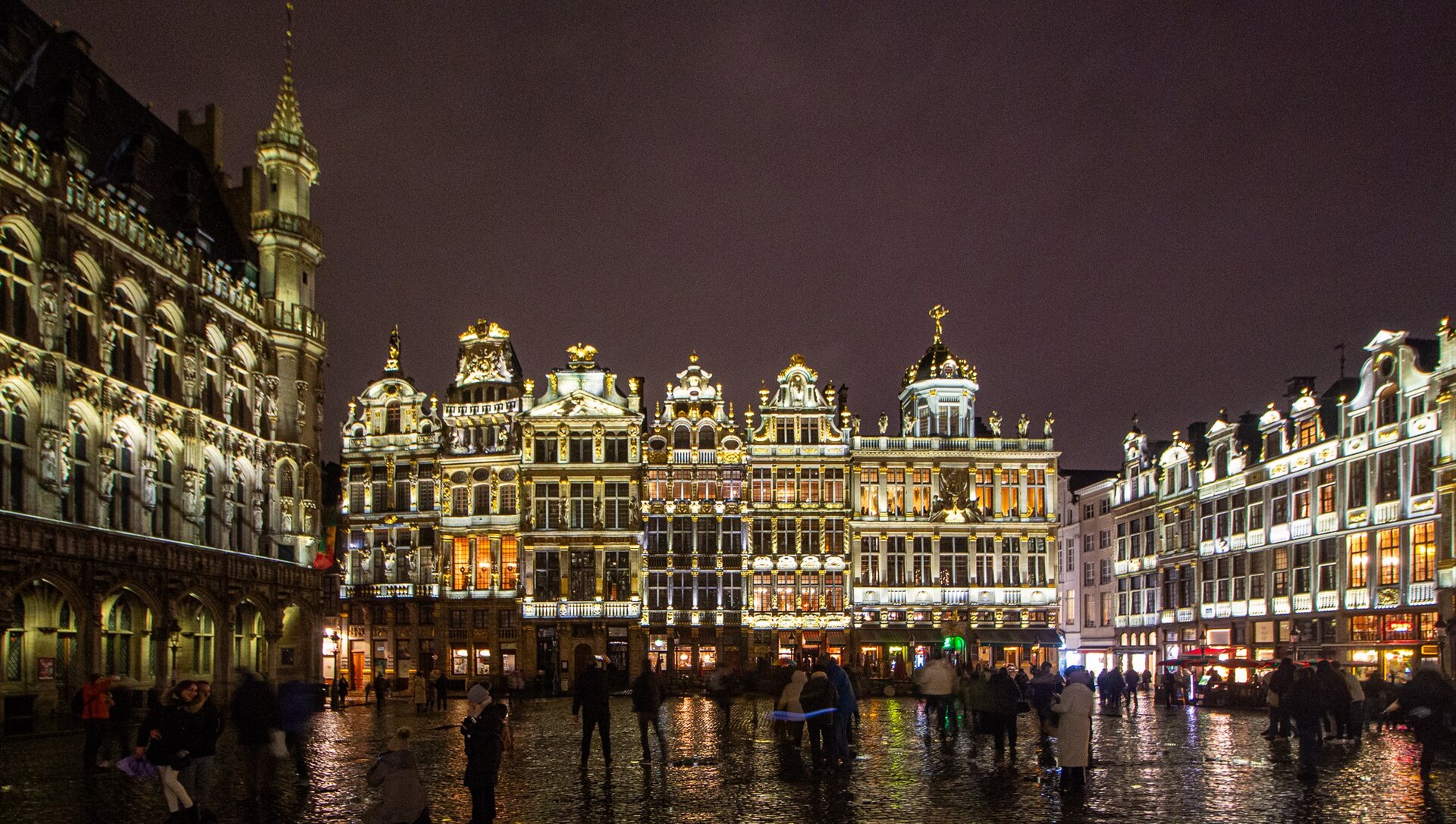

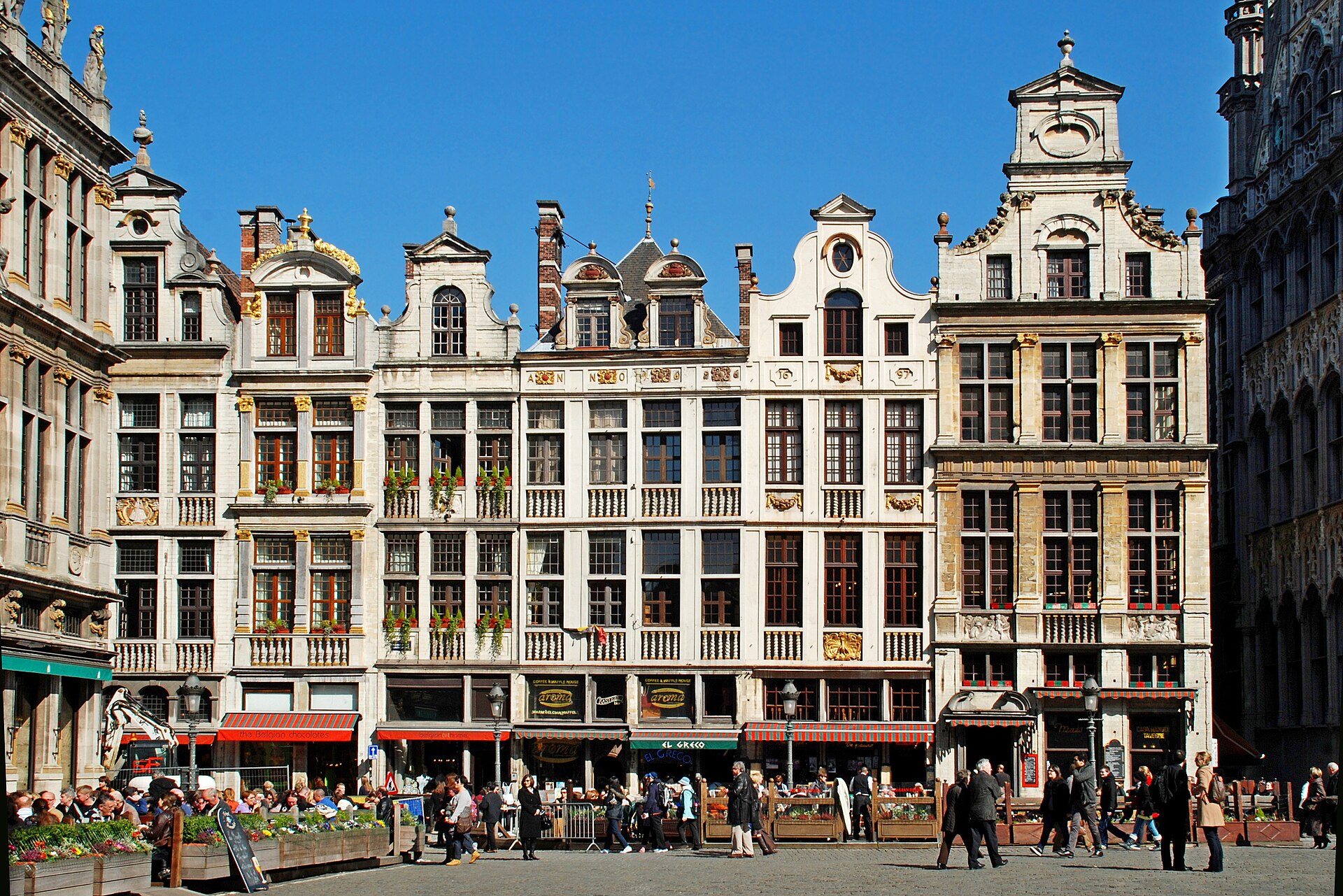 The Grand-PlaceFree · better after dark
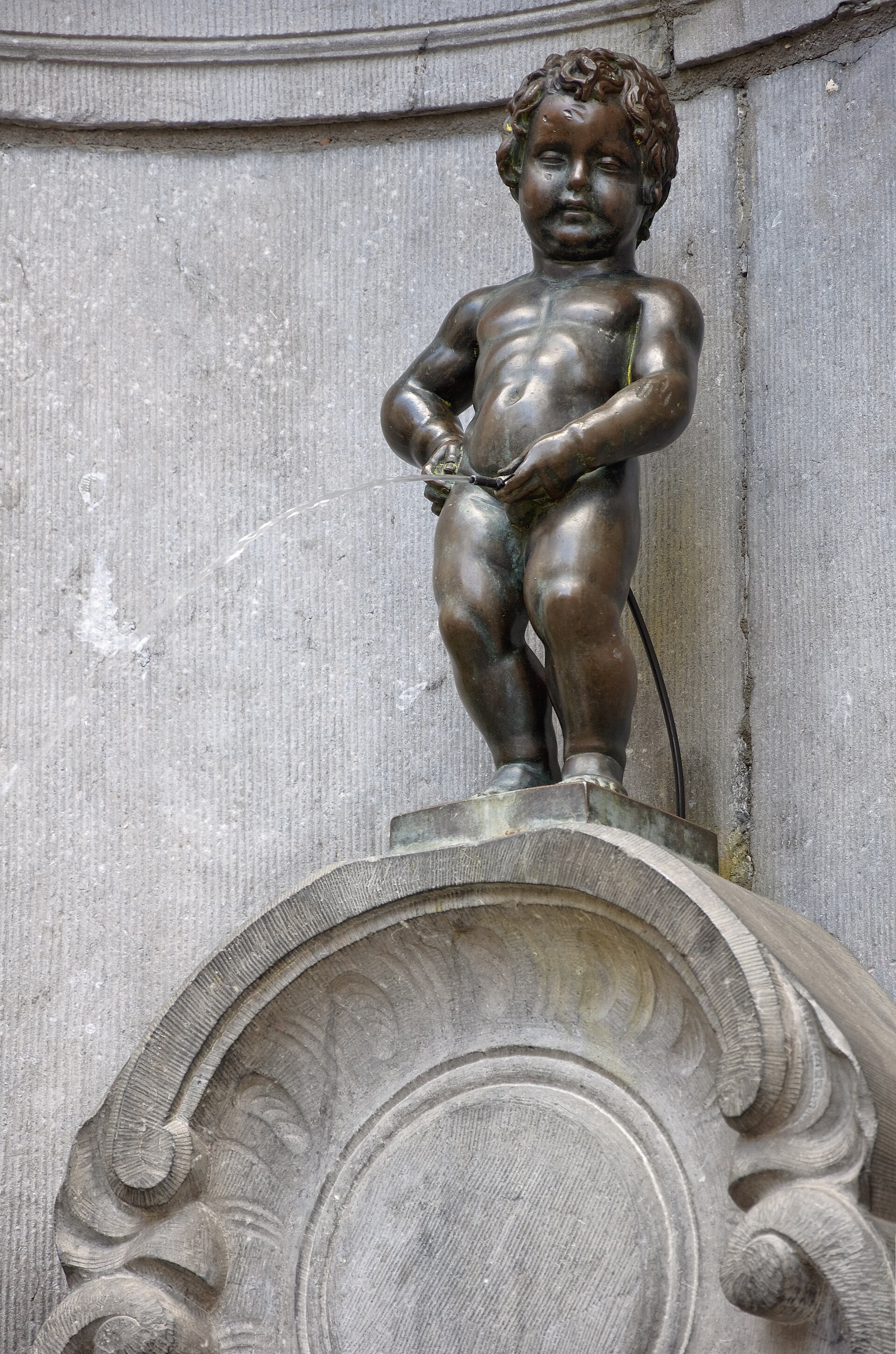 Manneken PisFree · and small
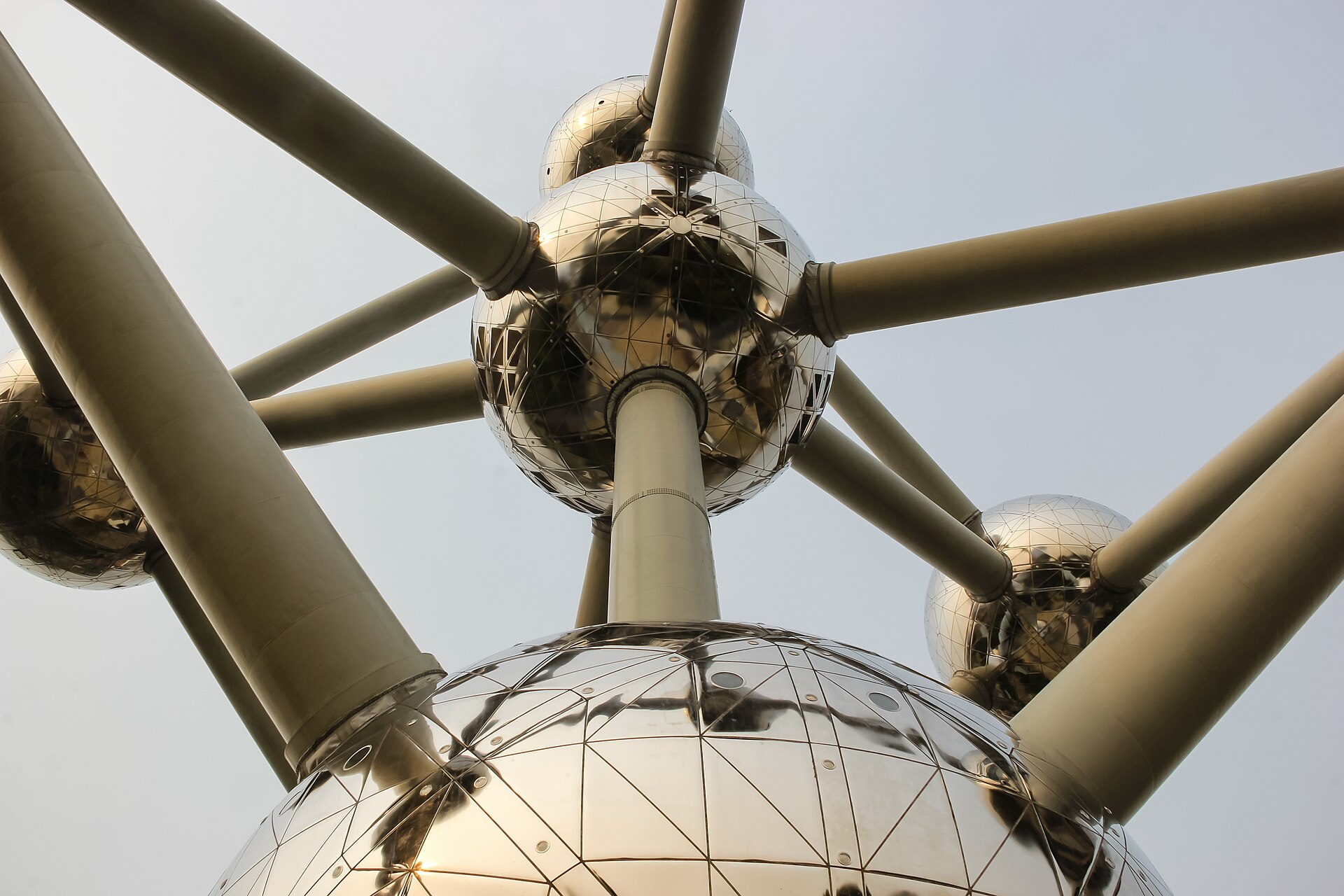 The AtomiumTicketed · give it a half-day
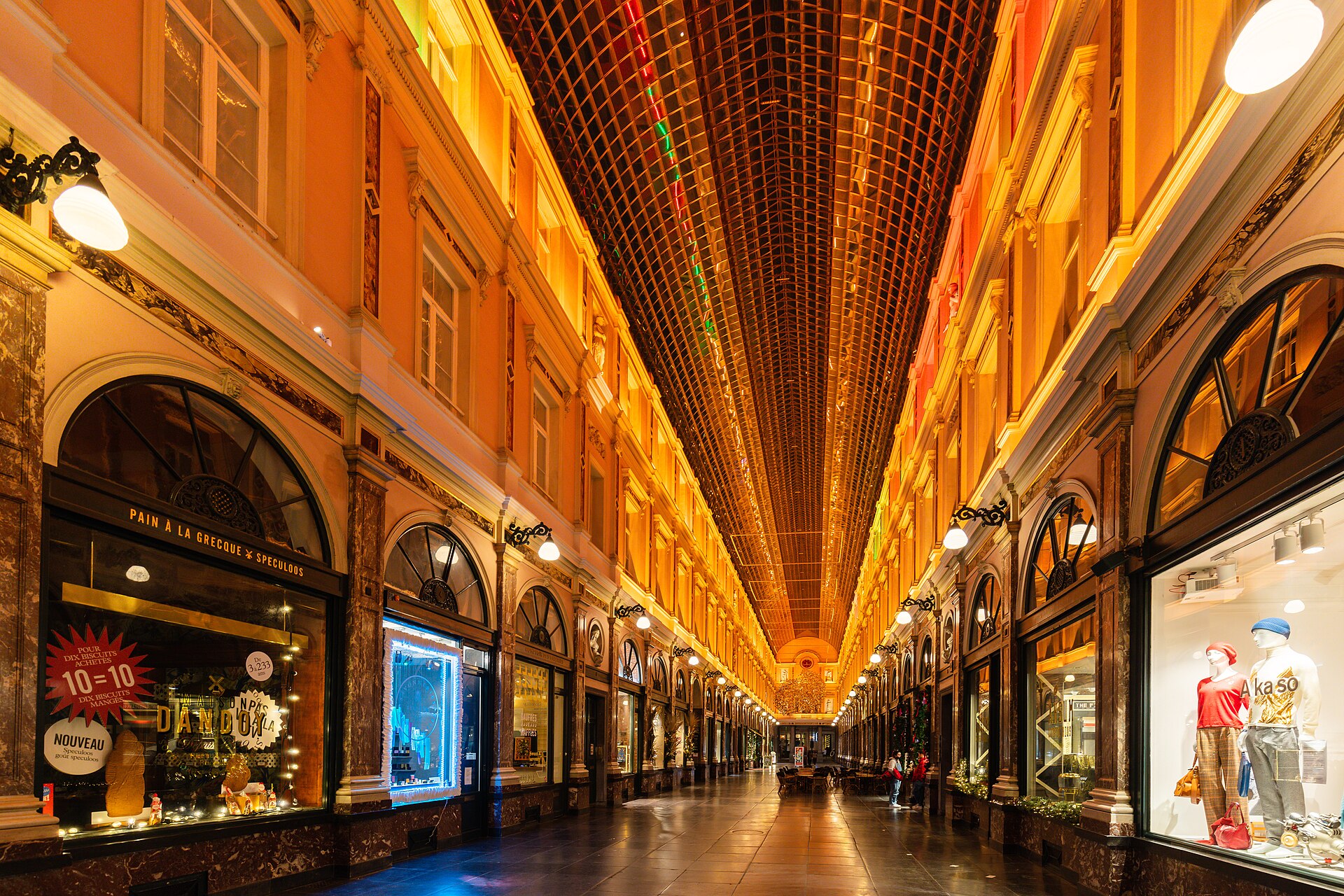 Galeries Royales Saint-HubertFree · the move in rain
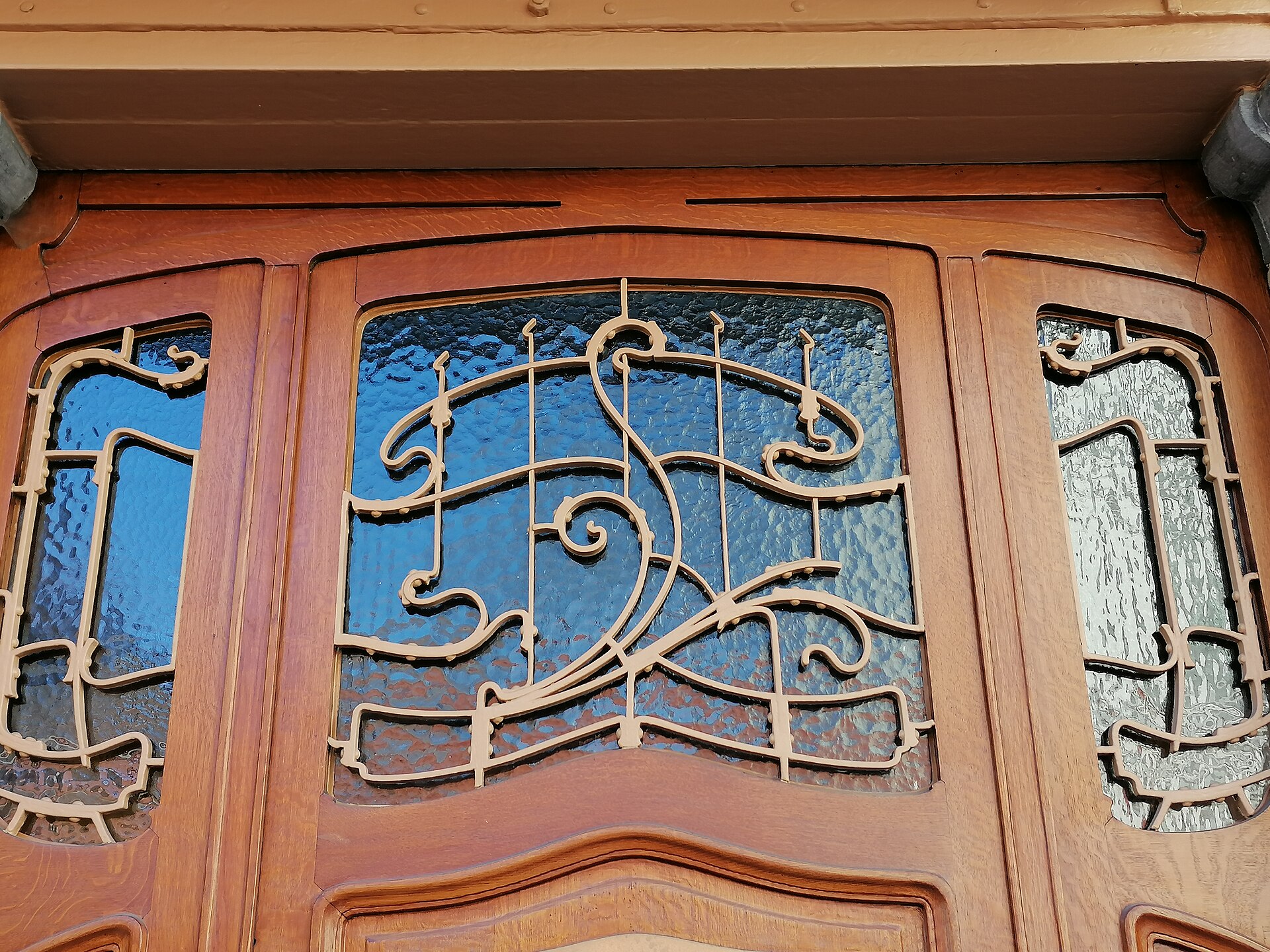 The Horta MuseumTicketed · book, and no photos
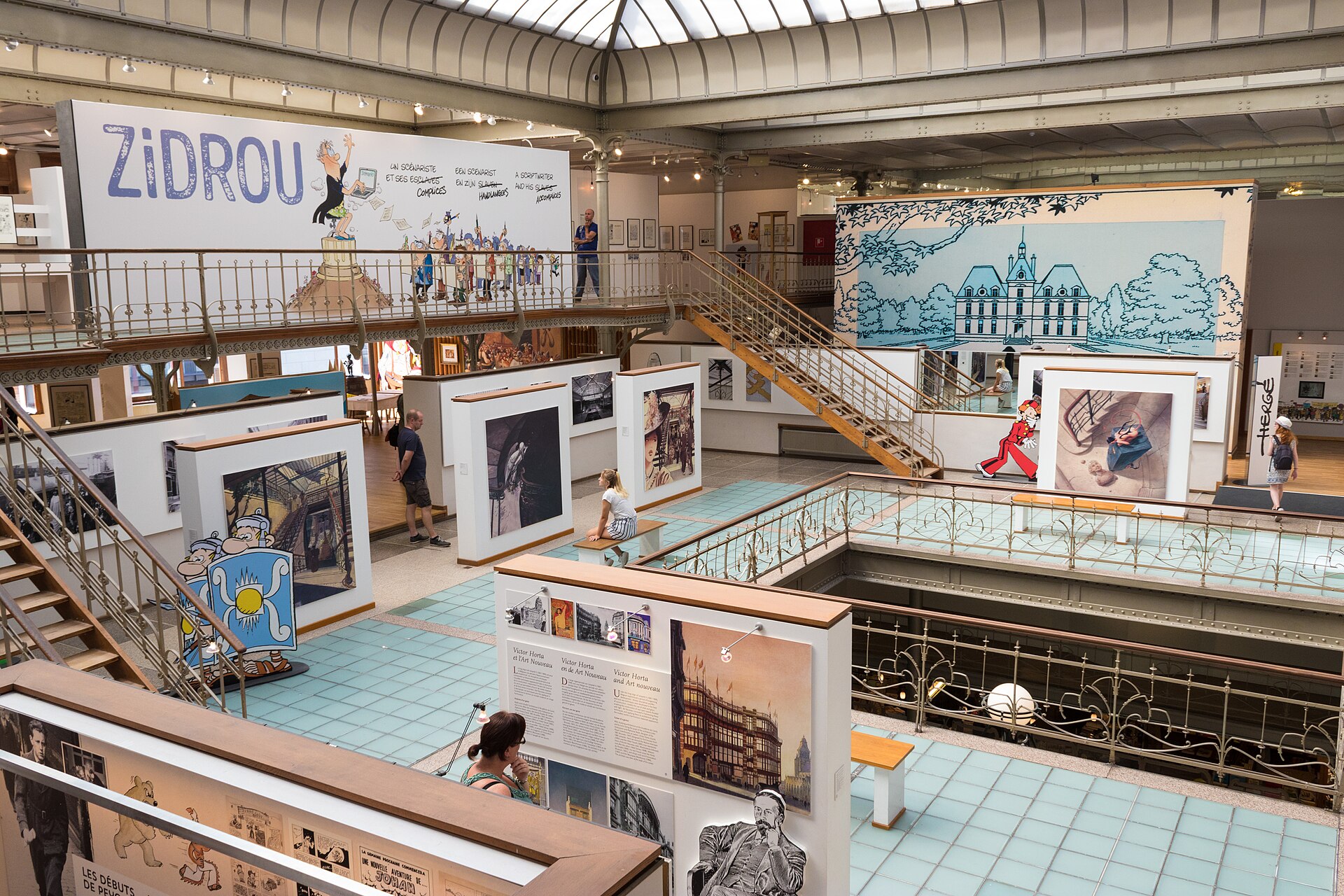 The Comics Art MuseumTicketed · the murals outside are free
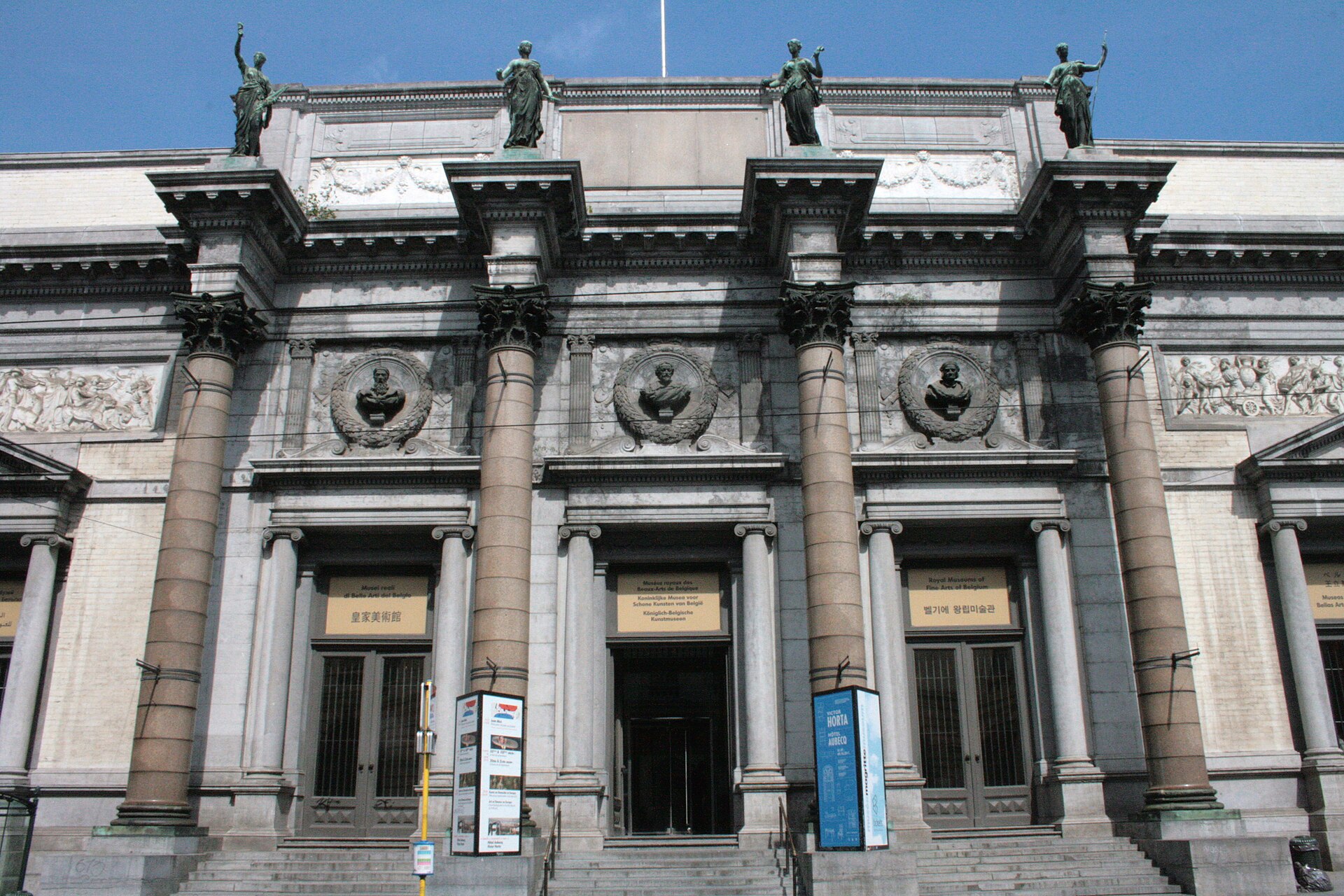 The Royal Museums of Fine ArtsTicketed · ask what it covers
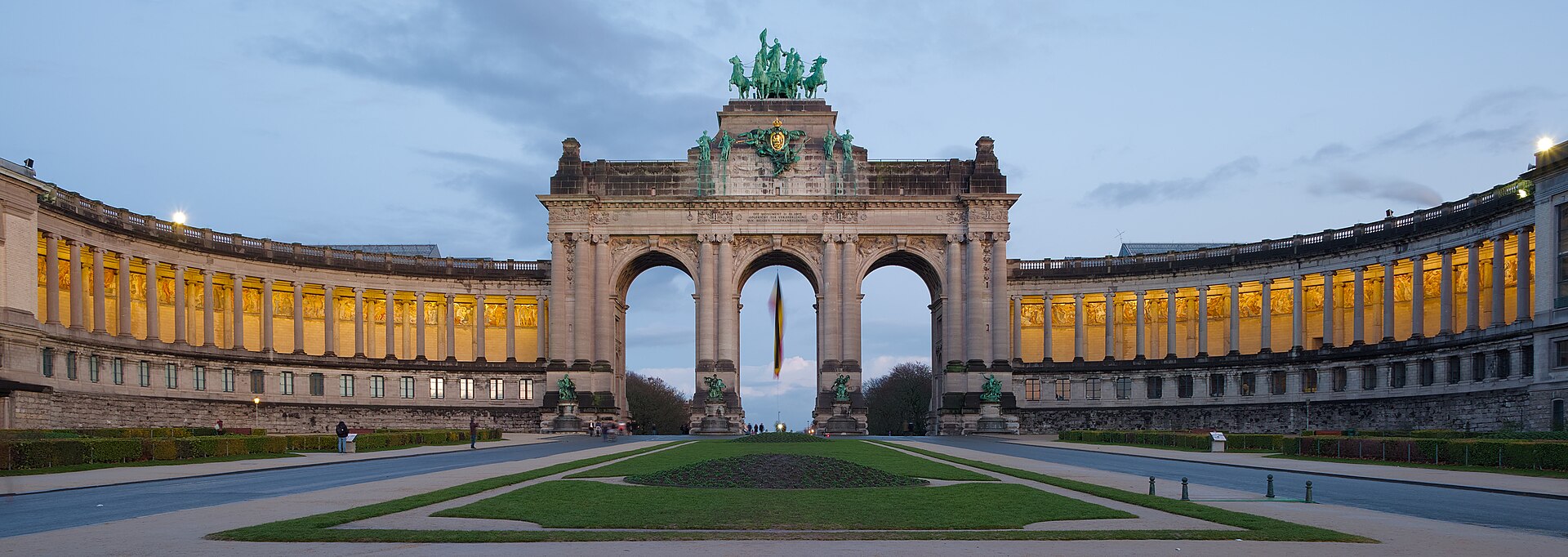 The CinquantenairePark free · 3 separate museums
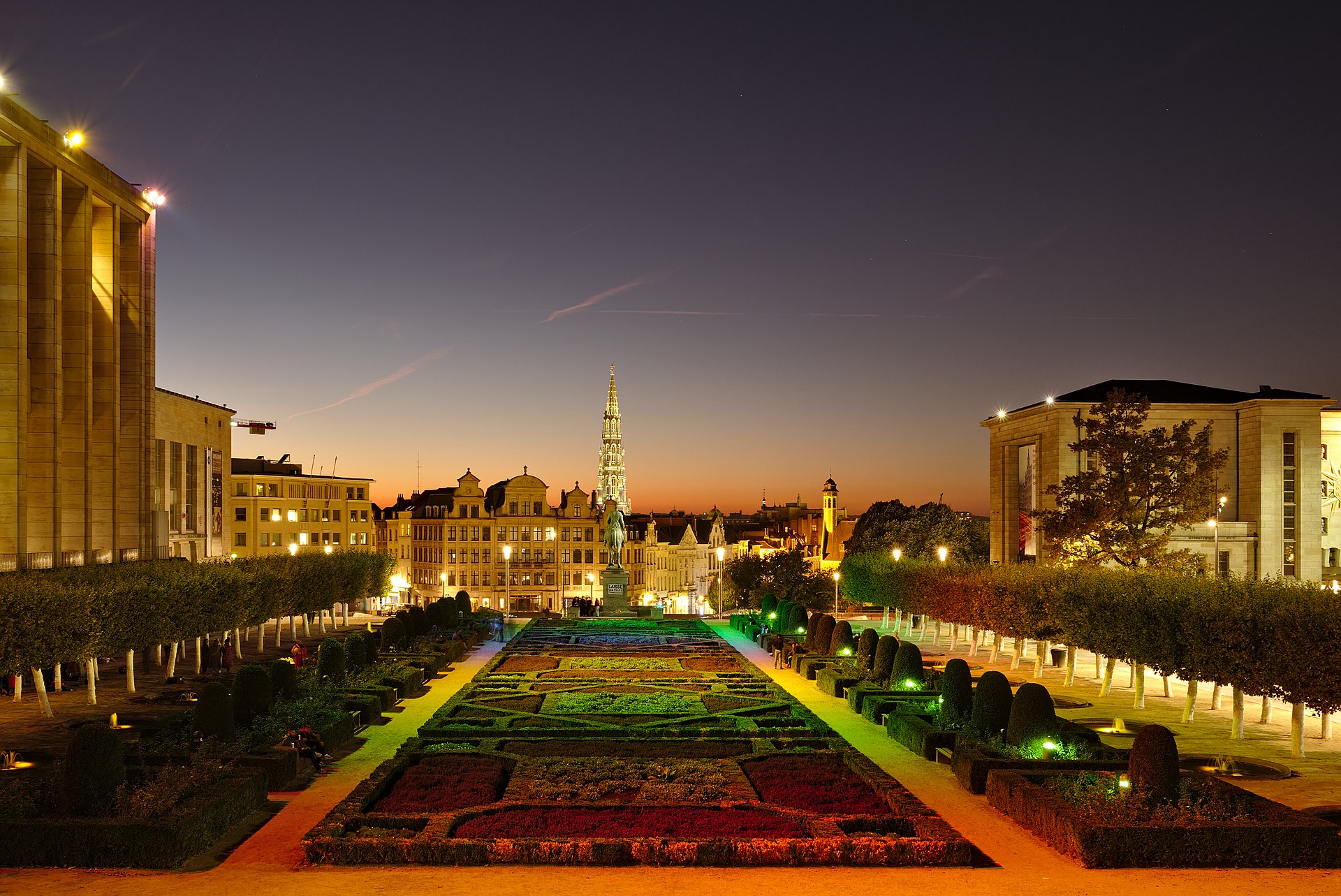 The Mont des ArtsFree · the best free view
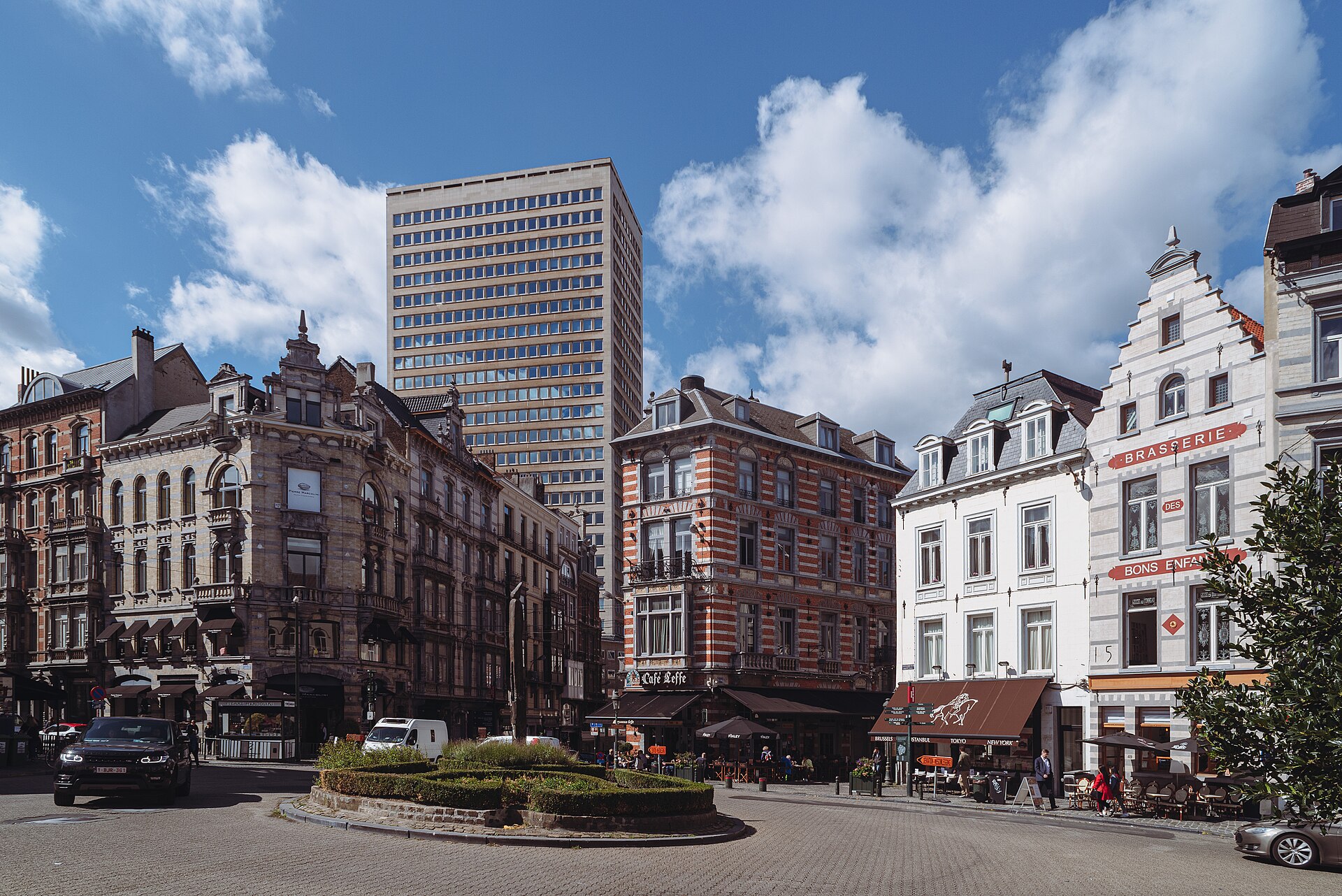 The SablonFree · antiques at the weekend
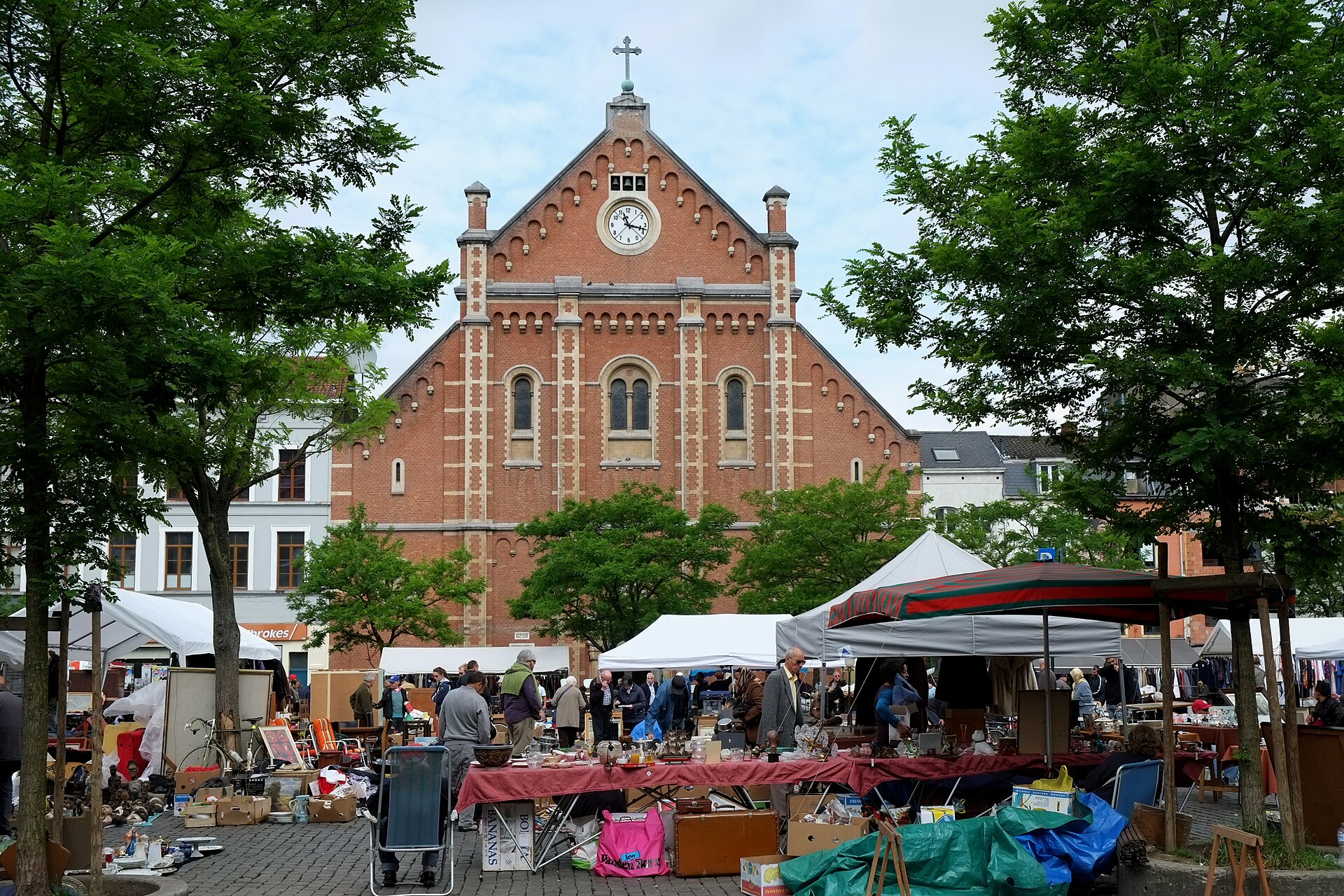 The Marolles and the Jeu de BalleFree · a market every single morning
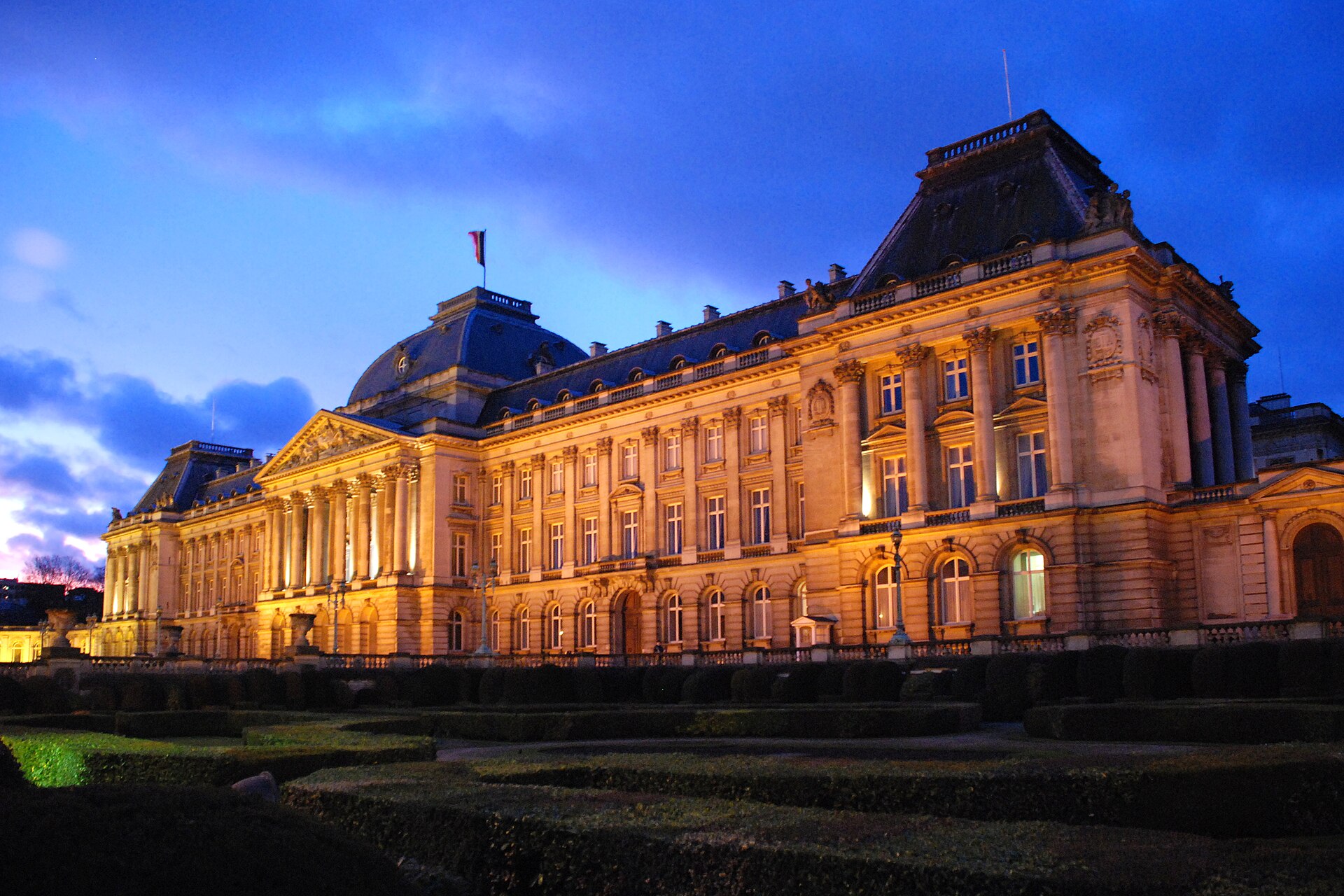 The Royal Palace and the ParkPark free · palace free for six weeks
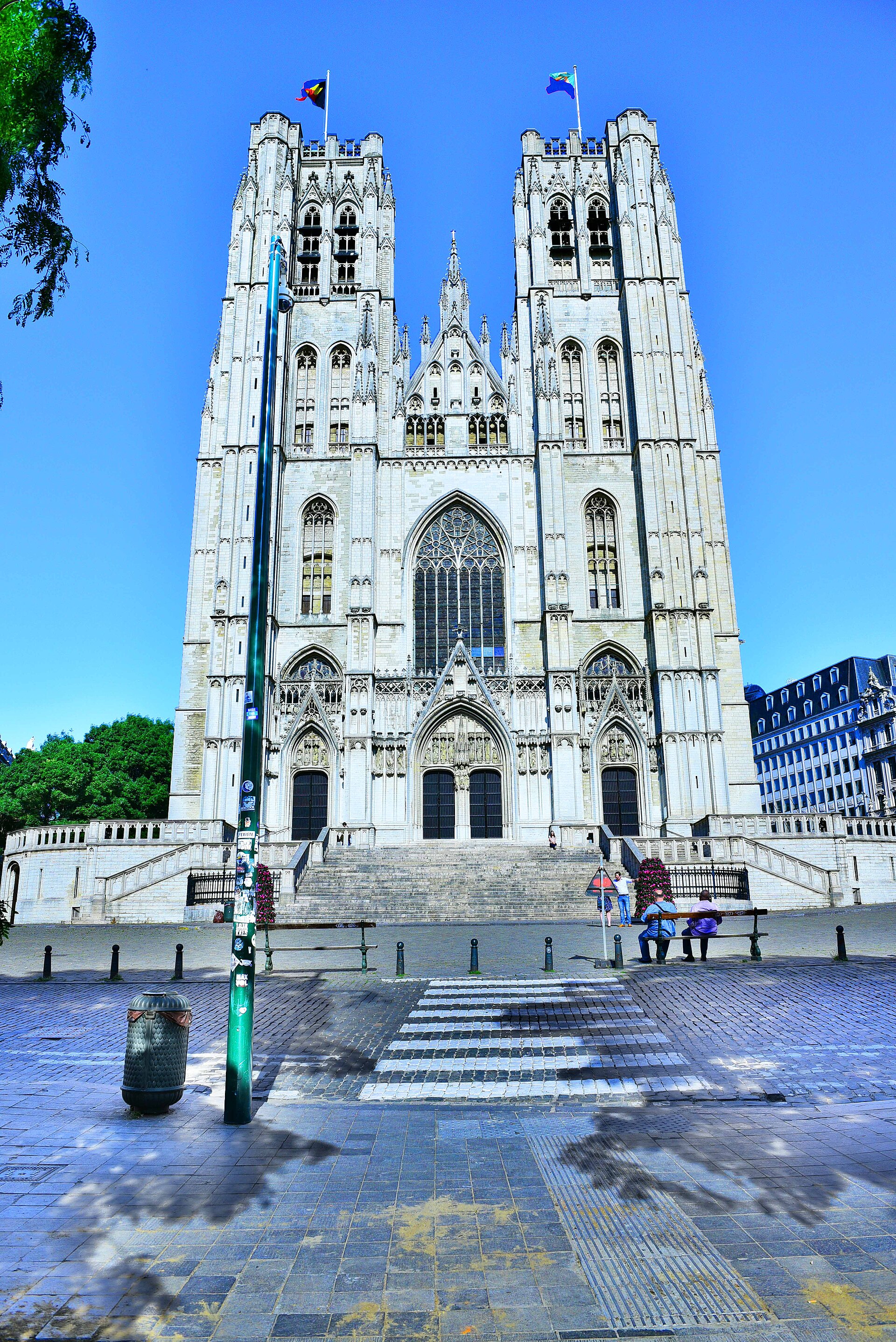 St Michael and St GudulaFree · crypt ticketed
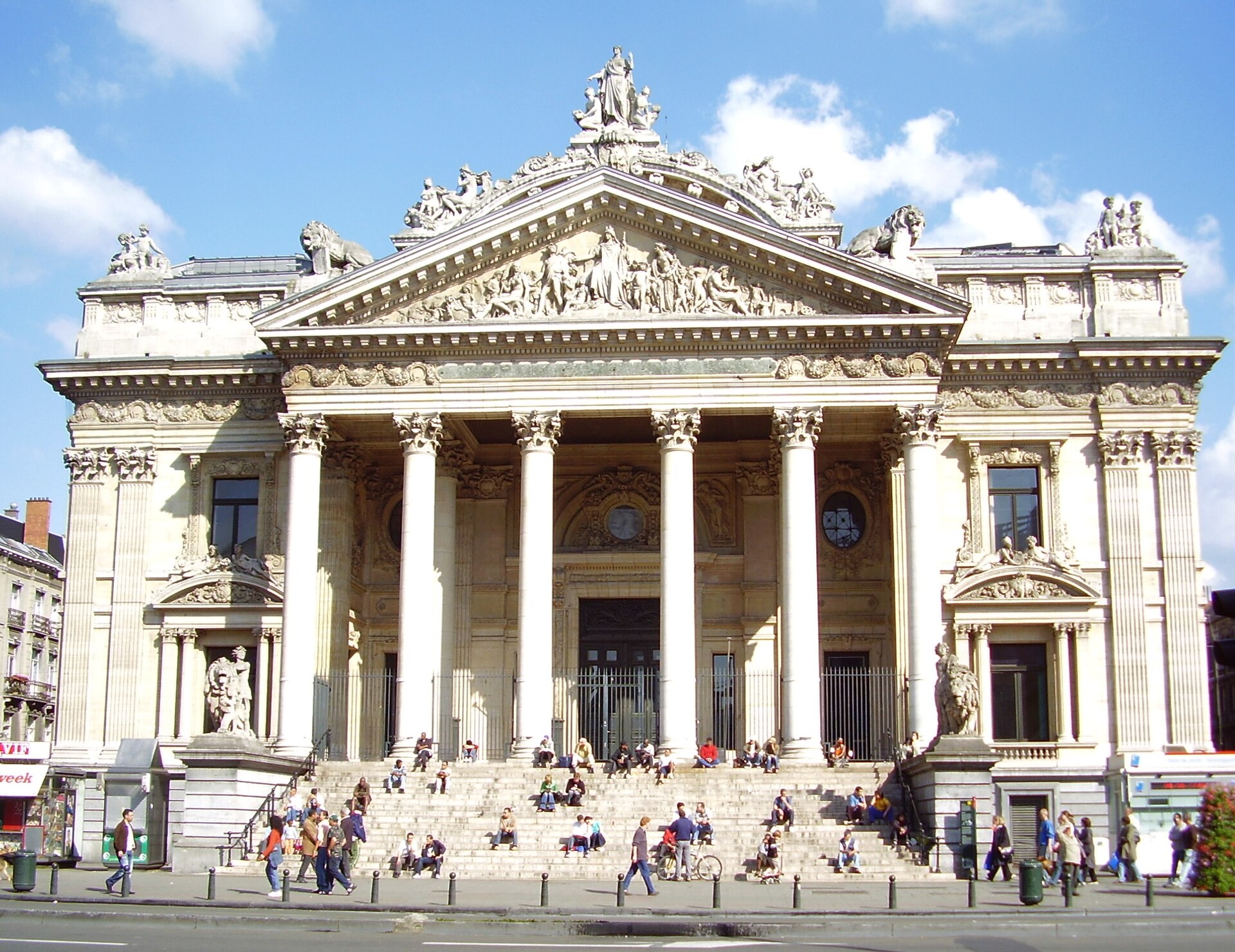 The BourseSteps free · inside is ticketed
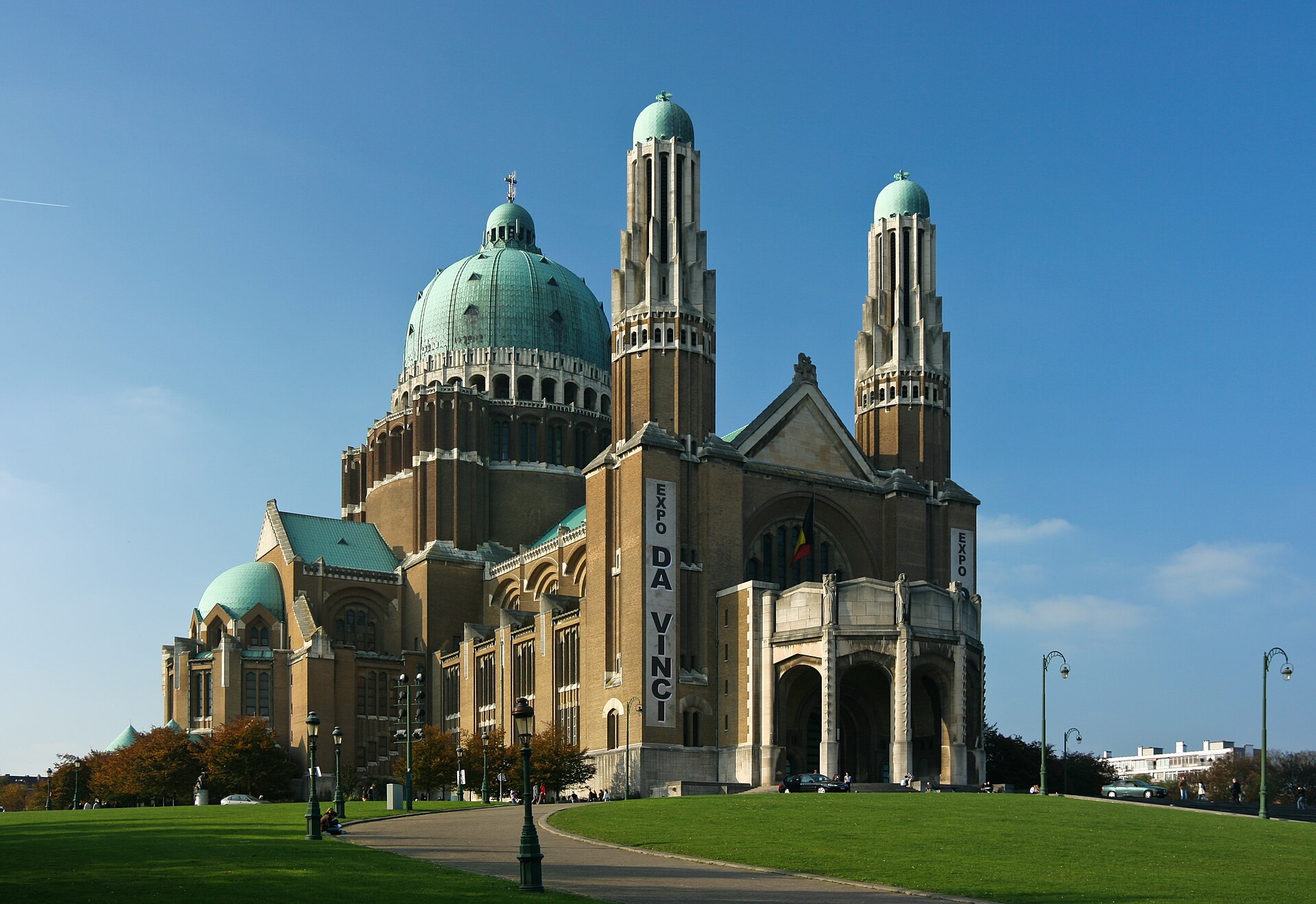 The Basilica of KoekelbergChurch free · the dome walk is not
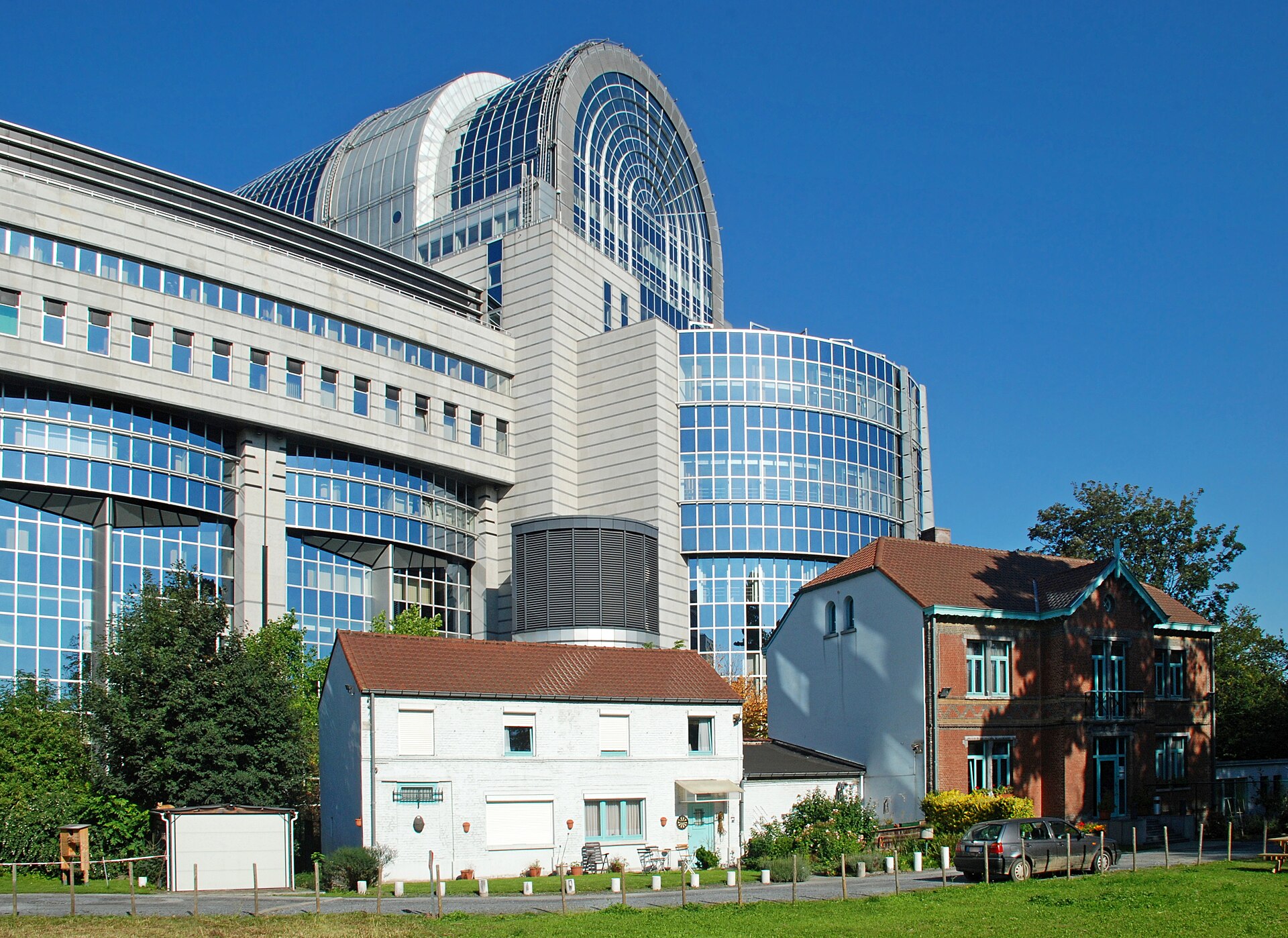 The European QuarterFree · bring photo ID