Is the Brussels Card worth it?
It depends on how many paid attractions get visited in the card’s validity window, not on how many days are spent in the city. The card is worth buying once its cost is covered by the entry fees it replaces. Below that number, it is a loss.
What does the Brussels Card actually include?
The Brussels Card is sold by visit.brussels, the region’s official tourism body, as a pass covering free or discounted entry to a fixed list of museums and attractions. Some entries are free outright. Others are discounted rather than free — a distinction that matters for the math below.
A version of the card also bundles public transport on the STIB/MIVB network for the card’s duration. That option costs more than the sightseeing-only version. Whether it is worth adding depends on how much a visitor would otherwise spend on individual metro, tram, and bus tickets, which is its own separate calculation.
How is the price structured, and what changes it?
The card is sold in duration tiers — typically 24, 48, and 72 hours — with the per-hour cost falling as duration rises. That is standard tourist-pass structure. The exact euro figures, and which attractions sit on the included list, are set by visit.brussels and revised periodically.
Do not treat a number quoted elsewhere as current. This site does not hold a live tariff feed, and a stale figure is worse than none. Confirm the current price and inclusion list on the visit.brussels site before buying.

How do you calculate your own break-even point?
The formula is simple. Break-even attractions equal card price divided by average entry fee for the attractions actually planned. Once the card price is covered, everything after is a saving.
To make this concrete, use illustrative figures rather than quoted current ones — the arithmetic is the point, not the euro amounts, which must be checked at the time of booking.
- Sample paid attraction, illustrative fee: a major art institution such as BOZAR, a design-focused museum such as Design Museum Brussels, and a landmark such as the Atomium each publish their own current adult entry fee — figures that have historically sat in a roughly €10–€20 range per site, and that a reader should check directly on each institution’s own site before relying on them.
- Illustrative average, used only for the worked example: assume an average paid entry of around €14 across a mixed day of two or three attractions.
- Worked example: if a card tier costs roughly €14 more than a single museum ticket, two attractions at that average fee already clear the card’s cost. A third attraction, or a discounted transport day, is pure surplus.
The practical rule: count the specific attractions on the trip’s actual itinerary, look up each one’s current fee on its own site, sum them, and compare that sum to the card’s published price for the matching duration. If the sum exceeds the card price, buy it. If not, buy single tickets.

Does the free-museum-days calendar cancel out the card?
Often, partly. Several Brussels museums are free on specific days or evenings, a pattern this site tracks in which Brussels museums are free, and on which days. A visitor who happens to be in the city on a free day for an institution already on their list gets that entry for nothing, card or no card.
That changes the break-even count. Any attraction that would have been free anyway should be dropped from the sum before comparing it to the card price. Padding the calculation with an already-free museum inflates the apparent case for buying the card.
The same logic applies to the calendar more broadly. A trip built around what shuts in Brussels on Mondays or timed to a quieter month via the Brussels crowd calendar may simply have fewer paid-entry days to offset in the first place.

Which kind of trip does the math favor?
Short, museum-dense visits benefit most. A single day built around three or four paid institutions, back to back, is the profile the card is designed for. A trip weighted toward outdoor sights, markets, or a single flagship museum with its own separate ticket rarely clears the threshold.
Longer stays tend to favor buying single tickets instead. Spread over a week, a visitor typically sees fewer paid attractions per card-validity window, and the discount tier no longer compounds the same way. A resident’s day out is almost never the right use case for this card — it is priced for concentrated tourist visiting, not for repeat local use.
General trip-planning logic, including how holidays and Sunday closures reshape an itinerary, is covered in Planning & Practicalities, and museum-specific opening patterns sit in Museums & Galleries.
Where to check the current price
The only authoritative source for the Brussels Card’s current tiers, inclusions, and euro prices is visit.brussels itself, which publishes and updates the official list. Individual attraction fees — BOZAR, the Design Museum, the Atomium, and others — are set independently by each institution and published on its own site.
Anyone weighing whether a Sunday visit changes the plan can also check what is open in Brussels on a Sunday before finalizing which attractions go into the break-even sum. Details on how this site sources and checks its claims are set out in how this site is written, checked and paid for.

Access Brussels is an independent guide written from published, checkable sources. We have not visited the places described here and we do not publish personal recommendations or invented ‘local favorites’ — where something is singled out as notable, we say who says so. Opening times, fares, closures and prices change at short notice, so treat everything here as a starting point and confirm with the museum, operator or venue directly before building a day around it. We give no advice on visas, insurance, health or safety; use your own government’s official guidance for those.
Any prices mentioned are indicative only. In Brussels they move with the commune, with whether a museum is running one of its free windows, and with how far you are standing from the Grand-Place. Check the current figure with the operator or the institution before you rely on it.
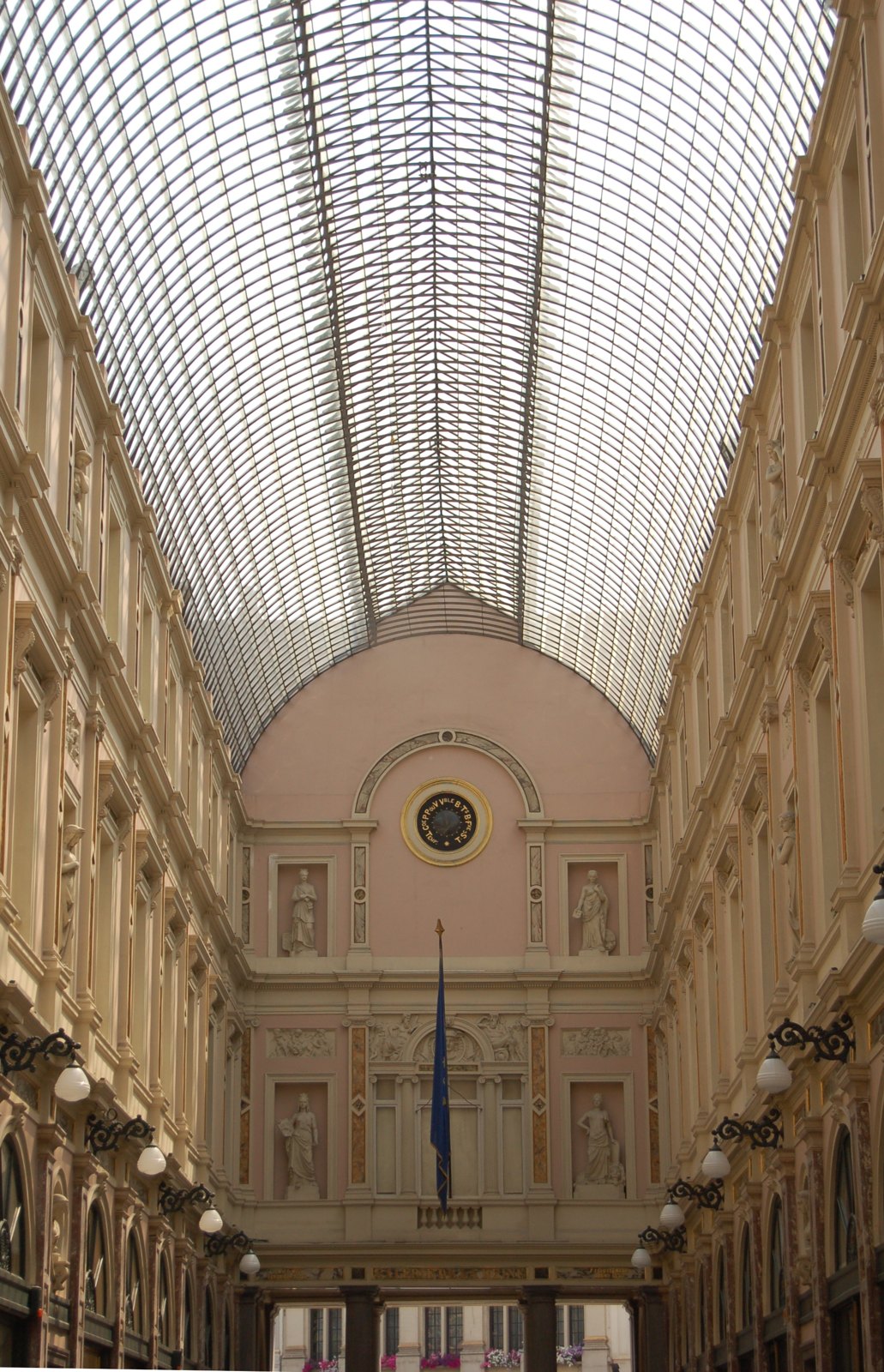
Featured image: Photo by Szilas, source, CC BY-SA 4.0
