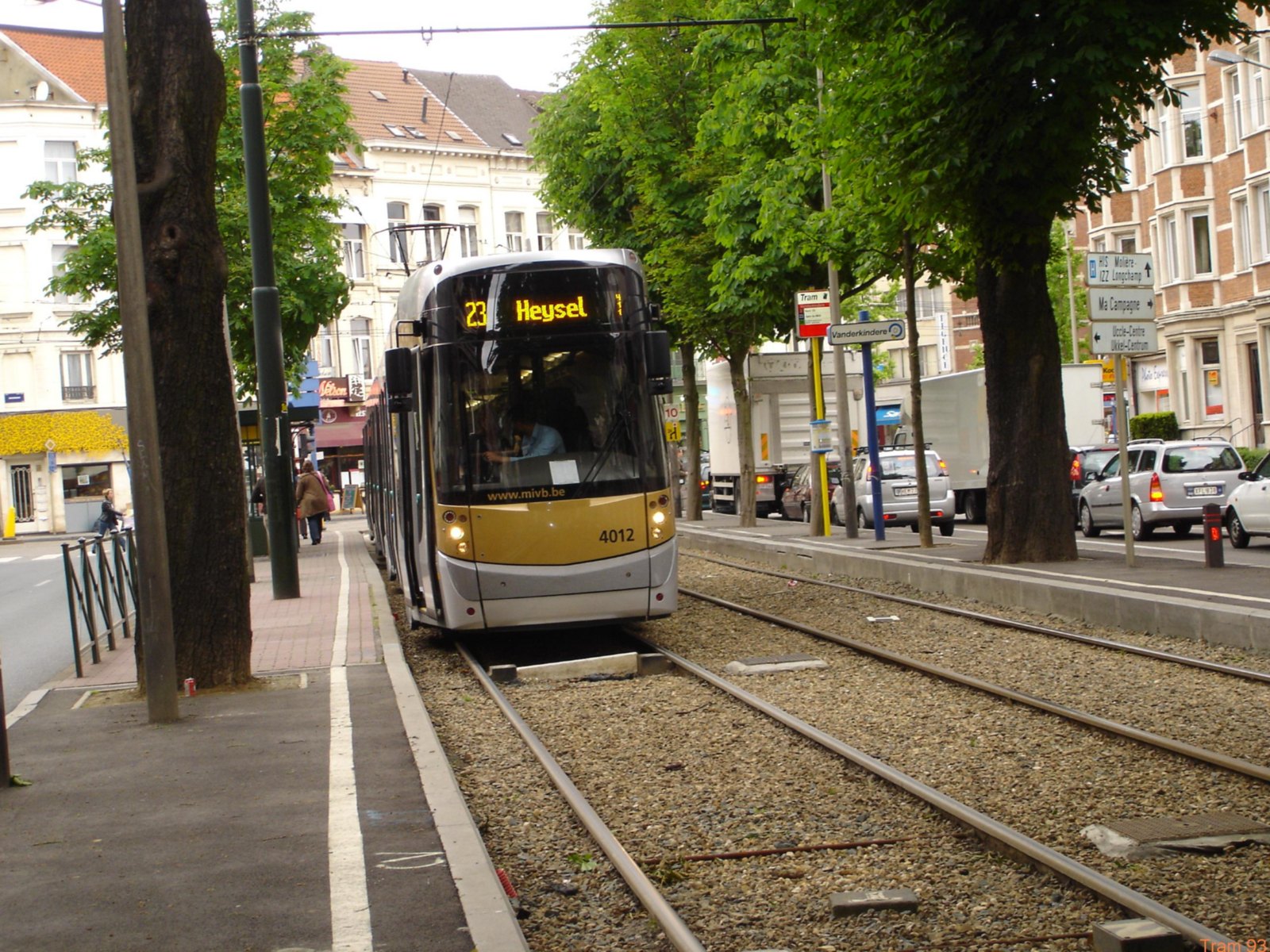
A 24, 48 or 72-hour STIB pass pays for itself once the rides taken exceed what those same rides would cost as single tickets. For most visitors that threshold is low — often four or five rides a day. An airport transfer plus two museum visits in different neighborhoods usually clears it easily. A short loop around the historic center on foot might not.
What do STIB’s 24, 48 and 72-hour passes actually cover?
They cover unlimited travel on STIB-MIVB metro, tram and bus services within the Brussels-Capital Region, starting from the moment the pass is first validated. The clock runs in hours, not calendar days. A pass bought at 6pm on Friday for 48 hours expires at 6pm on Sunday, not at midnight.
Passes are usually loaded onto a rechargeable Mobib card, sold at metro station machines and some kiosks. The underlying ticket logic — zones, validation, what a single journey actually buys — is covered in more detail in How a STIB Ticket Works, and What It Actually Covers. Fares and exact pass prices change periodically and are published only by STIB-MIVB itself, at stib-mivb.be. Anyone pricing a trip should check that page directly rather than a figure quoted elsewhere.
How many rides does a pass need to break even?
A pass breaks even at the point where pass price divided by single-ticket price equals the number of rides taken. Both figures sit on the same STIB fare page, so the calculation takes seconds once a reader has them. What matters more for planning is the pattern, not the arithmetic.
The table below sets out what a typical visitor pattern looks like against each pass length. Ride counts are illustrative, built from common itineraries rather than from current prices, which this site does not hold.
| Pass | Time window covered | Rides in a common visitor pattern | When it suits a trip |
|---|---|---|---|
| 24 hours | Exactly 24 hours from first validation | Airport or station transfer in, one museum round trip, a dinner trip back — commonly 4 to 6 rides | A single full day, arriving and leaving the same calendar day |
| 48 hours | Two full days from validation | Two museum days plus arrival and departure transfers — commonly 8 to 10 rides | The standard short break: fly or train in, two sightseeing days, leave |
| 72 hours | Three full days from validation | Three sightseeing days plus transfers — commonly 12 or more rides | A longer stay, or a trip adding a day-trip connection within the region |
Four rides a day is not a hard rule. It is what a visitor accumulates doing ordinary things: getting from a hotel to a district, crossing town for a second museum, going back for dinner. Most passes clear that bar without effort.
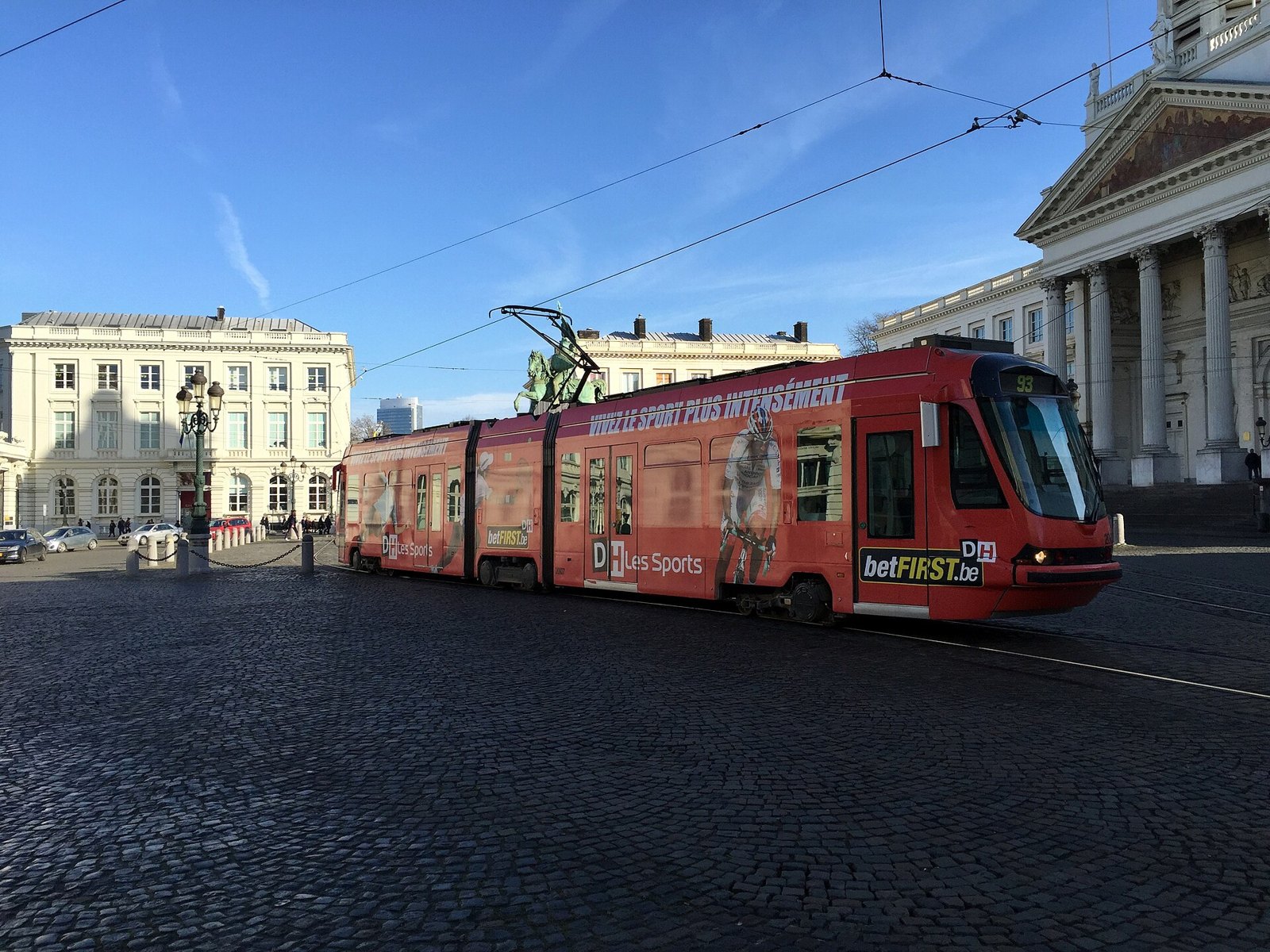
What’s the decision rule for a typical visit?
Match the pass to hours on the ground, not to days on a calendar. A 48-hour pass validated on arrival afternoon covers two full sightseeing days and still has hours left for an evening departure. Buying a 72-hour pass for that same trip adds a third day of coverage that goes unused.
Airport arrival plus two museum days is the clearest case for the 48-hour pass, not the 72-hour one. The extra 24 hours only earns its cost if there is a genuine third day of travel — a day trip, an extra district, a late flight the next morning.
The reverse case matters too. A visitor spending one day in the center, with a late afternoon flight, rarely needs even the 24-hour pass. A handful of single tickets, or a 10-journey Mobib card, usually costs less for three or four rides total.
Planning around museum closures affects which pass actually gets used in full. Most Brussels museums close on Monday, a pattern explained in What Shuts in Brussels on Mondays, and How to Plan Around It. A 72-hour pass bought to span a Monday wastes a chunk of its own value if the day’s plan was two museums that turn out to be shut.
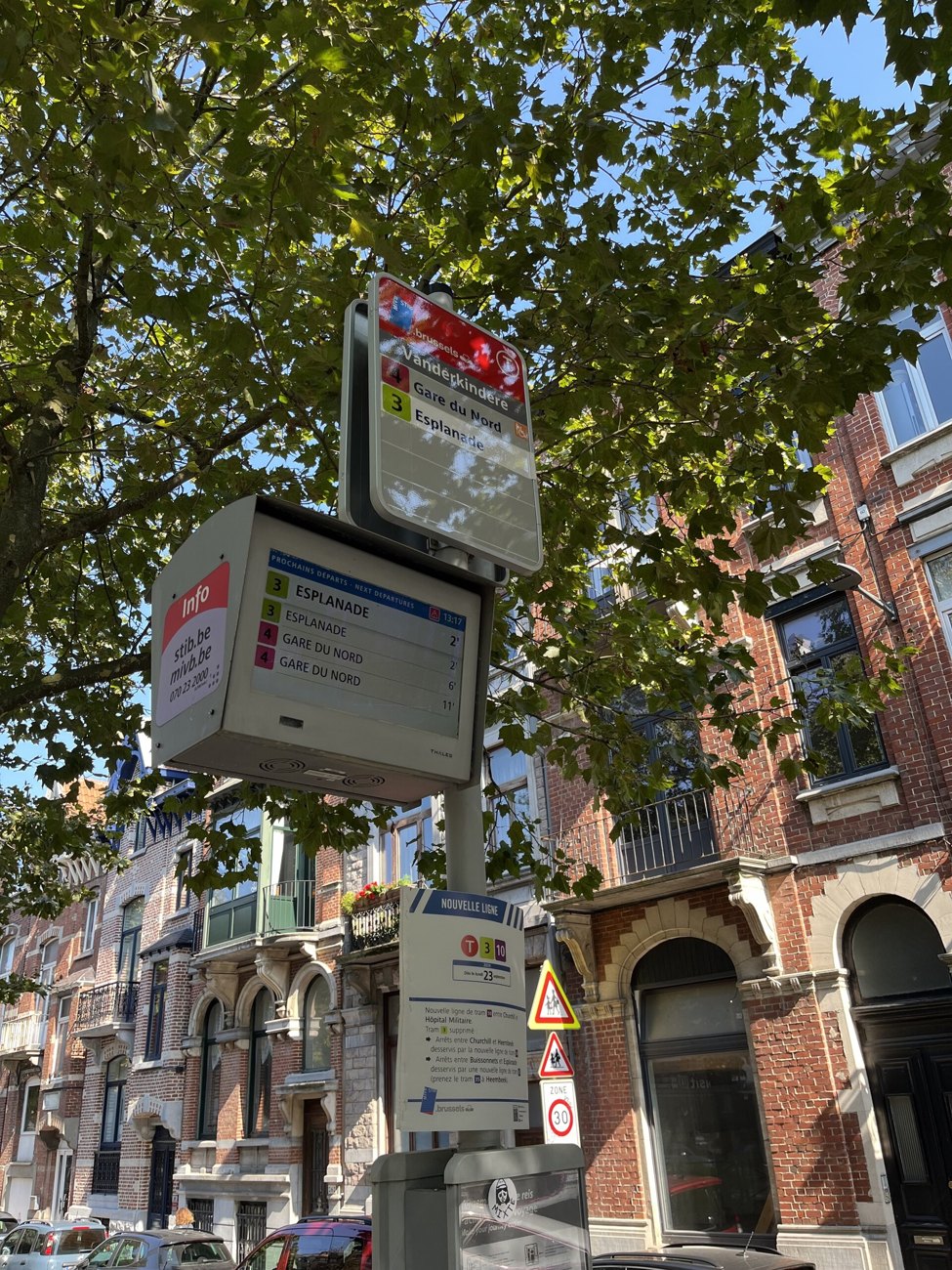

Does the Brussels Card replace a transport pass?
For its own duration, yes. The Brussels Card already includes unlimited STIB travel alongside museum admissions, according to its own published terms at brusselscard.be. Buying a separate STIB pass on top of it for the same days pays for transport twice.
The two products solve different problems. A STIB pass is purely transit. The Brussels Card bundles transit with a set of museum entries, and is worth comparing against a pass plus individual admissions using the method set out in Is the Brussels Card Worth It? A Break-Even Calculator. A visitor planning three or more paid museums on card days usually comes out ahead with the card alone. A visitor planning mostly free museums, listed in Which Brussels Museums Are Free, and On Which Days, often does better with a plain transport pass and no card at all.
Does a short trip need a pass at all?
Not always. Single tickets and short-ride Mobib loads exist precisely for visits that stay under the ride count a pass needs to earn back its cost. A two-ride day — hotel to center, center to hotel — is cheaper on single fares almost every time.
The judgment call sits at the edge: three or four rides in a day. That is exactly where it is worth pulling up STIB’s own fare page and doing the division rather than guessing. The gap between a pass and a stack of singles narrows fast once a fourth ride enters the plan.
Visitors arriving with heavy luggage sometimes add an unplanned ride before a pass window even starts, dropping bags at a station locker rather than hauling them to a museum. That changes the day’s ride count, covered separately in Left Luggage in Brussels: Stations, Lockers, Alternatives.
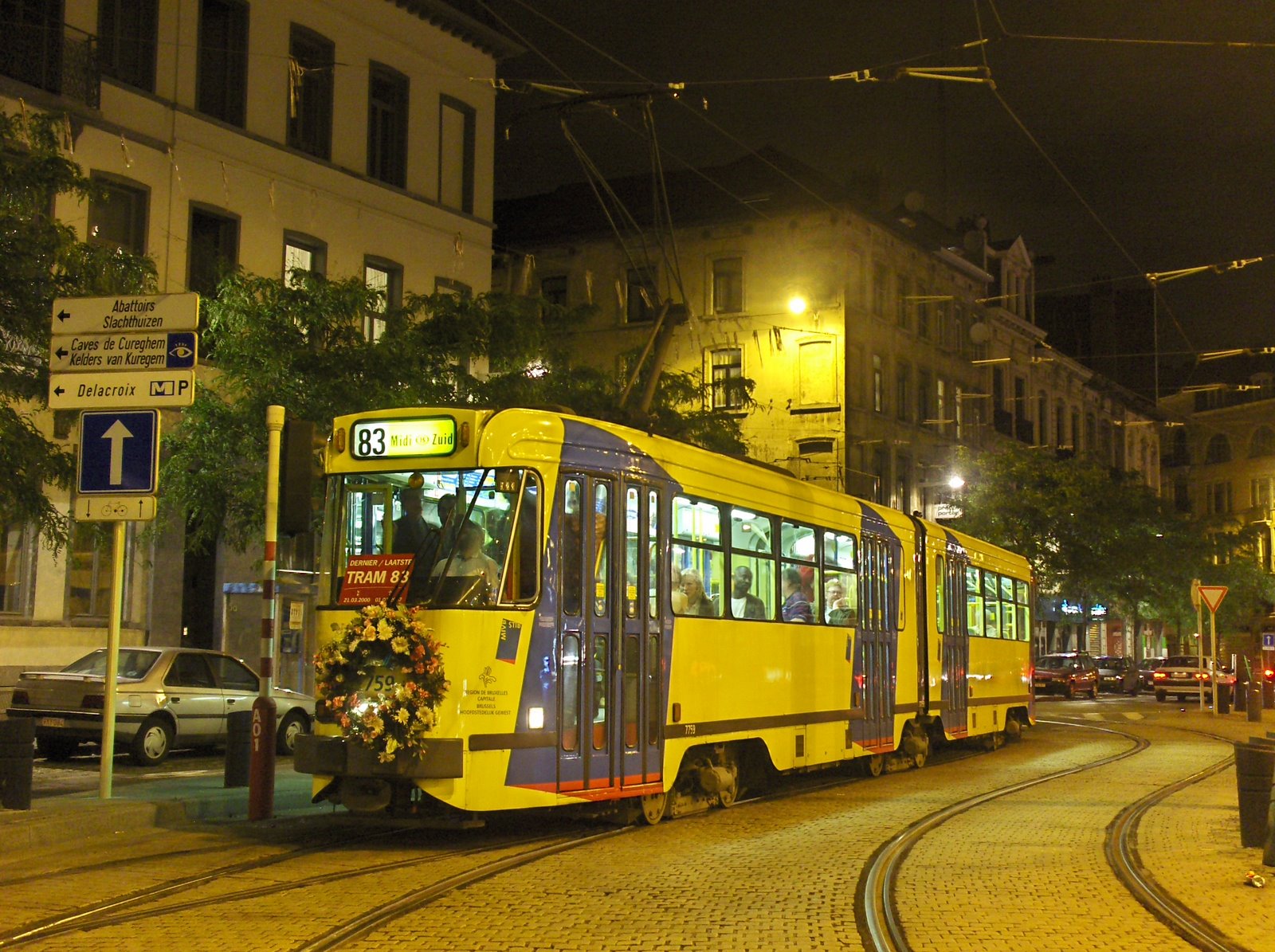

What else shapes the choice?
Group size matters. A pass is priced per person; a family of four buying four 48-hour passes is comparing against four sets of single tickets, and the math scales linearly either way. There is no group discount built into the pass structure itself, as far as STIB’s own published fares show.
Trip shape matters too. A visit built around one neighborhood, walked on foot with the occasional tram, needs far fewer rides than one that bounces between the European Quarter, the city center and Ixelles / Elsene in a single day. Broader transport context, including how metro lines and tram routes connect those areas, sits in the Getting Around archive, and general trip-sequencing advice is covered in Planning & Practicalities.
None of this replaces checking the actual numbers. Fares move, and a pass that cleared its break-even point eight months ago might not clear it today. STIB-MIVB publishes current fares on its own site, and that is the only place a reader should take a figure from before buying.
Access Brussels is an independent guide written from published, checkable sources. We have not visited the places described here and we do not publish personal recommendations or invented ‘local favorites’ — where something is singled out as notable, we say who says so. Opening times, fares, closures and prices change at short notice, so treat everything here as a starting point and confirm with the museum, operator or venue directly before building a day around it. We give no advice on visas, insurance, health or safety; use your own government’s official guidance for those.
Featured image: Photo by Tram93, source, CC BY-SA 4.0
